For the latest on Thailand Medical Industry, Thailand Doctors, Thailand Medical Research, Thailand Hospitals, Thailand Wellness Initiatives and the latest Medical News
A section specially dedicated to Long COVID or PASC ie Post-acute Sequelae of COVID-19. The section on Long COVID will cover all the latest research and developments about Long COVID or PASC and also provide guidelines to all long haulers about the new treatment protocols and therapeutics available for long COVID or Post-acute Sequelae of COVID-19 (PASC). Long COVID is expected to become a major h...
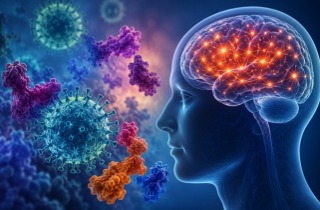
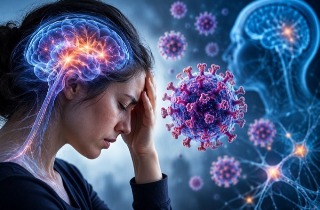
Scientists have identified a group of antiviral proteins produced during acute respiratory infections that may influence whether patients later develop persistent neurocognitive problems associated with Long COVID.
Strong antiviral protein responses during acute COVID-19 may reduce the risk of persistent neurocognitive symptoms
including brain fog
The findings suggest that the stren...
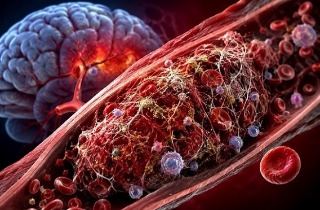
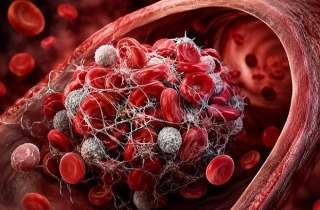
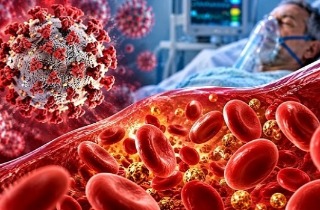
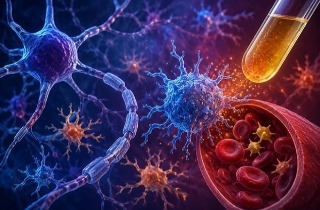
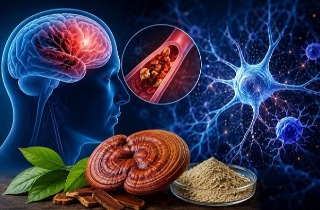
Researchers have uncovered a potentially important mechanism behind the abnormal blood clotting associated with COVID-19, finding unusually high levels of cell-free hemoglobin and iron inside cerebral blood clots removed from stroke patients infected during the pre-Omicron period.
Cell-Free Hemoglobin and Iron May Drive COVID-19 Stroke Clots
The findings suggest that damage to red blood ce...
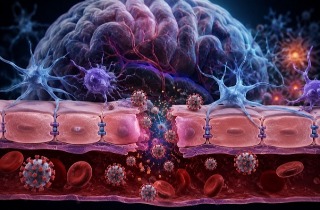
A new laboratory study suggests that SARS-CoV-2 may damage the blood-brain barrier even when the virus does not actively infect the cells forming this crucial protective boundary. The findings could help explain how inflammation contributes to neurological problems during and after COVID-19.
SARS-CoV-2 spike protein disrupted a human blood-brain barrier model and triggered inflammation even
with...
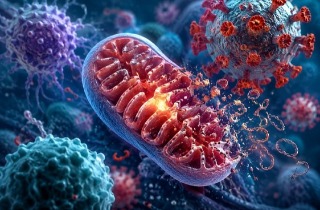
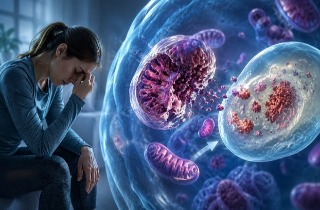
A new scientific review suggests that damage to mitochondria—the structures that generate most of a cell’s usable energy—could be an important link between SARS-CoV-2 infection and the persistent fatigue, muscle weakness, cardiovascular problems, and neurological symptoms seen in post-COVID-19 condition, commonly called Long COVID.
Mitochondrial dysfunction may help explain the...
Distinct Immune Responses Emerge Early
A new multicohort study has uncovered striking differences in antibody responses to human herpesvirus 6 (HHV-6) during and shortly after SARS-CoV-2 infection, potentially offering new clues to why some people develop long COVID while others recover.
Distinct early HHV-6 IgA and IgG antibody patterns may help explain biological differences among people w...
Scientists are drawing growing attention to microscopic packages released by human cells that could help explain why inflammation, fatigue, vascular problems, and neurological symptoms can persist long after an acute SARS-CoV-2 infection has ended.
Tiny extracellular vesicles carrying protected viral and inflammatory cargo may help sustain several biological processes
associated with long CO...
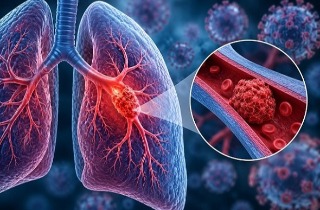
COVID-19 is widely associated with pneumonia, respiratory distress, and lung injury, but mounting pathological and clinical evidence shows that SARS-CoV-2 can also seriously affect the spleen. This often-overlooked organ can undergo immune-cell depletion, structural deterioration, vascular injury, and potentially devastating infarction.
COVID-19 can quietly damage the spleen through immune-ce...
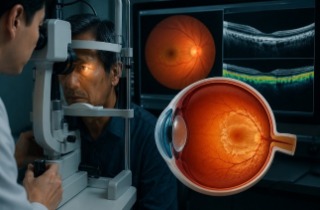
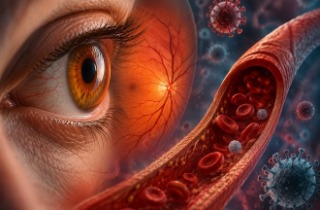
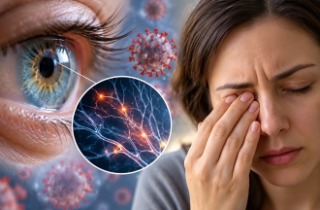
Thai medical researchers have reported an unusual case of a rare retinal disorder developing after COVID-19 infection, raising questions about whether infection could potentially trigger certain eye problems in susceptible people.
Thai researchers reported an unusual case of rare retinal disease developing after COVID-19 infection
Rare Eye Disease Appeared After COVID-19
The conditi...
Study Examines Children with Previous SARS-CoV-2 Infection
A new study involving 260 hospitalized children with evidence of previous SARS-CoV-2 infection has revealed notable differences in vitamin D levels, body weight, inflammation, blood markers, and lifestyle habits.
Children with previous COVID-19 showed substantial differences in vitamin D, body weight, inflammation, and other
nutriti...
Higher levels of COVID-19 circulating in communities may be followed by a measurable rise in serious blood clots in the lungs, with the strongest increase appearing about three weeks later, according to a large population study from Ontario, Canada.
COVID-19 activity was associated with increased pulmonary embolism hospitalizations, with the strongest risk
appearing around three weeks later
...
Long COVID may be creating a substantial pain burden among young adults, with new research finding that about four in ten nursing students with the condition experienced pain months after their initial COVID-19 infection.
New research finds pain affects about four in ten young nursing students with Long COVID, with headaches, fatigue, and gastrointestinal problems standing out
The st...
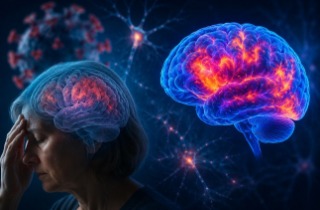
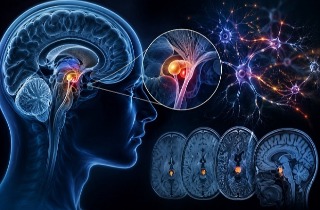
A new case report has documented unusual differences in brain perfusion in a woman experiencing persistent brain fog, dizziness, vertigo, and balance problems following COVID-19, raising further questions about how Long COVID may affect brain function even when conventional examinations provide few answers.
Brain SPECT imaging revealed a mixed pattern of relative perfusion differences in a pa...
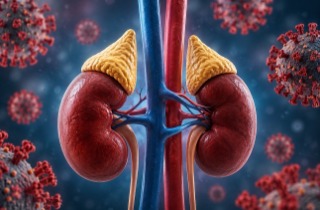
A new systematic review suggests COVID-19 can be followed by adrenal insufficiency in people who had no previous adrenal disease. The condition can potentially become life-threatening because the body does not produce enough cortisol, a hormone essential for maintaining blood pressure and helping the body respond to physical stress.
A systematic review suggests COVID-19 may rarely be followed...
A new study has found striking evidence that people with Long COVID may continue to have unusually fast blood-clotting activity alongside increased numbers of abnormal microclot complexes and platelet-related material in their plasma.
New research links Long COVID with faster blood clotting, increased amyloid-like microclot complexes, and elevated
platelet-associated material.
The researc...
COVID 19 Detection Rate Climbs Rapidly
South Korea is facing growing concerns over a possible COVID-19 resurgence as national respiratory surveillance shows a sharp increase in coronavirus detections.
Rising COVID-19 detections and hospitalizations are fueling concerns that South Korea could be heading toward
another coronavirus resurgence
According to Korea Disease Control and Prevention Agenc...
Long COVID could cause measurable changes in brain circuitry while contributing to persistent memory problems, poor concentration, fatigue, anxiety, and depression, according to a new scientific editorial examining seven studies on the neurological and psychiatric consequences of COVID-19.
Long COVID research reveals changes in brain circuitry alongside measurable memory, attention, anxiety, ...
A new Italian study has found that severe COVID-19 is closely associated with major changes in inflammation and the way the body handles iron, potentially offering scientists a clearer picture of why some patients become critically ill.
The research involved 144 hospitalized COVID-19 patients and 139 COVID-19-negative vaccinated controls. Patients were divided into four groups, ranging from those...
Scientists investigating long COVID have identified a distinctive pattern of tiny gene-regulating molecules in the blood that may help explain why symptoms continue long after the initial coronavirus infection has ended.
Scientists found major differences in blood microRNAs that could provide new clues to the biological processes
driving persistent long COVID symptoms
The study exam...
COVID-19 is best known as a respiratory infection, but a new literature review suggests the disease is also be linked to subtle changes in the tiny blood vessels supplying the retina and choroid in children. The review also examined multisystem inflammatory syndrome in children, or MIS-C, an inflammatory condition that can develop after SARS-CoV-2 infection.
Advanced eye imaging suggests COVI...
COVID-19 is best known as a respiratory illness, but its effects can extend well beyond the lungs. Research suggests that severe infection can interfere with antidiuretic hormone (ADH), also called arginine vasopressin, potentially disturbing the body's careful control of water and sodium.
COVID-19 may disrupt ADH activity and sodium balance, contributing to hyponatremia and potentially seri...
A new study of older adults with neurologic long COVID has uncovered unusual changes in immune cells that may help explain why some people continue to experience brain fog months after infection.
Neurologic long COVID was linked to mitochondrial stress and disrupted coordination between key immune cells involved
in cognition
Neuro-PASC, the neurologic form of post-acute sequelae of SARS-C...
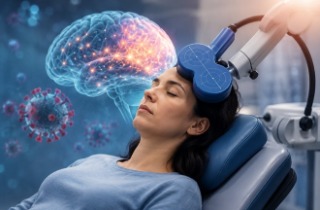
A form of magnetic brain stimulation used to treat major depression may be considerably less effective in people whose depression developed alongside Long COVID, according to a new study comparing treatment outcomes in carefully matched patients.
Long COVID-related depression showed substantially lower improvement and remission following magnetic brain stimulation than conventional major depr...
A new animal study suggests that the SARS-CoV-2 S1 spike protein can produce prolonged inflammation in the brain while reducing voluntary physical activity and disrupting normal daily activity patterns. Intriguingly, access to voluntary exercise appeared to prevent several persistent inflammatory changes.
SARS-CoV-2 S1 triggered prolonged brain inflammation and disrupted activity in rats, whi...
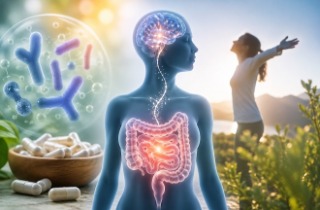
A six-week course of specially selected probiotic bacteria may substantially reduce anxiety and depressive symptoms in people struggling with post-COVID syndrome, according to a new randomized clinical trial. The findings add to growing evidence that changes in the gut may influence mental health through the gut-brain connection.
A clinical trial found that six weeks of targeted psychobiotic ...
Researchers have uncovered striking changes in the tiny blood vessels of people with post-COVID-19 syndrome, commonly called Long COVID, suggesting that vascular problems can persist long after the original infection. The abnormalities were particularly pronounced among patients who also met the criteria for myalgic encephalomyelitis/chronic fatigue syndrome (ME/CFS).
Long COVID patients show...
A new study has revealed how the COVID-19 pandemic may have reshaped the circumstances surrounding Clostridioides difficile infection (CDI), a potentially dangerous intestinal infection commonly affecting hospitalized patients.
Researchers found that COVID-19 reshaped medication exposures and infection patterns surrounding C. difficile,
without independently increasing 90-day mortality.
I...
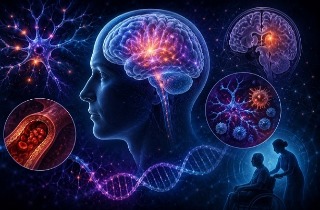
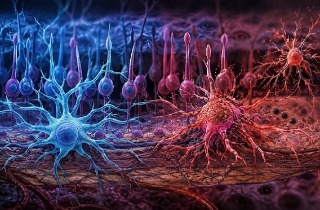
Scientists are gaining a clearer picture of why the brain and central nervous system deteriorate in conditions ranging from stroke and Parkinson’s disease to Alzheimer’s disease and traumatic brain injury. At the same time, researchers are uncovering biological processes that could potentially help damaged nervous tissue recover.
New neuroscience findings reveal how inflammation, ...
Scientists investigating why some Long COVID patients suffer debilitating crashes after even modest activity may have a new biological explanation. A newly proposed theory suggests that the problem could involve mitophagy, the cellular process responsible for removing damaged mitochondria, and an inability of cells to complete this essential cleanup efficiently.
Researchers propose that faile...
Researchers have developed an unusual quantum-assisted method that may help identify subtle balance-control abnormalities in some people after COVID-19, including changes that could be difficult to detect during ordinary clinical examinations.
Quantum-assisted analysis identified a small subgroup of post-COVID participants showing distinctive abnormal-like
patterns in balance and postural co...
Five years after COVID-19 first disrupted the world, its effects on human longevity appear far more persistent than a temporary pandemic shock. A major international analysis of 34 high-income countries found that life expectancy in 31 countries remained below expected levels in 2024.
Life expectancy remains below expected levels across most wealthy nations five years after the COVID-19 pande...
A treatment designed to remove potentially harmful antibodies from the blood can dramatically lower these antibodies in people with Long COVID, but the biological change does not appear to translate into meaningful improvements in physical performance, according to a new prospective exploratory study.
Blood-filtering immunoadsorption sharply reduced suspected Long COVID autoantibodies but failed...
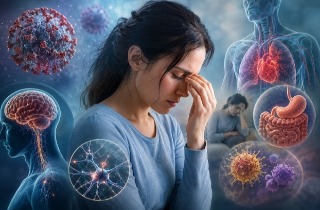
More than six years after SARS-CoV-2 first emerged, scientists are warning that COVID-19 can leave behind complicated health problems affecting far more than the lungs. A major collection of research on long COVID highlights persistent inflammation, neurological symptoms, fatigue, metabolic changes and possible effects on other chronic diseases.
New research reveals how long COVID may drive l...
MRI Study Finds Brain Changes After COVID-19
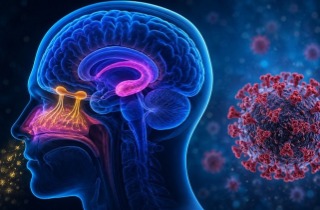
A new brain imaging study suggests COVID-19 may be associated with measurable reductions in two important structures: the olfactory bulbs, which process smell, and the hippocampus, which is central to memory and learning.
MRI research links COVID-19 with smaller smell-processing and memory-related brain regions, especially among
patients reporting sme...
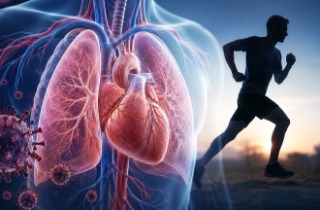
A new study from China has found that people who were previously healthy can experience measurable reductions in heart, lung and exercise performance months after SARS-CoV-2 infection, adding to concerns that Long COVID can affect several body systems at the same time.
Long COVID patients showed measurable reductions in exercise capacity, cardiovascular performance and breathing
function mon...
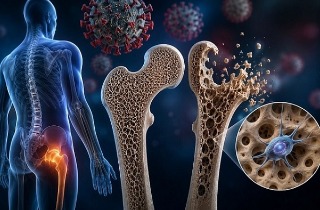
COVID-19 may leave consequences that extend far beyond the lungs, with researchers warning that SARS-CoV-2 infection could disturb bone health from microscopic bone cells all the way to the overall strength of the skeleton. The new scientific review brings together clinical findings, animal experiments, advanced imaging and biomechanical research suggesting that COVID-19-associated bone damage is ...
Researchers Find Measurable Changes in Long COVID Brains
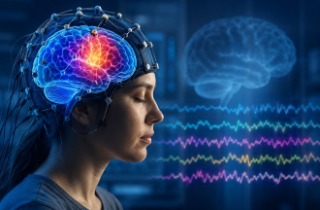
Scientists have identified two unusual brainwave patterns that may help explain fatigue and “brain fog” in Long COVID. The findings raise the possibility that electroencephalography, or EEG, could help assess difficult-to-measure neurological symptoms.
Altered beta and alpha brainwaves were linked to brain fog and fatigue i...
A striking medical case involving a 55-year-old woman with COVID-19 myocarditis, severe heart dysfunction and worsening kidney injury suggests that COVID-19 may directly or indirectly create conditions capable of triggering a dangerous complication known as BRASH syndrome.
COVID-19-associated myocarditis and worsening kidney dysfunction may create conditions that help trigger
the potentially...
A new study has identified a troubling biological pathway that could explain why some people experience persistent joint, cartilage and bone problems after COVID-19. Researchers found that a small signaling peptide called endothelin-1 (ET-1) may help transmit damaging effects from SARS-CoV-2-injured lungs to distant skeletal tissues.
Researchers have identified endothelin-1 as a possible link...
Oxidative Damage May Persist Long After Infection
Scientists studying long COVID have found striking evidence that the body can remain under prolonged oxidative stress months, and sometimes years, after the original coronavirus infection.
Long COVID patients showed substantially greater oxidative damage together with weakened antioxidant
defenses, even many months after their initial infect...
Long COVID may affect more than the lungs, heart, brain and nervous system. A newly published case report suggests that problems involving the salivary glands and their drainage ducts can appear months after repeated SARS-CoV-2 infections, causing severe dry mouth, facial swelling and considerable pain.
An unusual case suggests long COVID may be linked to severe salivary duct enlargement, dry...
Severe cases and deaths climb sharply
Taiwan is facing a renewed COVID-19 surge, with health authorities reporting 72 new domestic severe cases and 14 deaths between August 4 and 10, marking a concerning acceleration in serious disease. The Taiwan Centers for Disease Control said severe cases increased from 62 during the preceding seven days, while deaths jumped from three to 14.
Taiwan’s ...
Long COVID remains a major medical challenge, particularly for patients affected by post-exertional malaise (PEM) and persistent cognitive problems commonly described as “brain fog.” These symptoms can interfere with employment, household activities, exercise and even relatively minor physical or mental tasks.
A new scientific review proposes investigating eight nutraceuticals tar...
A new study has uncovered distinctive changes in blood metabolism among people suffering from neuropsychiatric Long COVID, offering fresh clues as to why patients can experience persistent fatigue, low mood and cognitive difficulties months after their initial SARS-CoV-2 infection.
Researchers have identified distinctive metabolic changes linked to fatigue, depressive symptoms and brain struc...
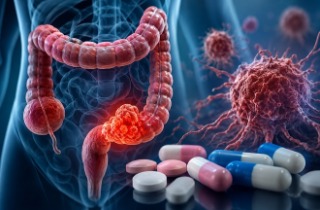
A detailed investigation of intestinal tissue from people with Long COVID has uncovered signs of lingering SARS-CoV-2 alongside major disturbances in the gut’s immune defenses, potentially offering important clues about why symptoms can continue for years after the original infection.
Scientists find lingering SARS-CoV-2 signals and widespread immune disruption in colorectal tissue from...
Scientists have uncovered an unexpected way SARS-CoV-2 may activate one of the body’s important antiviral defenses. Rather than simply recognizing genetic material belonging to the virus, the immune sensor MDA5 appears able to detect disruptions that infection causes to the cell’s own RNA-processing system.
SARS-CoV-2 disrupts normal cellular RNA processing, producing abnormal hos...
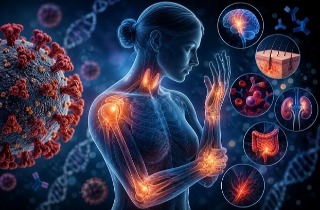
A major systematic review involving data from tens of millions of people has found that COVID-19 infection is consistently associated with an increased risk of developing new autoimmune and autoinflammatory diseases. The findings suggest the effect can involve the joints, skin, blood vessels, thyroid, digestive system, blood and nervous system, although the absolute risk for any individual remains...
The neurological consequences of COVID-19 continue to attract intense scientific attention as researchers investigate why some patients develop persistent brain fog, fatigue, anxiety, sleep disturbances, autonomic problems, and other neurological or neuropsychiatric symptoms. One emerging area of interest involves oxytocin, a neuropeptide whose functions extend far beyond social bonding.
Emer...
A major multinational study has raised new concerns about the possible long-term effects of COVID-19, finding that people with existing thyroid disorders who had COVID-19 were more likely to later be diagnosed with thyroid cancer than comparable patients without a recorded SARS-CoV-2 infection.
A large multinational study found a higher long-term rate of thyroid cancer diagnosis following COV...
Scientists have uncovered a striking way in which a SARS-CoV-2 protein can interfere with the tiny energy-producing structures inside human cells. The study focused on ORF7a, an accessory protein made by the virus, and found that it can dramatically reprogram cellular metabolism while weakening mitochondrial energy production.
SARS-CoV-2 protein ORF7a can rewire cellular metabolism and disrup...
A new murine study has found that SARS-CoV-2 infection can intensify abnormalities involving dopamine, brain immune cells and nerve-cell degeneration in a mouse model of early Parkinson’s disease. The effects were particularly pronounced in male mice, while females showed considerably greater resistance to neurological damage.
Murine research shows SARS-CoV-2 can amplify dopamine disrup...
Doctors are drawing attention to a rare but potentially serious blood complication that can appear weeks or even months after SARS-CoV-2 infection. A newly published case and review suggest that COVID-19 may trigger pure red cell aplasia (PRCA), a disorder in which the bone marrow suddenly becomes unable to produce enough red blood cells.
Doctors report that SARS-CoV-2 may rarely trigger severe ...
Scientists have uncovered how a key SARS-CoV-2 enzyme can simultaneously weaken the body's early antiviral defenses and reorganize the metabolism of infected cells, creating conditions that help the coronavirus multiply.
The study focused on the viral papain-like protease, or PLpro, an enzyme contained within the SARS-CoV-2 Nsp3 protein. Researchers discovered that PLpro removes prote...
Scientists investigating why COVID-19 antibodies remain detectable longer in some people than others have found that a naturally occurring hormone may provide an important part of the answer. New research suggests that levels of 17β-estradiol, a form of estrogen found in both women and men, are strongly associated with how long antibodies against SARS-CoV-2 persist after infection. Researcher...
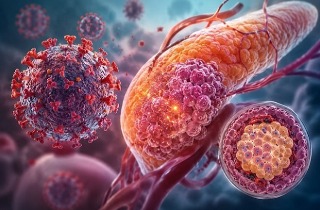
COVID-19 may have lasting effects on the body’s ability to control blood sugar, with growing evidence suggesting that SARS-CoV-2 can interfere with pancreatic beta cells, the specialized cells responsible for producing and releasing insulin. Researchers warn that these disturbances could help explain why some people develop abnormal blood sugar or newly diagnosed diabetes during or after COV...
People suffering from long COVID-related chronic fatigue may experience depression differently from those with typical depression, according to a new study by researchers from the University Hospital of Cagliari, the University of Cagliari, the Federico II University of Naples, the University of Kore, and the Federal University of Rio de Janeiro. Rather than feeling overwhelmingly sad, many patien...