Soy Lysolecithin Counters High-Salt Diet-Induced Hypertension and Cognitive Impairment
Nikhil Prasad Fact checked by:Thailand Medical News Team Aug 02, 2026 31 minutes ago
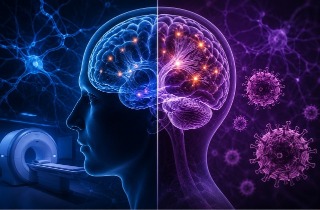
A growing body of research is revealing that consuming too much salt does more than raise blood pressure. Long-term excessive salt intake may also negatively affect brain function, leading to declines in memory and social behavior. While reducing dietary salt remains the primary recommendation, scientists are also exploring nutritional strategies that may help lessen the harmful effects of high salt consumption.
 Soy-derived LPC70 reduced high-salt diet-induced hypertension and improved memory and social behavior in
mice by regulating prostaglandin signaling in the kidneys and brain.
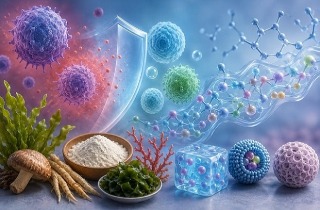
Researchers in Japan have now identified a promising soy-derived phytochemical ingredient known as LPC70, a lysolecithin enriched with more than 70% lysophosphatidylcholine (LPC), that helped protect against both hypertension and cognitive impairment caused by a high-salt diet in laboratory mice. More importantly, the new study explains how this compound works by regulating prostaglandin signaling in different organs, offering fresh insights into how dietary components may influence both cardiovascular and brain health.
This
Medical News report examines the findings of the new study and their potential implications for future dietary interventions aimed at reducing the health burden associated with excessive salt intake.
Researchers Investigate the Biological Mechanisms Behind LPC70
The study was led by Professor Akihiro Mouri, Dr. Hisayoshi Kubota, and Dr. Kazuhiro Kagotani. Professor Mouri and Dr. Kubota are affiliated with the Department of Regulatory Science for Evaluation and Development of Pharmaceuticals & Devices, Fujita Health University Graduate School of Medical Science, and the International Center for Brain Science (ICBS), Fujita Health University, Japan. Dr. Kagotani is affiliated with Tsuji Oil Mills Co., Ltd., Japan, and the Tsuji Health and Beauty Science Laboratory, Mie University, Japan.
Previous work by the same research team had already shown that LPC70 could reduce hypertension and cognitive impairment induced by a high-salt diet. However, the biological mechanisms responsible for these protective effects remained unclear. The researchers therefore investigated whether LPC70 influences prostaglandin (PG) signaling, an important system that regulates blood pressure, inflammation, and brain function.
Prostaglandins are lipid signaling molecules produced from arachidonic acid (AA). In the kidneys, they help regulate blood vessel tone and sodium handling, while in the brain they influence inflammation, neuronal survival, emotional behavior, and cognitive performance. Different prostaglandin receptors can produce either protective or harmful effects depending on the tissue involved.
High-Salt Diet Produced Cardiovascular and Cognitive Changes
To evaluate the effects of LPC70, mice were fed a high-salt diet containing 8% sodium chloride for ten weeks, with one group receiving LPC70 supplementation.
As expected, mice consuming the high-salt diet developed significantly elevated systolic blood pressure. The animals also displayed impaired
social interaction and poorer object-recognition memory, indicating deterioration in higher-order cognitive function. Importantly, their general locomotor activity and anxiety-like behavior remained largely unchanged, suggesting that the high-salt diet specifically affected cognitive and social behaviors rather than causing generalized neurological dysfunction.
Supplementation with LPC70 significantly attenuated the increase in blood pressure while also improving both social behavior and object-recognition memory, demonstrating protective effects on both cardiovascular and neurological function in this mouse model.
LPC70 Restored Healthier Prostaglandin Signaling
The researchers then examined molecular changes in the kidneys and brain.
In the kidneys, the high-salt diet increased expression of cyclooxygenase-2 (COX-2) and the EP3 receptor, one of the receptors for prostaglandin E2 (PGE2). Increased activity of the COX-2–EP3 pathway has previously been linked to salt-sensitive hypertension by promoting sodium retention and altering vascular regulation. LPC70 markedly reduced the high-salt-induced increases in both COX-2 and EP3 expression, suggesting that it suppresses maladaptive prostaglandin signaling associated with elevated blood pressure.
The brain showed a different pattern of changes. Within the prefrontal cortex, a region responsible for cognition and social behavior, the high-salt diet reduced expression of the DP1 receptor, a receptor for prostaglandin D2 (PGD2) that is associated with neuroprotective and anti-inflammatory actions. LPC70 restored DP1 expression while leaving DP2, a receptor associated with neurotoxic signaling, largely unchanged. This selective restoration suggests that LPC70 shifts prostaglandin signaling toward pathways that better support normal brain function and cognitive performance.
Improved Utilization of Arachidonic Acid
The study also revealed important changes in lipid metabolism. Although mice consuming the high-salt diet showed reduced circulating levels of arachidonic acid, LPC70 supplementation increased production of arachidonic acid-derived prostaglandins, particularly PGE2 and PGD2. Rather than simply increasing arachidonic acid levels, LPC70 appeared to improve the body's ability to utilize this fatty acid for prostaglandin production under high-salt conditions.
By combining gene-expression analysis with comprehensive lipidomic profiling, the researchers demonstrated that LPC70 promotes organ-specific and receptor-dependent prostaglandin signaling—reducing harmful signaling in the kidneys while restoring beneficial signaling in the brain. These coordinated effects likely explain the improvements observed in both blood pressure and behavioral performance.
Potential as a Functional Food Ingredient
The World Health Organization recommends limiting daily salt intake to less than five grams, yet average global consumption remains approximately ten grams per day, with many Asian populations consuming even higher amounts. These findings suggest that LPC70 could eventually serve as a functional food ingredient to help mitigate some of the adverse cardiovascular and neurological effects associated with excessive salt consumption. However, the researchers emphasize that the current findings were obtained in mice, and carefully designed human clinical studies will be needed before any clinical recommendations can be made.
Conclusion
This study provides important new mechanistic evidence explaining how LPC70 protects against high-salt diet-induced hypertension and behavioral impairments in mice. By regulating prostaglandin signaling differently in the kidneys and brain, restoring beneficial DP1 signaling, suppressing maladaptive COX-2 and EP3 activity, and enhancing arachidonic acid-derived prostaglandin production, LPC70 improved both cardiovascular and cognitive outcomes. Although further human studies are required, the findings strengthen the case for investigating soy-derived lysolecithin as a potential functional dietary component for reducing the harmful health effects associated with chronically high salt intake.
The study findings were published in the peer reviewed journal: Neurochemistry International.
https://www.sciencedirect.com/science/article/abs/pii/S0197018626000756
Read Also:
https://www.thailandmedical.news/articles/supplements
https://www.thailandmedical.news/articles/diets-and-nutrition
https://www.thailandmedical.news/articles/herbs-and-phytochemicals 



 Share
Share
 Tweet
Tweet
 Share
Share