Phytochemicals from Astragalus Membranaceus Shows Strong Neuroprotective Promise
Nikhil Prasad Fact checked by:Thailand Medical News Team Dec 03, 2025 10 months, 1 day, 6 hours, 54 minutes ago
Medical News: A Traditional Herb Reveals Modern Potential
Astragalus membranaceus, a well-known root in traditional Chinese medicine, is gaining international scientific attention for its potential to protect the brain and central nervous system. A new comprehensive review conducted by researchers from Nanjing University of Chinese Medicine, China, highlights how this ancient herb may help defend the brain from inflammation, oxidative stress, nerve cell death, blood–brain barrier breakdown, and other key processes that drive serious neurological diseases. These include Alzheimer’s disease, Parkinson’s disease, traumatic brain injury, spinal cord injury, stroke, and multiple sclerosis. The findings offer new hope for developing safer, plant-based strategies to support brain health, and this
Medical News report explores the key discoveries revealed in this extensive scientific review.
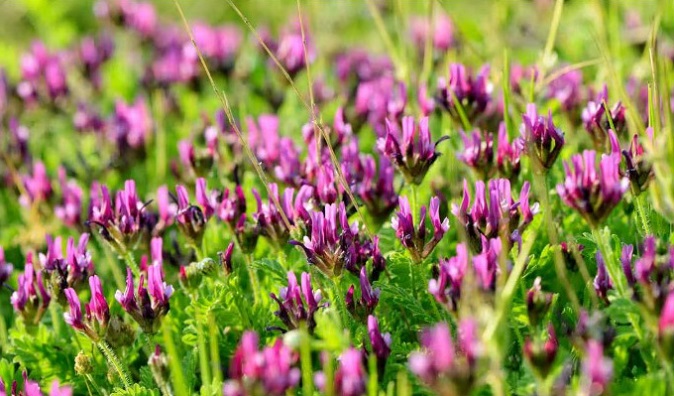 A new scientific review shows that Astragalus membranaceus may protect the brain through multiple powerful neuroprotective pathways
Why the Herb Matters for Brain Health
A new scientific review shows that Astragalus membranaceus may protect the brain through multiple powerful neuroprotective pathways
Why the Herb Matters for Brain Health
Astragalus membranaceus contains more than 200 bioactive compounds, but two groups—Astragaloside IV (AS-IV) and Astragalus polysaccharides (APS)—show the strongest therapeutic potential. According to the study, these components act on multiple pathways inside the brain, providing “multi-component, multi-target, multi-pathway” protection. In simple terms, the herb does not just focus on a single problem. Instead, it acts like a broad shield, blocking several damaging processes at once. This is important because brain diseases such as Alzheimer’s and stroke involve not one but many harmful mechanisms operating together.
Reducing Harmful Brain Inflammation
One of the central findings of the review is that Astragalus membranaceus significantly reduces neuroinflammation, which is a major trigger for brain degeneration. The study shows that in conditions like stroke, multiple sclerosis, and depression-related inflammation, compounds such as AS-IV help steer immune cells in the brain—called microglia—away from their destructive mode and toward a healing, protective state. The research also found that Astragalus compounds suppress dangerous inflammatory molecules such as IL-1β, IL-6, and TNF-α, primarily by blocking the NF-κB pathway and inhibiting the NLRP3 inflammasome, both of which play a major role in bringing inflammation under control.
Protecting Brain Cells from Oxidative Stress
Oxidative stress, a damaging process caused by an overload of harmful oxygen molecules, is a common feature of Alzheimer’s disease, acute ischemic stroke, traumatic brain injury, and many other CNS conditions. The study highlights that Astragalus membranaceus boosts natural antioxidant systems in the brain by increasing enzymes such as SOD and glutathione peroxidase. These enzymes neutralize toxic free radicals and help prevent DNA, lipid, and protein damage inside brain cells. Astragalus also activates th
e powerful Nrf2 antioxidant pathway, which enhances the brain’s own long-term defense system and helps reduce the risk of ongoing neural damage.
Preventing Nerve Cell Death and Supporting Survival Mechanisms
The review also reveals that Astragalus membranaceus helps prevent apoptosis, a form of programmed cell death that contributes significantly to neurological decline. AS-IV works by regulating key survival pathways, reducing harmful proteins linked to cell death, and restoring balance in mitochondria—the energy centers of cells. In models of Alzheimer’s disease, stroke, and anesthesia-related brain injury, Astragalus compounds lowered levels of damaging proteins such as Caspase-3 and Bax while increasing protective proteins like Bcl-2. These combined effects help brain cells survive longer and function more efficiently.
 Phytochemicals from Astragalus Membranaceus can protect the human brain from numerous neurological
and neurodegenerative diseases and conditions.
Regulating Autophagy to Maintain Neuronal Health
Autophagy, the process by which cells clear out damaged components, is essential for keeping neurons healthy. The study explains that Astragalus membranaceus can either increase or decrease autophagy depending on the disease context. In spinal cord injury, the herb stimulated autophagy to reduce nerve cell death, while in acute stroke models, it reduced excessive autophagy that would otherwise damage the brain. This flexible and intelligent regulation suggests that Astragalus compounds may help restore proper cellular cleanup processes that malfunction in many chronic brain disorders.
Blocking Ferroptosis—A Newly Identified Form of Cell Death
One of the most important modern findings relates to ferroptosis, an iron-dependent form of cell death strongly implicated in stroke, Parkinson’s disease, and Alzheimer’s disease. The research team highlights that Astragalus membranaceus, especially total flavonoids and AS-IV, increases key protective proteins like GPX4 and SLC7A11 to stop the buildup of toxic lipid peroxides. It also activates Nrf2 and reduces NOX4 activity, both of which help prevent dangerous iron-driven damage to brain cells. These discoveries open new possibilities for using the herb to target diseases that previously had limited treatment options.
Strengthening the Blood–Brain Barrier
A critical part of neurological protection involves preserving the blood–brain barrier (BBB), the brain’s main protective shield. When this barrier becomes leaky, toxins and inflammatory molecules enter the brain and worsen disease outcomes. The review shows that Astragalus membranaceus helps strengthen tight junction proteins such as ZO-1, occludin, and claudin-5. Compounds like AS-IV, Cycloastragenol, and APS reduced barrier leakage, lowered harmful proteins like MMP-9 and AQP4, and stabilized vascular integrity in models of stroke, inflammation, and brain injury. These protective effects may be crucial in preventing long-term neurological decline.
Safety and Everyday Applications
The review also confirms that Astragalus membranaceus is considered safe when used at recommended levels. Animal safety tests showed no significant toxicity even at very high doses. The herb is already being incorporated into functional foods such as soups, porridges, snacks, and nutritional products that follow China’s “medicine and food homology” concept. These products may help support energy levels, immunity, and overall wellness, indirectly contributing to better brain health.
Conclusions
This extensive scientific review provides strong evidence that Astragalus membranaceus has meaningful neuroprotective potential across many types of brain and nervous system diseases. Its combined ability to reduce inflammation, fight oxidative stress, block ferroptosis, protect the blood–brain barrier, regulate autophagy, and prevent nerve cell death makes it a compelling candidate for further development. While more high-quality human clinical trials are still required, the herb’s safety profile and multi-pathway actions present a valuable opportunity for future therapies. As research advances, Astragalus membranaceus could emerge as a major natural support for preventing and managing complex neurological conditions, offering safer and broader protection than many existing treatments.
The study findings were published in the peer reviewed journal: Biomolecules.
https://www.mdpi.com/2218-273X/15/12/1671
For the latest on Herbs and Phytochemicals, keep on logging to Thailand
Medical News.
Read Also:
https://www.thailandmedical.news/articles/herbs-and-phytochemicals




 Share
Share
 Tweet
Tweet
 Share
Share

































