COVID-19 Induced Cytokines Can Reprogram Sperm and Alter Offspring Brain Development and Behavior
Nikhil Prasad Fact checked by:Thailand Medical News Team Jun 20, 2026 1 month, 2 weeks, 4 days, 9 hours, 44 minutes ago
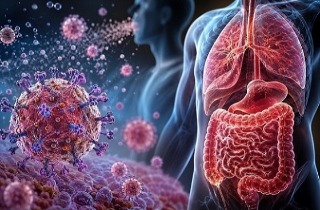
Medical News: Scientists have uncovered new evidence suggesting that inflammatory molecules generated during viral infections such as COVID-19 may have effects that extend far beyond the infected individual. A new study has found that key cytokines associated with immune responses can alter sperm molecular profiles and influence the brain development, behavior, and metabolic responses of future offspring.
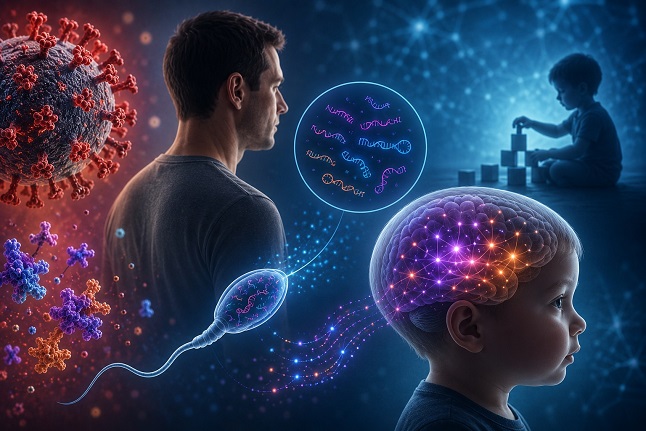 Study finds that inflammatory cytokines associated with COVID-19 can alter sperm RNA and influence offspring brain
development, behavior, and metabolism
The research was conducted by scientists from the Florey Institute of Neuroscience and Mental Health, the Florey Department of Neuroscience and Mental Health at The University of Melbourne, the Department of Biochemistry and Chemistry at La Trobe University, and the Department of Anatomy and Physiology at The University of Melbourne, Australia.
Growing Concerns About Paternal Health Before Conception
Over the last few years, researchers have become increasingly interested in how a father's health before conception can affect offspring. Previous studies demonstrated that paternal infection with SARS-CoV-2, the virus that causes COVID-19, could alter offspring behavior and metabolic responses through changes in sperm epigenetics. Similar effects were also observed when scientists triggered immune responses in male animals using viral mimics rather than actual infections.
However, the precise biological factors responsible for these changes remained unclear. The new study sought to determine whether inflammatory cytokines themselves could be driving these effects.
The researchers focused on two powerful pro-inflammatory cytokines, interleukin-1 beta (IL-1β) and tumor necrosis factor-alpha (TNF-α), both of which are commonly elevated during viral infections and inflammatory conditions, including severe COVID-19.
Cytokines Alone Were Enough to Trigger Long-Term Effects
Male mice were administered a single dose of either IL-1β or TNF-α before mating with healthy female mice several weeks later. The treated males initially displayed classic sickness responses, including reduced movement, decreased food intake, weight loss, and reduced water consumption. These effects were temporary and resolved within days.
Importantly, the cytokine exposure did not affect fertility, litter sizes, sex ratios of offspring, or maternal care after birth. This allowed researchers to isolate the effects of paternal immune signaling on offspring development.
The findings revealed striking offspring changes. Male offspring of fathers exposed to TNF-α displayed increased anxiety-like behavior. They were less willing to explore open areas and showed greater hesitation during behavioral testing.
Meanwhile, offspring of fathers exposed to IL-1β showed altered responses to fasting. These animals lost more body weight during food deprivation and consumed significantly more food after fasting, suggesting disruptions in metabolic regulation.
The
researchers also found sex-specific effects. Female offspring of IL-1β-exposed fathers demonstrated altered stress-coping behavior, spending more time immobile during stress-related testing, while male offspring showed different behavioral responses.
Sperm RNA Changes Provide Clues
One of the most important findings involved changes in sperm small non-coding RNAs. These tiny RNA molecules do not produce proteins but help regulate gene activity during early embryonic development.
Analysis revealed that IL-1β exposure significantly altered several transfer RNA-derived small RNAs and PIWI-interacting RNA clusters in sperm. These molecular changes are considered important epigenetic signals capable of influencing developmental processes after fertilization.
Interestingly, TNF-α exposure produced fewer detectable sperm RNA alterations, despite causing measurable behavioral changes in offspring. This suggests that multiple biological pathways may be involved in transmitting paternal immune signals to future generations.
This
Medical News report notes that several of the altered sperm RNA molecules were linked to biological pathways involved in gene regulation, transcriptional control, cellular development, and behavioral outcomes, providing a potential mechanistic explanation for the observed offspring effects.
Implications for COVID-19 and Future Disease Outbreaks
The findings are particularly relevant in light of the COVID-19 pandemic. Cytokines such as IL-1β and TNF-α are major components of the inflammatory response triggered by SARS-CoV-2 infection. The study suggests that immune activation itself may play a crucial role in shaping biological outcomes in future offspring.
The researchers emphasize that the work was performed in mice and further studies will be required to determine whether similar mechanisms occur in humans. Nevertheless, the findings provide some of the strongest evidence to date that paternal immune responses before conception can leave lasting biological marks that influence the next generation.
Conclusions
The study provides the first direct evidence that inflammatory cytokines can act as mediators of paternal epigenetic inheritance. Exposure to IL-1β and TNF-α before conception altered sperm small non-coding RNA profiles and produced measurable changes in offspring behavior, stress responses, anxiety-like traits, and metabolic regulation. These findings help explain how infections such as COVID-19 may exert effects beyond the infected individual by influencing reproductive biology and developmental programming. The research also highlights the importance of paternal health before conception and raises important questions about how immune activation associated with viral infections could contribute to long-term neurodevelopmental and psychiatric risks in future generations.
The study findings were published in the peer reviewed Molecular Psychiatry.
https://www.nature.com/articles/s41380-026-03674-5
For the latest COVID-19 news, keep on logging to Thailand
Medical News.
Read Also:
https://www.thailandmedical.news/articles/coronavirus
https://www.thailandmedical.news/articles/long-covid




 Share
Share
 Tweet
Tweet
 Share
Share