BREAKING NEWS
For the latest on Thailand Medical Industry, Thailand Doctors, Thailand Medical Research, Thailand Hospitals, Thailand Wellness Initiatives and the latest Medical News
 Share
Share
 Tweet
Tweet
 Share
Share
Medical News: The global surge in shingles cases is no longer confined to the elderly. Health experts across the United States, Europe, Asia, and Australia are warning that younger adults are increasingly being diagnosed with the painful viral condition once considered largely a disease of aging populations. Doctors are now reporting more patients in their 20s, 30s, and 40s developing shingles, with stress, chronic illnesses, immune dysfunction, and post-pandemic health changes emerging as key drivers behind the trend.

Painful shingles infections are increasingly affecting younger adults as global case numbers continue climbing rapidly
Shingles, medically known as herpes zoster, occurs when the dormant varicella-zoster virus, the same virus that causes chickenpox, reactivates years or even decades later. According to global epidemiological estimates, roughly one in three people worldwide will develop shingles during their lifetime. While older adults still account for the majority of infections, new data show that younger demographics are experiencing some of the sharpest increases in incidence rates.
Younger Adults Increasingly Affected
Recent statistics from the U.S. Centers for Disease Control and Prevention reveal that shingles diagnoses increased steadily between 1998 and 2019 across all age groups, with particularly notable rises among adults in their 30s and 40s. Australian healthcare reviews have also documented a near tripling of shingles cases among adults aged 25 to 49 over the last 13 years.
Healthcare providers in Singapore have similarly observed approximately a 10 percent rise in shingles cases over the past two years. Many clinicians believe weakened immune resilience following the COVID-19 pandemic may be contributing to the increase.
The trend has become more visible partly because celebrities and athletes have publicly discussed their experiences. NBA All-Star Tyrese Haliburton missed several weeks of professional basketball after developing shingles at just 25 years old. Singer Justin Bieber suffered facial paralysis linked to Ramsay Hunt Syndrome caused by shingles complications, while actor Bill Hader recently described the disease as feeling like “fire blisters.”
Dormant Virus Can Reactivate Decades Later
For many adults, the infection begins with a childhood case of chickenpox. Before the chickenpox vaccine became widely available in the mid-1990s, nearly every child contracted the disease. Even after recovery, the virus never fully disappears. Instead, it remains dormant inside sensory nerve clusters near the spinal cord.
Under certain conditions, the virus can reactivate. Once active again, it travels along nerve pathways to the skin, causing painful blistering rashes that usually appear on one side of the body or face. Symptoms can include fever, headaches, chills, fatigue, nausea, tingling sensations, and severe nerve pain.
Medical researchers say one of the greatest dangers is post-herpetic neuralgia, a chronic nerve pain condition that can continue for months or years after the visible rash disappears. Approximately 10 percent of shingles patients develop this complication, though rates can climb as high a
s 45 percent in immunocompromised individuals.
Serious Eye and Neurological Complications Increasing
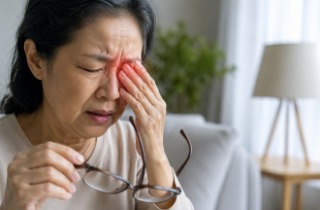
Doctors are also increasingly concerned about herpes zoster ophthalmicus, a dangerous form of shingles affecting the trigeminal nerve near the eye. This condition can lead to permanent vision damage or blindness.
Emerging unpublished research suggests the largest relative increase in herpes zoster ophthalmicus cases is occurring in people under age 30, with some datasets showing increases approaching 37 percent. Scientists still do not fully understand why this severe subtype appears to be rising so rapidly among younger adults.
In rarer cases, shingles can trigger Ramsay Hunt Syndrome, which affects facial nerves and may cause facial paralysis, hearing issues, dizziness, and balance problems.
Chronic Diseases and Stress Are Major Risk Factors
Experts increasingly believe the rise in younger shingles patients is closely tied to worsening chronic health burdens worldwide. Studies show adults aged 30 to 39 with chronic illnesses such as asthma, diabetes, depression, kidney disease, autoimmune disorders, and inflammatory conditions face an 18 to 31 percent higher shingles risk compared to healthy peers.
Conditions like lupus, rheumatoid arthritis, psoriasis, inflammatory bowel disease, and multiple sclerosis weaken immune surveillance, allowing dormant viruses to reactivate more easily. Medications including steroids, chemotherapy agents, methotrexate, and immune-suppressing biologics also increase vulnerability.
Researchers explain that T-cells, a key component of immune defense, normally suppress dormant varicella-zoster virus activity. When T-cell function declines due to illness, aging, stress, or medications, the virus gains an opportunity to reactivate.
Psychological stress is increasingly being viewed as another major factor. American Psychological Association surveys show younger adults report some of the highest stress levels recorded in decades. Many infectious disease specialists now routinely observe shingles outbreaks during periods of severe emotional strain, burnout, depression, grief, or sleep deprivation.
This Medical News report notes that modern lifestyles involving chronic stress, reduced sleep quality, poor dietary habits, environmental pollution exposure, and lingering immune disturbances following viral infections may collectively be creating conditions favorable for herpes zoster reactivation at younger ages.
Vaccination Remains the Best Protection
Health authorities continue to emphasize vaccination as the most effective defense against shingles. The Shingrix vaccine, approved in 2017, has demonstrated more than 90 percent effectiveness in preventing shingles among healthy adults over age 50.
Even among immunocompromised individuals and those with chronic illnesses, effectiveness remains close to 70 percent, making it one of the most valuable preventive tools currently available.
The vaccine is now recommended in many countries for adults over age 50 as well as younger adults with weakened immune systems. Unlike older vaccines, Shingrix does not contain live virus, making it safer for many vulnerable individuals.
Interestingly, newer studies have also suggested shingles vaccination may reduce dementia risk for several years following vaccination, though researchers are still investigating the biological mechanisms involved.
Early Treatment Can Reduce Long Term Damage
Doctors stress that early antiviral treatment is critical. Medications such as acyclovir, valacyclovir, and famciclovir work best when started within 72 hours of symptom onset. Prompt therapy can reduce disease severity, shorten illness duration, and lower the risk of long-term nerve complications.
Patients are advised to seek immediate medical attention if they experience unexplained burning pain, tingling, skin sensitivity, or blistering rashes, especially around the eyes or face.
Maintaining strong immune health through regular exercise, adequate sleep, balanced nutrition, stress reduction, and chronic disease management may also help lower shingles risk.
The growing rise in shingles among younger adults is becoming an increasingly concerning public health issue worldwide. While older adults remain the highest-risk group, the steady increase among people under 50 signals that broader immune and lifestyle factors are likely influencing viral reactivation patterns.
Researchers are still working to understand why incidence rates continue climbing globally, but mounting evidence suggests chronic stress, immune dysfunction, rising chronic disease prevalence, environmental pressures, and post-pandemic immune alterations may all be contributing. Experts warn that without greater awareness, earlier vaccination efforts, and stronger preventive healthcare strategies, shingles could continue evolving into a much larger burden affecting increasingly younger populations across the globe.
References:
https://viroresearch.com/increase-in-herpes-zoster-over-the-last-60-years/
https://academic.oup.com/cid/advance-article/doi/10.1093/cid/ciag095/8542455
https://www.channelnewsasia.com/singapore/shingles-age-infectious-disease-covid-19-chickenpox-varicella-zoster-virus-4811146
https://www.theage.com.au/healthcare/unrelenting-more-young-people-are-suffering-from-this-painful-condition-no-one-knows-why-20260122-p5nw49.html
https://www.gsk.com/en-gb/media/press-releases/new-global-survey-finds-widespread-misunderstandings-about-shingles-despite-its-lifetime-prevalence/
https://pmc.ncbi.nlm.nih.gov/articles/PMC12728290/
For the latest on Shingles, keep on logging to Thailand Medical News.
Read Also:
https://www.thailandmedical.news/news/study-shows-that-post-covid-individuals-have-a-59-percent-risk-of-developing-herpes-zoster-or-shingles
https://www.thailandmedical.news/news/higher-risk-of-colon-cancer-in-covid-19-survivors-with-shingles
https://www.thailandmedical.news/news/herpes-zoster-after-covid-19-linked-to-higher-blood-cancer-risk
https://www.thailandmedical.news/news/curcumin-shows-promise-in-treating-shingles-and-neurological-disorders