Nikhil Prasad Fact checked by:Thailand Medical News Team May 05, 2026 4 months, 4 weeks, 2 days, 51 minutes ago
Medical News: A new study is shedding light on an unexpected benefit of a diabetes drug that could go beyond controlling blood sugar. Researchers have found that imeglimin, a relatively new oral medication for type 2 diabetes, may improve how red blood cells move through tiny blood vessels—something that is often impaired in people with the condition.
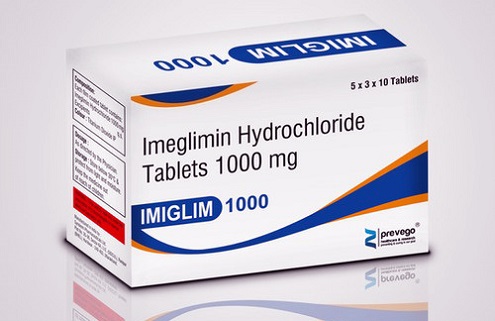 Diabetes drug imeglimin may help red blood cells flow better and improve circulation
Why Blood Cell Flexibility Matters
Diabetes drug imeglimin may help red blood cells flow better and improve circulation
Why Blood Cell Flexibility Matters
In people with type 2 diabetes, blood does not always flow smoothly. Red blood cells, which carry oxygen throughout the body, can become stiff and less flexible. This makes it harder for them to pass through very small blood vessels, leading to poor circulation and increasing the risk of complications such as nerve damage, kidney disease, and vision problems.
The new study explored whether imeglimin could help address this issue by improving what scientists call “erythrocyte deformability”—essentially, how easily red blood cells can bend and squeeze through narrow spaces.
Study Details and Who Was Involved
The research was conducted by scientists from Naka Kinen Clinic, Ibaraki, Japan, and the Integrated Research Administration Center, Saitama Medical University, Saitama, Japan. It involved 25 patients with type 2 diabetes who were treated with imeglimin for six months and then monitored for an additional three months after stopping the drug.
Participants took 2000 mg of imeglimin daily, and researchers closely tracked changes in blood flow properties, red blood cell behavior, and overall metabolic health.
Key Findings on Blood Flow and Cells
The results were striking. After four to six months of treatment, red blood cells became significantly more flexible, allowing them to move more easily through tiny channels that simulate blood vessels. This improvement was measured using specialized equipment that tracks how quickly blood flows through microscopic pathways.
Interestingly, this effect reversed after the drug was discontinued, suggesting that the benefit is directly linked to ongoing treatment.
Another important discovery was that imeglimin increased the lifespan of red blood cells by 10 to 20 percent. While this might sound like a small change, it can have meaningful effects on how oxygen is delivered throughout the body. However, the study also observed slight temporary reductions in red blood cell count, hemoglobin levels, and hematocrit during treatment. These values returned to normal after stopping the medication.
What the Study Revealed
Microscopic images included in the study showed a clear difference in blood flow. Before treatment and after stopping the drug, blood cells often got stuck or slowed down at narrow entry points. During treatment, however, the cells flowed much more smoothly with less clogging, visually confirming the measured improvements in blood fluidity.
Broader Effects Beyond Blood Sugar
While imeglimin is primarily used to lower blood gl
ucose, this
Medical News report highlights that its benefits may extend further. The drug appears to improve mitochondrial function—the energy-producing systems inside cells—which could enhance the health and flexibility of red blood cells.
Interestingly, common measures of artery stiffness showed only minor and temporary changes, suggesting that imeglimin’s main impact may be on small blood vessels and microcirculation rather than large arteries.
What This Means for Patients
These findings suggest that imeglimin could play a role in improving circulation in people with type 2 diabetes, potentially helping reduce the risk of complications linked to poor blood flow. However, the researchers caution that the study was relatively small and exploratory, meaning more research is needed before firm conclusions can be drawn.
Conclusion
Overall, the study provides promising evidence that imeglimin may offer benefits beyond traditional blood sugar control. By improving the flexibility of red blood cells and enhancing blood flow at the microscopic level, the drug could help address one of the underlying problems in diabetes-related complications. While the improvements appear reversible and dependent on continued use, they highlight a new and potentially important mechanism of action. Larger and longer-term studies will be essential to determine whether these changes translate into real-world reductions in complications such as nerve damage, kidney disease, or cardiovascular issues.
The study findings were published on a preprint server and are currently being peer reviewed.
https://www.preprints.org/manuscript/202605.0138
For the latest on diabetes, keep on logging to Thailand
Medical News.
Read Also:
https://www.thailandmedical.news/articles/diabetes
https://www.thailandmedical.news/articles/med-news
Medical Disclaimer: All content published by Thailand Medical News is based on scientific research and is intended for informational and educational purposes only. It is not medical advice, diagnosis, or treatment. Readers must not attempt to use, apply, or experiment with any protocols, compounds, or therapies mentioned without first consulting a qualified and licensed medical doctor. Many findings discussed are experimental or preliminary, and only a licensed healthcare professional can determine what is safe and appropriate for an individual’s specific medical condition.




 Share
Share
 Tweet
Tweet
 Share
Share

































