Nikhil Prasad Fact checked by:Thailand Medical News Team Aug 28, 2026 17 minutes ago
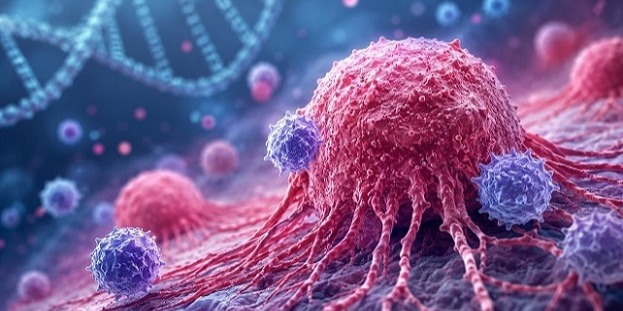
Why can SARS-CoV-2 infection pass almost unnoticed in one person while leaving another critically ill? New research suggests an important part of the answer may lie in the condition of the body’s natural killer cells and virus-specific T cells.
Scientists found that critically ill unvaccinated COVID-19 patients carried unusually high frequencies of immune cells displaying features associated with terminal differentiation, exhaustion, and senescence. The pattern was markedly different from the healthier immune profiles observed in people who remained asymptomatic.
 Critical COVID-19 was linked to distinctive exhaustion and senescence-related changes in NK cells and
SARS-CoV-2-specific CD8+ T cells
The researchers are from the Laboratory of Cellular and Molecular Immunology, Gavin Herbert Eye Institute, School of Medicine, University of California Irvine; Institute for Immunology, School of Medicine, University of California Irvine; and TechImmune, Inc., Irvine, California.
Scientists Compare Three Immune Profiles
The study examined 30 unvaccinated individuals: 10 with asymptomatic SARS-CoV-2 infection, 10 with critical symptomatic COVID-19, and 10 healthy donors who had never been infected.
Using multicolor flow cytometry, the scientists investigated natural killer (NK) cells and CD4+ and CD8+ T cells. They measured CD57, associated with terminal differentiation and T-cell senescence; PD-1, associated with exhaustion; CD38 and HLA-DR, indicating activation; and CD45RA and CCR7 to distinguish different T-cell memory populations.
As this
Thailand Medical News report highlights, the results suggest that understanding COVID-19 severity requires examining the functional state of antiviral immune cells rather than inflammation alone.
Natural Killer Cells Change in Critical Disease
NK cells provide rapid defenses against virally infected cells. Critically ill patients showed significantly reduced levels of immature CD56bright NK cells compared with healthy individuals.
Researchers also detected significantly increased CD57 expression among both CD56dim and CD56bright NK-cell subsets in symptomatic patients. In NK cells, CD57 is interpreted as a marker of terminal differentiation rather than senescence.
The findings therefore indicate substantial remodeling of an important frontline antiviral defense during critical COVID-19.
CD8+ T Cells Reveal a Striking Signature
Some of the clearest differences involved CD8+ T cells. Symptomatic patients had increased frequencies of CD57-positive CD8+ T cells. More importantly, scientists detected elevated CD57-positive CD8+ cells specifically recognizing the SARS-CoV-2 spike epitopes S1220–1228 and S958–966.
Further analysis revealed increased CD57-positive effector-memory CD8+ T cells and TEMRA cells in symptomatic patients. These terminally differentiated populations are associated with diminished proliferative capacity, potentially limiting the immune system&rsq
uo;s ability to sustain an effective antiviral response.
Critically ill patients also demonstrated significantly greater CD8+ T-cell activation through HLA-DR and CD38. Meanwhile, CD8+ cells simultaneously expressing CD57 and the exhaustion marker PD-1 were significantly increased compared with healthy donors.
Inflammation Does Not Tell the Whole Story
Researchers measured TNF-α, IFN-γ, IL-6, IL-8, and IL-17. These inflammatory cytokines were elevated in infected participants compared with healthy controls.
Surprisingly, however, cytokine profiles were not significantly different between asymptomatic and critically ill patients. This suggests that systemic inflammation alone may not explain why clinical outcomes become dramatically different.
Conclusions
The findings indicate that critical COVID-19 is associated with a convergence of terminally differentiated NK cells and activated, exhausted, and senescence-associated T-cell populations, particularly SARS-CoV-2-specific CD8+ memory cells. However, because the study was small and cross-sectional, these immune abnormalities should be considered correlates rather than proven causes of critical disease. Larger longitudinal studies are needed to determine whether they drive severe illness or develop as a consequence of prolonged viral and inflammatory pressure.
The study findings were published in the peer reviewed journal: Viruses.
https://www.mdpi.com/1999-4915/18/9/940
Read Also:
https://www.thailandmedical.news/articles/coronavirus




 Share
Share
 Tweet
Tweet
 Share
Share