Nikhil Prasad Fact checked by:Thailand Medical News Team Feb 23, 2025 1 year, 7 months, 1 week, 1 day, 18 hours, 55 minutes ago
Medical News: Glioblastoma is the most common and aggressive malignant brain cancer in adults. Despite advancements in medical science, treatment options remain limited. The standard approach includes surgical removal of the tumor, followed by radiation and chemotherapy. Unfortunately, even with these treatments, the prognosis remains poor, with high recurrence rates. A significant challenge in researching new therapies for glioblastoma is that it is difficult to detect the cellular effects of experimental drugs. This is because scientists are often limited to using imaging data and patient symptoms rather than direct cellular analysis.
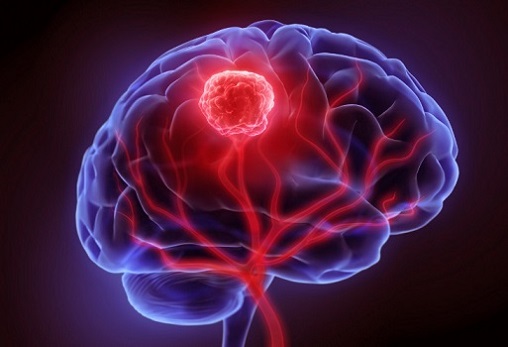 New Hope for Glioblastoma as Treatment with Navtemadlin Shows Promise
However, recent research conducted by scientists at the Dana-Farber Cancer Institute in Boston-USA has introduced a novel approach that could improve treatment outcomes. Their study focuses on navtemadlin, a drug that targets a specific cancer-related pathway, showing potential for enhancing existing therapies.
How Navtemadlin Works Against Glioblastoma
Navtemadlin is a type of drug known as an MDM2 inhibitor. It works by boosting the activity of a crucial protein called p53. This protein plays a vital role in regulating cell growth and inducing cell death when DNA damage is detected. Many glioblastoma tumors have an intact but inactive p53 protein, meaning that activating it could help kill cancer cells more effectively.
In laboratory experiments, navtemadlin demonstrated strong activity against glioblastoma cells that had a functioning, non-mutated p53. This
Medical News report reveals that researchers tested navtemadlin in a clinical trial where patients received the drug before undergoing surgery to remove their tumors.
The goal was to analyze how well the drug penetrated the tumor and its impact on cancer cells. The findings showed that navtemadlin effectively reached the tumor and activated the p53 pathway. However, despite this initial success, the tumors eventually relapsed, indicating the need for combination therapies.
Exploring Combination Therapies for Better Results
To address the relapse issue, the researchers analyzed tissue samples from patients who experienced recurrence. They developed patient-derived tumor models to further study the drug's effects and potential resistance mechanisms. Through these investigations, they discovered that combining navtemadlin with a DNA-damaging chemotherapy drug called temozolomide significantly improved cancer cell death rates.
Navtemadlin alone was effective in triggering tumor cell death, but when used alongside temozolomide, the results were even more promising. This combination appeared to increase apoptosis (programmed cell death) in glioblastoma cells while sparing healthy bone marrow cells, suggesting a safer and more effective approach. Additionally, further analysis indicated that navtemadlin treatment led to changes in certain cellular processes, such as upregulation of oligodendrocyte differentiation genes. The presenc
e of specific transcription factors in relapsed tumors pointed toward new mechanisms of resistance that require further study.
What These Findings Mean for Glioblastoma Patients
This research represents a crucial step in improving glioblastoma treatment. While navtemadlin alone showed some effectiveness, its impact was limited due to tumor relapse. However, the combination with temozolomide suggests a more durable treatment option, potentially extending survival rates for patients with recurrent glioblastoma.
The study also highlights the importance of understanding resistance mechanisms in cancer treatment. By identifying how glioblastoma cells adapt to therapies, scientists can develop better strategies to prevent or delay tumor regrowth. More research is needed to refine these findings and determine the best dosage and combination strategies for clinical use.
Although navtemadlin is not yet a cure, its ability to enhance existing treatments offers hope for patients facing this devastating disease. With continued studies and clinical trials, researchers aim to optimize treatment regimens that could significantly improve the quality of life and survival chances for those diagnosed with glioblastoma.
The study findings were published in the peer-reviewed journal: Science Translational Medicine.
https://www.science.org/doi/10.1126/scitranslmed.adn6274
For the latest on Glioblastoma, keep on logging to Thailand
Medical News.
Read Also:
https://www.thailandmedical.news/news/french-and-swiss-scientist-develop-engineered-natural-killer-cells-for-treating-glioblastoma
https://www.thailandmedical.news/news/covid-19-and-glioblastoma-onset
https://www.thailandmedical.news/news/doctors-warn-of-rising-cases-of-glioblastoma-multiforme-in-the-united-states
https://www.thailandmedical.news/news/citrus-peel-oils-as-potential-game-changers-in-brain-cancer-therapy
https://www.thailandmedical.news/pages/thailand_doctors_listings




 Share
Share
 Tweet
Tweet
 Share
Share

































