COVID-19 Long Haulers Face Ongoing Inflammation and Nerve Damage Driven by Tiny Cellular Vesicles
Nikhil Prasad Fact checked by:Thailand Medical News Team Mar 31, 2025 1 year, 6 months, 3 days, 21 hours, 15 minutes ago
Medical News: A groundbreaking new study has revealed how lingering symptoms in COVID-19 survivors may be caused by ongoing inflammation and nerve damage linked to microscopic carriers known as extracellular vesicles (EVs). The research was conducted by scientists from the Faculty of Medicine at the University of Seville, the Institute of Biomedicine of Seville (IBiS), Virgen del Rocío University Hospital, CSIC, Bermejales Physiotherapy Clinic, Heliopolis Nursing Home in Spain, and Lund University in Sweden.
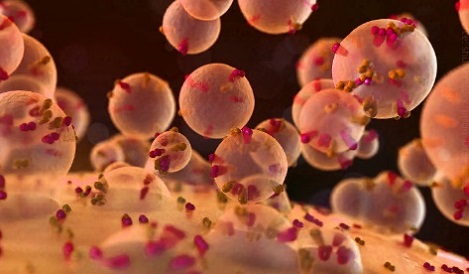 COVID-19 Long Haulers Face Ongoing Inflammation and Nerve Damage Driven by Tiny Cellular Vesicles
A large number of recovered individuals continue to experience troubling symptoms, collectively known as post-acute sequelae of SARS-CoV-2 infection or PASC. This
Medical News report sheds light on new evidence showing that these persistent symptoms could be fueled by changes in immune function and nerve cell health linked to EVs - tiny structures released by cells that transport proteins and genetic material.
Fifteen Months Later, Hidden Damage Lingers
To explore these long-term effects, the researchers analyzed blood samples from 20 individuals who had recovered from COVID-19 more than 15 months earlier and compared them to 13 healthy control participants. While the plasma samples from both groups showed no major differences, the extracellular vesicles in the COVID-19 group revealed troubling clues: they carried higher levels of proinflammatory cytokines and neurofilament proteins, markers associated with chronic inflammation and neural damage.
Immune System Still Disrupted After Recovery
Further immune profiling showed that monocytes - important immune cells - were unusually activated in those who had recovered from COVID-19. These monocytes produced excessive amounts of inflammatory molecules when exposed to a bacterial trigger known as lipopolysaccharide (LPS). CD4+ T-cells, another key immune cell type, also displayed abnormal activation levels. Meanwhile, dendritic cells had decreased expression of indoleamine 2,3-dioxygenase (IDO), an enzyme crucial for regulating immune responses and maintaining balance.
Evidence of Lingering Virus in the Colon
One of the most striking findings was the increased presence of a type of immune cell known as plasmacytoid dendritic cells (pDCs) expressing β7-integrin in the recovered patients. This marker is commonly linked to gut-related immune activity. Tissue samples from the colon of some patients still showed evidence of viral persistence, suggesting that the SARS-CoV-2 virus may not be fully cleared from the body in all individuals - even after more than a year.
Extracellular Vesicles Offer New Clues and Hope
The study’s authors suggest that EVs could serve as valuable indicators for early detection of long-term COVID-related complications, especially those affecting the brain and nervous system. By tracking the cargo of these microscopic messengers, researchers and docto
rs may one day be able to diagnose and even treat post-COVID conditions more effectively.
Conclusion Emphasizes the Need for Ongoing Monitoring
This research strongly indicates that many COVID-19 survivors continue to suffer from subtle but harmful changes in their immune and nervous systems. The long-term presence of inflammatory and neurodegenerative markers—especially within extracellular vesicles - points to a hidden aspect of the disease that standard blood tests might miss. These findings highlight the urgent need for continuous monitoring and support for those living with the long-term effects of COVID-19, as failing to address these underlying issues could lead to increased risk of chronic illness, disability, or reduced quality of life.
The study findings were published as an abstract in the peer reviewed Journal: Frontiers in Immunology.
https://www.frontiersin.org/journals/immunology/articles/10.3389/fimmu.2025.1501666/abstract
For the latest COVID-19 News, keep on logging to Thailand
Medical News.
Read Also:
https://www.thailandmedical.news/news/extracellular-vesicles-as-emerging-biomarkers-in-infectious-diseases
https://www.thailandmedical.news/news/covid-19-study-links-extracellular-vesicles-to-severe-outcomes
https://www.thailandmedical.news/news/study-reveals-role-of-extracellular-vesicles-in-covid-19
https://www.thailandmedical.news/articles/long-covid
https://www.thailandmedical.news/pages/thailand_doctors_listings




 Share
Share
 Tweet
Tweet
 Share
Share

































