Nikhil Prasad Fact checked by:Thailand Medical News Team Mar 25, 2026 5 months, 1 week, 1 day, 15 hours, 15 minutes ago
Medical News: A new scientific study is shedding light on a worrying link between environmental chemicals and autism-like brain changes—and more importantly, a possible way to counter the damage using a naturally occurring hormone. Researchers have found that melatonin may protect the developing brain from harmful effects caused by a widely used industrial chemical, offering new hope for prevention strategies.
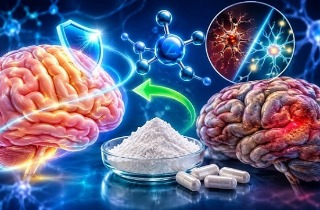
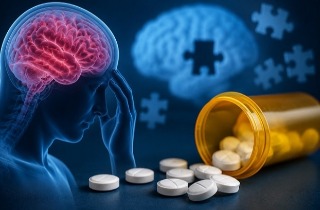
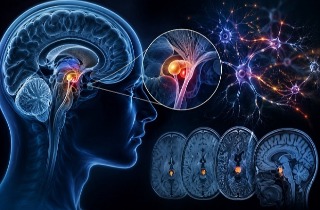
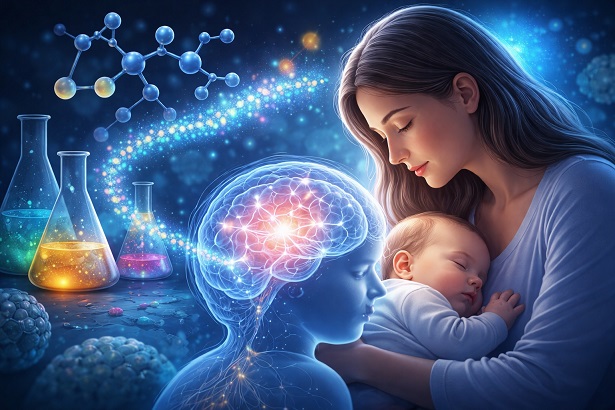 Melatonin may help protect developing brains from chemical exposure linked to autism-like changes
Rising Concerns Over Everyday Chemical Exposure
Melatonin may help protect developing brains from chemical exposure linked to autism-like changes
Rising Concerns Over Everyday Chemical Exposure
Autism spectrum disorder is a complex condition that affects behavior, communication, and learning. While genetics play a role, growing evidence shows that environmental chemicals can also influence brain development. One such chemical is decabromodiphenyl ether, often used as a flame retardant in electronics, furniture, and plastics.
In this
Medical News report, scientists explored how exposure to this chemical during pregnancy and early life could affect brain development. The research team was from the Department of Occupational and Environmental Health, School of Public Health, Jinzhou Medical University, China; the School of Public Health, Jinzhou Medical University, China; and the NHC Key Laboratory of Food Safety Risk Assessment at the Chinese Academy of Medical Sciences Research Unit and China National Center for Food Safety Risk Assessment, Beijing, China.
What the Study Did
The researchers conducted experiments using pregnant laboratory rats exposed to the chemical during pregnancy and breastfeeding. Some of the animals were also given melatonin, a hormone best known for regulating sleep but also recognized for its powerful antioxidant and protective effects in the brain.
The young offspring were later tested for behavior, memory, and brain function. Advanced laboratory techniques were also used to study what was happening inside brain cells, especially in structures called mitochondria—the “energy factories” of cells.
Clear Signs of Brain and Behavior Changes
The results were striking. Young rats exposed to the chemical showed clear autism-like behaviors. They were less social, had difficulty recognizing new companions, and showed weaker learning and memory abilities.
Tests similar to maze navigation revealed that these animals took longer to learn and remember locations, suggesting impaired cognitive function. According to findings described on page 9 of the study, their memory performance and ability to explore new environments were significantly reduced.
Damage Deep Inside Brain Cells
Beyond behavior, the researchers discovered serious disruptions inside brain cells. The mitochondria were damaged, producing less energy and showing signs of stress. Harmful molecules known as reactive oxygen species increased, while protective enzymes decreased.
This imbalance led to cell damage and even cell death in critical brain r
egions linked to learning and social behavior. The study also found reduced levels of important proteins needed for healthy brain connections.
Melatonin Shows Powerful Protective Effects
When melatonin was introduced, the results improved dramatically. Social behavior, memory, and learning abilities were partially restored. Brain cells showed healthier mitochondria, better energy production, and reduced oxidative stress.
The study revealed that melatonin works by activating protective pathways involving proteins called SIRT1 and SIRT3. These proteins help repair and maintain mitochondria, ensuring brain cells function properly. When these pathways were blocked, melatonin’s benefits disappeared, confirming their importance.
Why This Matters
This research highlights a critical issue—common environmental chemicals may quietly influence brain development, especially during pregnancy and early life. At the same time, it offers hope that simple interventions like melatonin could reduce some of these harmful effects.
However, experts caution that these findings are based on animal studies. More research is needed before applying these results directly to humans.
Conclusion
The findings provide compelling evidence that environmental toxins can disrupt brain development at both behavioral and cellular levels. At the same time, melatonin emerges as a promising protective agent that can restore brain function by repairing mitochondrial damage and reducing oxidative stress. These insights could pave the way for new preventive approaches, but careful human studies are still essential before any medical recommendations can be made.
The study findings were published in the peer reviewed journal: Antioxidants.
https://www.mdpi.com/2076-3921/15/3/405
For the latest on Autisms, keep on logging to Thailand
Medical News.
Read Also:
https://www.thailandmedical.news/articles/health-news
https://www.thailandmedical.news/articles/med-news




 Share
Share
 Tweet
Tweet
 Share
Share