Nikhil Prasad Fact checked by:Thailand Medical News Team Mar 24, 2026 4 months, 3 weeks, 5 days, 11 hours, 38 minutes ago
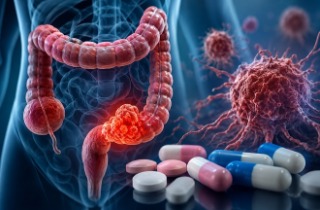
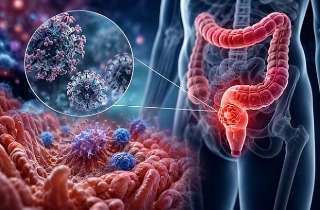
Medical News: A growing body of research is shedding new light on how beneficial gut bacteria could play a surprising role in fighting colorectal cancer. A new systematic review reveals that Lacticaseibacillus rhamnosus, a well-known probiotic, may possess powerful anticancer properties—at least in laboratory settings—offering hope for future therapeutic strategies.
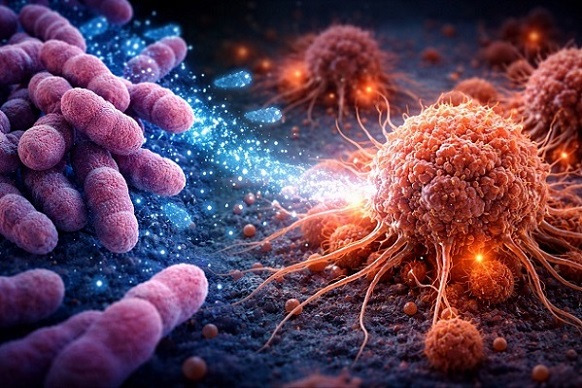 Common probiotic bacteria show promising ability to slow and destroy colon cancer cells in laboratory studies
Rising Interest in Gut Bacteria and Cancer
Colorectal cancer remains one of the leading causes of cancer-related deaths globally, with cases expected to rise significantly in the coming years. Scientists have increasingly turned their attention to the gut microbiome, which plays a critical role in digestion, immunity, and overall health.
In this context, probiotics—live microorganisms that provide health benefits—are being studied for their ability to influence cancer progression. Among them, Lacticaseibacillus rhamnosus has emerged as a promising candidate due to its ability to interact with immune responses and potentially suppress tumor growth.
What the Study Examined
The review analyzed 17 laboratory-based studies conducted on colorectal cancer cell lines. These studies explored different forms of the probiotic, including live bacteria, heat-killed cells, extracts, and bioactive compounds derived from the bacteria. This
Medical News report highlights how researchers focused exclusively on in vitro experiments, meaning all findings were observed in controlled lab environments rather than in humans.
The researchers involved were from RAK College of Medical Sciences, RAK Medical and Health Sciences University (UAE), University of Sharjah (UAE), and associated departments of anatomy, biochemistry, and pharmacology within the same academic network.
Key Findings That Stand Out
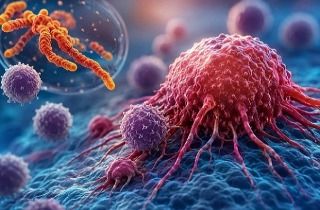
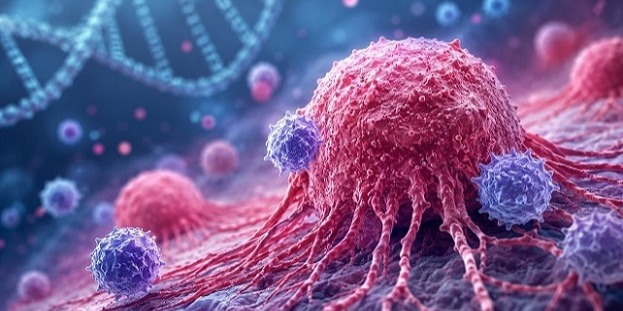
The findings revealed that Lacticaseibacillus rhamnosus consistently reduced the growth of colorectal cancer cells. In fact, 76.5 percent of the studies reported a clear reduction in cancer cell proliferation. Additionally, nearly 59 percent showed that the probiotic triggered apoptosis, a natural process where damaged or dangerous cells self-destruct.
Other notable effects included the ability to halt the cell cycle, preventing cancer cells from multiplying, and reducing the ability of these cells to spread or invade surrounding tissues. Some studies also showed that the probiotic disrupted key cancer-related signaling pathways, such as Wnt/β-catenin and p53, which are often linked to tumor growth.
Importantly, several experiments demonstrated selective toxicity, meaning the probiotic targeted cancer cells while leaving normal cells largely unharmed—a critical factor for future treatments.
How It Works Inside the Body
At a biological level, the probiotic appears to influenc
e several mechanisms simultaneously. It increases levels of proteins that promote cell death, such as Bax and caspases, while reducing proteins like Bcl-2 that help cancer cells survive. It also boosts reactive oxygen species, which can damage cancer cells, and alters immune signaling to create an environment less favorable for tumor growth.
Additionally, some forms of the probiotic reduced inflammation by lowering harmful cytokines while increasing protective ones. This dual action—targeting cancer cells directly while also modulating the immune system—makes it particularly intriguing for future therapies.
Limitations and What Comes Next
Despite the promising findings, researchers caution that all current evidence comes from laboratory studies. The experimental conditions varied widely, including differences in bacterial strains, dosages, and testing methods. These inconsistencies make it difficult to draw firm conclusions or predict how the probiotic would behave in real human patients.
There is also a lack of clinical trials to confirm these effects in living organisms. Scientists emphasize the need for more standardized research and advanced models that better replicate the human body.
Conclusion
While still in early stages, the research suggests that Lacticaseibacillus rhamnosus holds significant potential as a complementary approach in colorectal cancer treatment. Its ability to slow cancer growth, trigger cell death, and modulate immune responses highlights a multi-targeted strategy that conventional therapies often lack. However, translating these findings into real-world treatments will require rigorous clinical testing and validation to ensure safety, effectiveness, and consistency across different patient populations.
The study findings were published in the peer reviewed International Journal of Molecular Sciences.
https://www.mdpi.com/1422-0067/27/7/2944
For the latest on colon cancer, keep on logging to Thailand
Medical News.
Read Also:
https://www.thailandmedical.news/articles/cancer




 Share
Share
 Tweet
Tweet
 Share
Share