Nikhil Prasad Fact checked by:Thailand Medical News Team May 31, 2026 3 months, 2 days, 21 hours, 56 minutes ago
Medical News: A new hantavirus infection has been confirmed in Colorado, raising fresh concerns among public health officials and residents after another recent case in the state resulted in a death. Authorities in Arapahoe County have reported that a local resident tested positive for hantavirus but is fortunately recovering well. The case has once again highlighted the ongoing threat posed by rodent-borne diseases across parts of the United States.
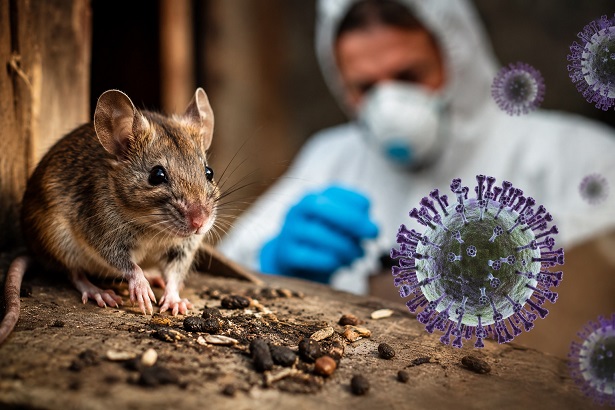 Colorado health officials confirm a new hantavirus infection as concerns grow over continued rodent-borne disease
risks in the state
According to Arapahoe County Public Health, the infected resident had known exposure to local rodents and had not recently traveled outside the area.
https://www.arapahoeco.gov/news_detail_T56_R1504.php
Officials also emphasized that the patient had no connection to the recent Andes hantavirus outbreak linked to passengers aboard the expedition vessel m/v Hondius and no known connection to the hantavirus-related death reported earlier this month in neighboring Douglas County.
What Is Hantavirus and Why Is It Dangerous?
Hantaviruses are a group of viruses naturally carried by rodents. While many people may never have heard of them, these viruses can cause severe and sometimes deadly illness in humans. Different hantavirus strains exist in different parts of the world.
In Colorado, the primary concern is the Sin Nombre hantavirus, a strain commonly carried by deer mice. Humans can become infected when they breathe in virus particles released from rodent urine, droppings, saliva, or contaminated nesting materials. Infection can also occur when contaminated materials are disturbed during cleaning activities.
Health officials stress that the Sin Nombre strain cannot spread from one person to another. This distinguishes it from the Andes hantavirus found in South America, which is currently the only hantavirus known to be capable of human-to-human transmission. Authorities have confirmed that Andes hantavirus does not naturally occur in North America and has never been detected in Colorado.
Colorado Continues to Record Cases
The newly reported infection marks the second confirmed hantavirus case in Colorado this year. Earlier in the month, a Douglas County resident died after contracting the Sin Nombre strain, underscoring the potentially lethal nature of the disease.
https://www.thailandmedical.news/news/american-health-authorities-report-fatal-hantavirus-case-in-colorado
Data from the Colorado Department of Public Health and Environment show that since surveillance began in 1993, Colorado has documented 132 confirmed cases of Sin Nombre hantavirus. Alarmingly, 47 of those cases proved fatal. The virus was first recognized in the Four Corners region during a major outbreak in 1993 and has remained an ongoing public health concern ever since.
Cases are most commonly
reported during spring and summer. Experts believe this seasonal pattern is linked to increased cleaning activities in garages, sheds, cabins, barns, and other structures where rodents may have nested during colder months.
Symptoms Can Escalate Quickly
One of the greatest dangers of hantavirus infection is that early symptoms often resemble common viral illnesses. Patients may initially experience fever, fatigue, headaches, muscle aches, nausea, vomiting, abdominal discomfort, or dizziness.
As the disease progresses, some individuals develop Hantavirus Pulmonary Syndrome (HPS), a severe condition in which fluid accumulates in the lungs. This can lead to breathing difficulties, respiratory failure, and death if not treated promptly. Early recognition and medical care can significantly improve outcomes.
This
Medical News report notes that public health experts continue to urge residents to take rodent infestations seriously, particularly in rural and suburban areas where deer mice populations are common.
Protecting Yourself from Infection
Health officials recommend preventing contact with rodents and avoiding direct exposure to their droppings, urine, saliva, and nesting materials. When cleaning areas that may contain rodent contamination, residents should avoid sweeping or vacuuming dry droppings, as this can release infectious particles into the air. Proper disinfection and protective measures are strongly encouraged.
The institutions involved in monitoring and reporting these cases include Arapahoe County Public Health and the Colorado Department of Public Health and Environment.
What Residents Should Know Going Forward
While hantavirus infections remain relatively rare, Colorado's latest case serves as a reminder that the threat remains present more than three decades after the virus was first identified in the region. The fact that nearly one-third of confirmed Colorado cases have been fatal demonstrates why health officials continue to monitor every infection carefully. Fortunately, the latest patient is recovering well, but the recent death in Douglas County highlights how quickly the disease can become life-threatening. Increased awareness, early symptom recognition, and proper rodent control measures remain the most effective tools for reducing future infections and preventing additional tragedies.
For the latest Hantavirus news, keep on logging to Thailand
Medical News.
Read Also:
https://www.thailandmedical.news/articles/hantavirus-news




 Share
Share
 Tweet
Tweet
 Share
Share