Nikhil Prasad Fact checked by:Thailand Medical News Team Jan 25, 2026 8 months, 1 week, 2 days, 21 hours, 6 minutes ago
Medical News: Understanding Why a Vital Hormone Organ Becomes a Cancer Safe Zone
Researchers are increasingly discovering that the adrenal glands, small hormone producing organs located above the kidneys, may play a surprising and troubling role in cancer spread and treatment resistance. While these glands are essential for producing stress hormones like cortisol and adrenaline, new scientific evidence suggests they may also create a protective environment that allows cancer cells to survive and grow, even when powerful modern immunotherapies are used. This
Medical News report highlights findings from a comprehensive scientific review that explores why cancers spreading to the adrenal glands often respond poorly to treatment.
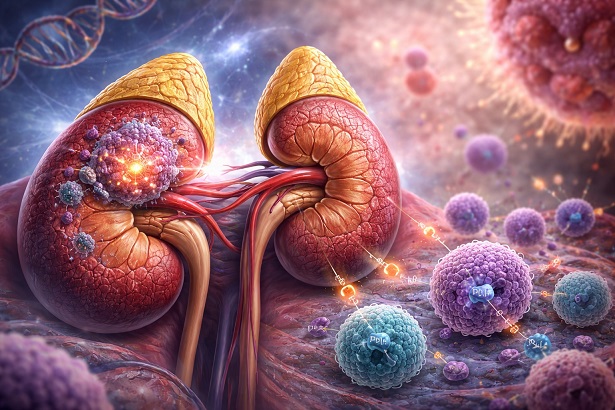 How hormone producing adrenal glands may quietly protect cancer from immune attack
Why Adrenal Metastases Are So Common and Dangerous
How hormone producing adrenal glands may quietly protect cancer from immune attack
Why Adrenal Metastases Are So Common and Dangerous
Metastatic tumors are actually the most common cancerous growths found in the adrenal glands. Cancers from the lungs, kidneys, skin melanoma, and colon frequently spread there, sometimes without causing any symptoms. Autopsy studies show that up to one quarter of people who die from cancer had adrenal metastases that were never detected while alive. When cancer reaches the adrenal glands as part of widespread disease, the overall outlook is usually poor. In rare cases where the adrenal gland is the only site of spread, surgery can extend survival. However, most patients have cancer in multiple organs, making surgery impossible and leaving doctors dependent on drugs such as immunotherapy.
Immunotherapy Works Elsewhere but Often Fails Here
Immunotherapy, especially immune checkpoint inhibitors, has transformed cancer care by helping the immune system recognize and attack tumors. Yet studies consistently show that tumors in the adrenal glands respond far less effectively than tumors in other organs. For example, melanoma patients with adrenal metastases have response rates as low as 16 percent, compared to more than 50 percent in patients without adrenal involvement.
This pattern has led scientists to believe the adrenal glands may act as an immune sanctuary site, meaning they naturally suppress immune attacks, unintentionally shielding cancer cells.
Hormones That Calm the Body May Also Calm the Immune System
The adrenal glands produce several hormones that strongly influence immunity. Cortisol, a glucocorticoid hormone, is known to reduce inflammation and suppress immune activity. While helpful for controlling stress and preventing excessive immune reactions, high local levels of cortisol may weaken cancer killing immune cells such as T-cells and natural killer cells.
Other adrenal hormones, including androgens and catecholamines like adrenaline, also appear to dampen immune responses or alter immune cell behavior in ways that favor tumor survival. Together, these hormone effects may create a local environment where cancer can grow with less interference from the immune system.
An Understudied Immune Environment
Surprisingly little research has been done on the immune landscape inside the adrenal glands themselves. Early studies suggest they contain many immune cells, especially macrophages, but these cells may be programmed to reduce inflammation rather than fight tumors. The gland’s rich blood supply and unique tissue structure may further influence how immune cells behave once cancer arrives.
Conclusions and Future Directions
The findings strongly suggest that the adrenal gland microenvironment plays a major role in helping metastatic cancers resist immunotherapy. Understanding how adrenal hormones, immune cells, and local tissue features interact could lead to new strategies that combine immunotherapy with hormone modulation or targeted local treatments. More focused research is urgently needed, as unlocking this mystery could improve outcomes for many patients with advanced cancer and redefine how adrenal metastases are treated in the future.
The study findings were published in the peer reviewed International Journal of Molecular Sciences.
https://www.mdpi.com/1422-0067/27/3/1153
For the latest cancer research, keep on logging to Thailand
Medical News.
Read Also:
https://www.thailandmedical.news/articles/cancer




 Share
Share
 Tweet
Tweet
 Share
Share

































