Nikhil Prasad Fact checked by:Thailand Medical News Team Jun 25, 2026 1 month, 2 weeks, 1 day, 13 hours, 53 minutes ago
Medical News: Scientists Warn That COVID-19 May Continue Affecting the Heart Long After Recovery
A growing body of scientific evidence suggests that COVID-19 may continue harming the body long after the initial infection has cleared. A new review has found that lingering SARS-CoV-2 viral material may keep the immune system in a constant state of activation, potentially increasing the risk of sudden heart failures and life-threatening blood clots months or even years after recovering from COVID-19.
 Scientists warn that lingering SARS-CoV-2 may continue damaging the heart and blood vessels long
after COVID-19 recovery, increasing the risk of sudden heart failures
The review was carried out by researchers from the Faculty of Medicine at "Vasile Goldis" Western University of Arad, the "Victor Babes" University of Medicine and Pharmacy in Timisoara, the Timisoara Institute of Legal Medicine, the Ethics and Human Identification Research Center, and the University of Oradea, all in Romania.
Viral Remnants May Stay Inside the Body
The researchers analyzed 78 peer-reviewed scientific studies published between January 2020 and December 2025 to better understand how SARS-CoV-2 affects the cardiovascular system after the acute infection has ended.
One of the most important findings was that pieces of the virus, including viral RNA, spike protein and other viral antigens, have been detected in the heart, blood vessels, brain and several other organs months after the initial infection. While finding these viral remnants does not necessarily mean the virus is still actively reproducing, their continued presence may be enough to trigger ongoing inflammation and immune responses.
Some studies reviewed even detected viral genetic material in heart tissue more than seven months after symptoms first appeared, while circulating spike protein has been found in some long COVID patients up to a year after infection.
Long-Term Damage to Blood Vessels and the Heart
According to the researchers, SARS-CoV-2 is capable of infecting heart muscle cells, tiny blood vessel support cells called pericytes, and the cells lining blood vessels by attaching to ACE2 receptors. This may damage the heart directly while also disrupting the normal function of blood vessels throughout the body.
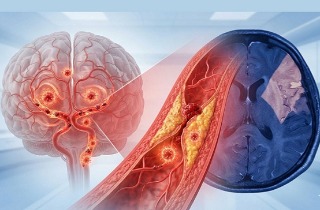
The review found that persistent endothelial dysfunction, excessive immune activation, abnormal platelet activity, complement activation and chronic thromboinflammation can create conditions that increase the risk of dangerous blood clots and abnormal heart rhythms.
Researchers also highlighted evidence showing that the virus may contribute to injury of mitochondria, the tiny structures that produce energy inside heart cells. Damaged mitochondria can weaken heart muscle cells, making them more vulnerable to stress and potentially increasing the likelihood of sudden cardiac events.
This
Medical News report also found that researc
hers are paying increasing attention to tiny fibrin-rich microclots that have been observed in some long COVID patients. Although their exact role remains under investigation, these abnormal clots may interfere with normal blood flow and trap inflammatory proteins, allowing inflammation to persist.
Population Studies Reveal Ongoing Cardiovascular Risks
The review also summarized findings from several large population studies involving millions of people. These studies consistently found that individuals who had COVID-19 faced a higher risk of heart failure, abnormal heart rhythms, pulmonary embolism, deep vein thrombosis and other cardiovascular complications long after the acute infection.
Researchers noted that excess cardiovascular deaths remained above expected levels in several countries even after the main waves of the pandemic had subsided. Autopsy studies further revealed recurring evidence of tiny blood clots, injury to heart muscle cells, inflammation of small blood vessels and structural damage to heart tissue. Interestingly, classic viral myocarditis was found to be relatively uncommon, suggesting that persistent inflammation, vascular injury and clotting abnormalities may play a much larger role in many sudden heart failures than previously believed.
More Research and Better Monitoring Are Needed
The researchers believe that standardized autopsy investigations, molecular testing and long-term patient monitoring are essential to determine exactly how lingering SARS-CoV-2 contributes to sudden heart failures and fatal pulmonary blood clots. They also emphasize that viral persistence is only one possible explanation for long COVID, with immune dysfunction, autonomic nervous system abnormalities, chronic inflammation and mitochondrial injury also likely contributing to ongoing illness.
The researchers concluded that mounting scientific evidence strongly suggests lingering SARS-CoV-2 viral material may continue affecting the cardiovascular system well after the initial infection has resolved. Although several biological mechanisms still require further confirmation, the accumulated evidence indicates that persistent inflammation, blood vessel dysfunction and abnormal clotting deserve far greater clinical attention, making continued research and long-term monitoring essential for preventing avoidable cardiovascular complications.
The study findings were published in the peer reviewed journal: Microorganisms.
https://www.mdpi.com/2076-2607/14/6/1256
For the latest COVID-19 news, keep on logging to Thailand
Medical News.
Read Also:
https://www.thailandmedical.news/articles/coronavirus
https://www.thailandmedical.news/articles/long-covid




 Share
Share
 Tweet
Tweet
 Share
Share