Nikhil Prasad Fact checked by:Thailand Medical News Team Dec 11, 2025 9 months, 3 weeks, 2 days, 19 hours, 11 minutes ago
Medical News: How a Fat Hormone Might Help the Brain
Researchers from the University of Dundee in the United Kingdom have found that leptin, a hormone made by body fat, could become a powerful tool in fighting Alzheimer's disease. The hormone, which helps regulate hunger and weight, appears to have surprising benefits for brain health—especially in protecting against memory loss and damage caused by Alzheimer’s.
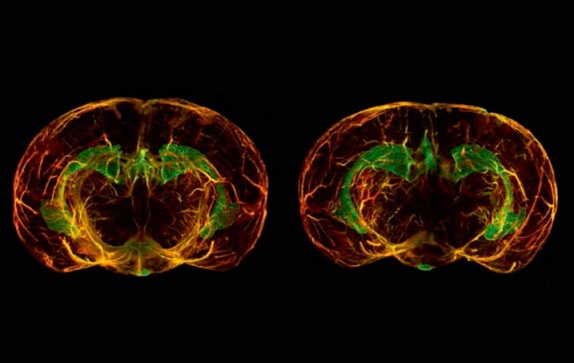 Leptin could offer protection against memory loss and brain damage in Alzheimer’s patients according to new findings.
This
Medical News report reveals that leptin can improve memory, strengthen brain connections, and even prevent harmful changes triggered by toxic proteins such as amyloid beta and tau—both of which play key roles in Alzheimer’s. Studies using mice and cells showed that leptin helps keep brain cells alive, improves communication between neurons, and even reduces the buildup of toxic plaques.
Leptin Protects the Memory Center of the Brain
The hippocampus, a key part of the brain responsible for memory, is one of the first areas damaged in Alzheimer’s disease. Leptin acts directly on this region to improve how brain cells talk to each other. It increases the movement of critical glutamate receptors—proteins that help pass messages in the brain—and boosts synaptic plasticity, which is vital for learning and forming memories.
Even more promising is leptin’s ability to stop damage before it happens. In lab studies, leptin blocked the harmful effects of amyloid beta, which is known to reduce memory function by removing important receptors from brain cells. Leptin also prevents tau, another toxic protein in Alzheimer’s, from entering synapses and destroying them.
Targeting Alzheimer Early with Leptin
Leptin not only protects brain cells but also supports their survival by improving mitochondrial function, reducing cell death, and preventing inflammation. In animal models, giving leptin or related compounds helped restore memory and reversed signs of Alzheimer’s damage.
Importantly, smaller pieces of leptin—like leptin116–130 and even smaller fragments—were shown to have the same benefits as the full hormone. These fragments can easily reach the brain and may be used to develop future drugs. Leptin-based treatments have already been tested safely in other diseases, and they show potential for Alzheimer’s—especially in patients with naturally low leptin levels.
Future Use and Limitations
While the evidence is strong, researchers caution that not everyone will benefit. People with obesity often develop leptin resistance, which could reduce the hormone’s effectiveness. Future treatments may focus on creating leptin-based drugs that target only the brain without causing side effects.
This study offers hope for a new kind of Alzheimer treatmen
t that works by supporting brain function and preventing early damage. If future clinical trials confirm these findings, leptin-based therapies could become a breakthrough in treating this devastating disease.
The study findings were published in the peer reviewed journal: Biomedicines.
https://www.mdpi.com/2227-9059/13/12/2969
For the latest on neurodegenerative diseases, keep on logging to Thailand
Medical News.
Read Also:
https://www.thailandmedical.news/articles/alzheimer,-dementia-




 Share
Share
 Tweet
Tweet
 Share
Share

































