Nikhil Prasad Fact checked by:Thailand Medical News Team May 13, 2026 3 months, 2 weeks, 6 days, 21 hours, 17 minutes ago
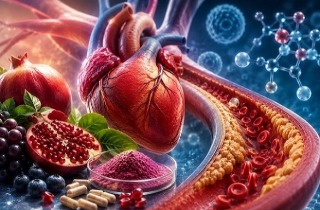
Medical News: Scientists are uncovering a surprising biological link showing how emotional stress, brain injury, and immune reactions may silently inflame the heart’s smallest blood vessels and increase the risk of serious cardiovascular disease. A new comprehensive review has revealed that special immune cells known as mast cells may act as dangerous messengers between the brain and heart, helping drive inflammation, artery damage, heart rhythm problems, and even heart failure. At the same time, researchers found that natural plant compounds called flavonoids may help calm this harmful process.
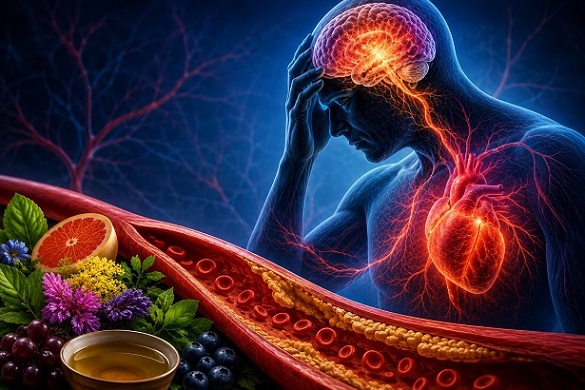 Scientists discover how stress-driven immune reactions may inflame blood vessels and silently increase the
risk of heart disease
The research was conducted by scientists from the Department of Natural Sciences at Deree—The American College of Greece in Athens, the Institute for Neuro-Immune Medicine at Nova Southeastern University in Clearwater, Florida, and the Department of Immunology at Tufts University School of Medicine in Boston, Massachusetts.
Tiny Immune Cells with a Big Impact
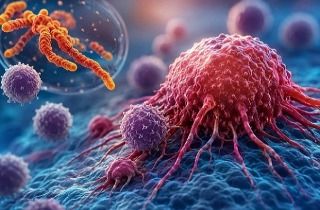
Mast cells are usually known for their role in allergies, but researchers say these cells are also deeply involved in inflammation affecting blood vessels and the heart. These cells sit close to nerves and blood vessels, allowing them to react rapidly to physical or emotional stress.
When activated, mast cells release powerful chemicals including histamine, tryptase, cytokines, and inflammatory proteins. These substances can cause blood vessels to narrow or leak, trigger swelling, attract inflammatory cells, and damage tissues.
Researchers found that mast cells are heavily involved in coronary artery disease, atherosclerosis, heart fibrosis, arrhythmias, and inflammatory heart conditions. Elevated levels of mast cell enzymes such as tryptase were linked with worsening coronary artery disease and plaque instability.
The Heart and Brain Are Constantly Communicating
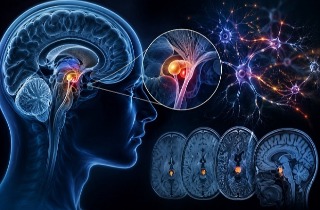
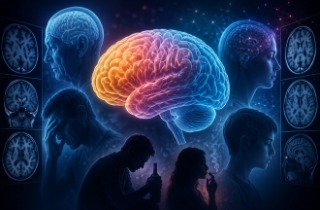
One of the most important findings in the review involves what scientists call the “heart-brain axis.” Stress signals originating in the brain can directly activate mast cells in the heart through hormones and neuropeptides such as corticotropin-releasing hormone (CRH), neurotensin, and urocortin.
Under severe stress, the hypothalamus in the brain releases CRH. This hormone activates mast cells in the coronary arteries, causing the release of inflammatory chemicals that may damage the heart’s microvasculature.
The review explains that stress-induced mast cell activation can worsen inflammation in people already vulnerable to cardiovascular disease. In animal studies, acute stress caused major mast cell degranulation and histamine release in the heart, especially in subjects prone to atherosclerosis.
Researchers also discovered that traumatic brain injury and chronic nervous system imbalance may further intensify this harmful inflammatory loop. Conditions like atrial fibrillation and chronic stress appear to strengthen the dangerous communication pathway between the brain and heart.
/>
This
Medical News report highlights that mast cells may even produce their own CRH, creating a self-sustaining inflammatory cycle that continues damaging blood vessels and heart tissues long after the original trigger.
COVID-19 and Long COVID May Involve Mast Cells
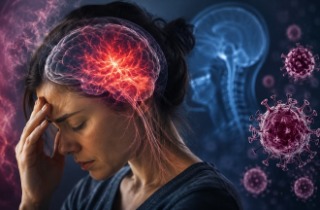
The review also examined evidence suggesting that mast cell activation could play a major role in COVID-19-related heart complications and Long COVID symptoms.
Scientists noted that mast cells can worsen inflammation in both the nervous system and cardiovascular system. Histamine released from mast cells may trigger coronary artery constriction, reducing oxygen supply to heart muscle cells and potentially contributing to cardiomyopathy and chest pain seen in some COVID-19 patients.
The researchers believe mast cell-driven inflammation may also contribute to nervous system dysfunction, blood-brain barrier disruption, chronic fatigue symptoms, and lingering cardiovascular problems after viral infections.
Natural Flavonoids Show Promise
The researchers identified flavonoids as one of the most promising natural approaches for reducing mast cell-driven inflammation. Flavonoids are plant compounds commonly found in fruits, vegetables, tea, and medicinal herbs.
Compounds including quercetin, luteolin, apigenin, hesperidin, fisetin, and resveratrol were found to suppress mast cell activation and block the release of inflammatory mediators. Some flavonoids also appeared to reduce oxidative stress and stabilize blood vessel integrity.
Importantly, flavonoids may interfere with the same stress-triggered signaling pathways that connect the brain to inflammatory reactions in the heart. Researchers believe this could make them valuable for preventing progression of cardiovascular disease linked to chronic stress and inflammation.
However, scientists cautioned that problems involving absorption, dosage standardization, and bioavailability still limit widespread clinical use.
Conclusions
The findings from this major review suggest that cardiovascular disease may involve far more than cholesterol buildup alone. Chronic stress, brain signaling, immune activation, and inflammation appear to work together in ways that can silently damage the heart over time. Mast cells are emerging as central players in this process, acting as inflammatory bridges between the nervous system and cardiovascular system. Researchers believe that targeting mast cells and stress-related inflammatory pathways may open entirely new approaches for preventing heart disease, arrhythmias, and chronic vascular damage. Natural flavonoids could become part of future therapies, especially when combined with treatments that reduce stress and inflammation simultaneously.
The study findings were published in the peer reviewed journal: Biomedicines.
https://www.mdpi.com/2227-9059/14/5/1073
For the latest on heart care, keep on logging to Thailand
Medical News.
Read Also:
https://www.thailandmedical.news/articles/cardiology
https://www.thailandmedical.news/articles/herbs-and-phytochemicals




 Share
Share
 Tweet
Tweet
 Share
Share