Nikhil Prasad Fact checked by:Thailand Medical New Team Jul 13, 2026 1 month, 2 weeks, 6 days, 16 hours, 52 minutes ago
Medical News: Large Analysis Uncovers Common Immune Response in Brain Support Cells
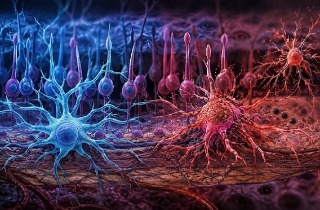
Scientists from Pontificia Universidad Javeriana, Bogotá D.C., Colombia, and FICMAC, Bogotá, Colombia, have identified a recurring inflammatory genetic signature in astrocytes, specialized brain cells that support and protect neurons. Their findings suggest these cells react in remarkably similar ways to many different inflammatory triggers, offering fresh insights into neurological diseases. This
Medical News report highlights research that may improve future strategies for tackling chronic brain inflammation.
 Scientists identify a shared inflammatory genetic program in astrocytes that could reshape understanding of
chronic brain diseases
Combining Data from Multiple Studies
The researchers performed a large-scale meta-analysis by systematically reviewing transcriptomic datasets from the NCBI GEO and ENA databases. They combined results from 11 RNA sequencing studies involving 153 samples, including 91 stimulated astrocyte samples and 62 healthy controls.
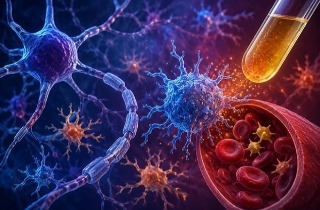
The astrocytes had been exposed to inflammatory cytokines such as TNF-α, IL-6, and IL-1β, the saturated fatty acid palmitic acid, and infectious agents including SARS-CoV-2 and Borrelia burgdorferi, the bacterium responsible for Lyme disease. By integrating data from multiple studies, the team was able to identify consistent genetic changes that individual studies might have missed.
Shared Inflammatory Genes Identified
The analysis revealed 130 differentially expressed genes, with 125 becoming more active and only five showing reduced activity. Many of these genes were linked to powerful immune pathways, including interferon responses, cytokine signaling, and NF-κB activation, all of which help regulate inflammation.
The researchers also identified five key hub genes—CXCL10, DDX58, IFIH1, IL-1β, and TLR3—that appear to coordinate much of the inflammatory response inside astrocytes. Notably, DDX58 and IFIH1 remained consistently elevated regardless of the trigger, suggesting astrocytes adopt a common "reactive" inflammatory state whenever they encounter immune stress.
Why These Findings Matter
Astrocytes have long been viewed mainly as supportive brain cells, but these findings reinforce their active role in controlling immune responses within the central nervous system. While inflammatory pathways such as NF-κB help defend the brain and support normal functions like learning and synaptic plasticity, prolonged activation may instead fuel chronic neuroinflammation linked to disorders including Alzheimer's disease, Parkinson's disease, multiple sclerosis, and viral neurological complications. The newly identified gene signature could eventually serve as a valuable biomarker for monitoring brain inflammation and may also provide new molecular targets for therapies designed to reduce harmful inflammation without disrupting the bra
in's essential protective immune functions.
The study findings were published as an abstract in the peer reviewed journal: Frontiers in Cellular Neuroscience.
https://www.frontiersin.org/journals/cellular-neuroscience/articles/10.3389/fncel.2026.1870142/abstract
For the latest on Brain Diseases, keep on logging to Thailand
Medical News.
Read Also:
https://www.thailandmedical.news/articles/alzheimer,-dementia-




 Share
Share
 Tweet
Tweet
 Share
Share