Nikhil Prasad Fact checked by:Thailand Medical News Team Jul 15, 2026 1 month, 2 weeks, 4 days, 18 hours, 39 minutes ago
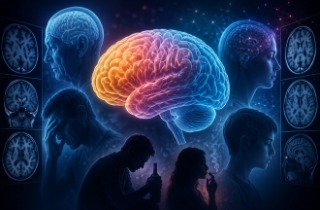
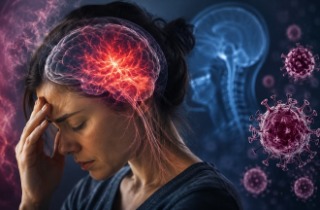
Medical News: Scientists in South Africa have uncovered compelling evidence that two well-known medicinal plants, Leonotis leonurus (wild dagga) and Mentha longifolia (wild mint), may hold promise for future depression treatments. Although the findings are based on advanced computer modeling rather than human or animal trials, the research highlights how natural plant compounds could interact with multiple biological pathways linked to depression.
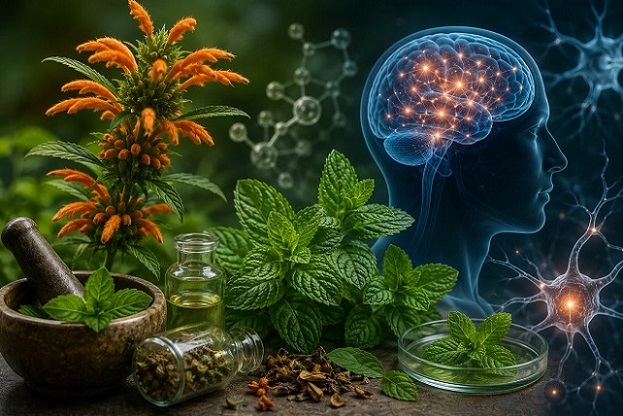 Computer-based research suggests wild dagga and wild mint contain natural compounds that may target several
key biological pathways involved in depression
The research was conducted by scientists from North-West University and Durban University of Technology, South Africa, including researchers affiliated with the Centre of Excellence in Indigenous Knowledge Systems and the South African Research Chairs Initiative in Indigenous Knowledge-Driven Medicinal Plants Utilisation and Conservation Strategies for Human, Animal, Crop Health.
Looking Beyond Conventional Antidepressants
Current antidepressants help many people but often take weeks to work and may cause unwanted side effects. Scientists are increasingly exploring medicinal plants that have long been used in traditional medicine to determine whether they contain compounds capable of influencing the brain in safer or more effective ways.
The researchers analyzed the chemical makeup of wild dagga and wild mint using advanced laboratory techniques before applying network pharmacology, molecular docking, and molecular dynamics simulations to predict how the plant compounds interact with proteins involved in depression.
Multiple Plant Compounds Target Depression Pathways
Researchers identified 20 bioactive compounds in wild dagga and 15 compounds in wild mint. Many belonged to flavonoids and phenolic acids, plant chemicals already known for antioxidant and anti-inflammatory properties.
This
Medical News report highlights that the computer analysis revealed both plants acted on numerous depression-related targets rather than a single protein.
Wild dagga showed activity involving serotonin transporter protein SLC6A4, monoamine oxidases MAOA and MAOB, and the inflammatory enzyme PTGS2. These proteins regulate serotonin, dopamine, inflammation, and communication between nerve cells.
Wild mint mainly targeted dopamine-related proteins including DRD3, DRD4, GSK3β, COMT, and AKT1, all of which play important roles in mood regulation, motivation, emotional processing, and brain cell survival.
Several natural compounds produced exceptionally strong predicted binding. In wild dagga, baicalin, procyanidin B5, and chrysoeriol demonstrated stronger predicted interactions with important depression-related targets than the commonly prescribed antidepressant fluoxetine. In wild mint, salvianolic acid A, rosmarinic acid, quercetin 3-galactoside, and chlorogenic acid also displayed impressive binding strengths.
;
Stable Interactions Offer Encouraging Clues
The molecular simulations suggested these compounds remained stably attached to their target proteins over time. Researchers believe this stability may allow them to influence serotonin and dopamine signaling while also reducing harmful inflammation and supporting neuroplasticity—the brain's ability to adapt and form new connections.
The study also suggested that several compounds may work simultaneously on multiple pathways, an advantage because depression involves complex changes in brain chemistry rather than a single malfunction.
However, the scientists emphasized important limitations. These findings are entirely computational, meaning laboratory experiments, animal studies, and eventually human clinical trials are still required. They also noted that promising compounds such as baicalin and procyanidin B5 have poor oral bioavailability, meaning future formulations may be needed to improve absorption.
Conclusion
The findings indicate that wild dagga and wild mint contain several naturally occurring compounds capable of simultaneously targeting serotonin, dopamine, inflammation, and neuroplasticity pathways associated with depression. While these promising results cannot yet be considered proof that either plant treats depression, they provide a strong scientific foundation for future laboratory and clinical research that could eventually lead to new plant-derived antidepressant therapies or complementary treatment options.
The study findings were published in the peer reviewed journal: In Silico Pharmacology.
https://link.springer.com/article/10.1007/s40203-026-00689-2
For the latest on herbs and phytochemicals, keep on logging to Thailand
Medical News.
Read Also:
https://www.thailandmedical.news/articles/herbs-and-phytochemicals
https://www.thailandmedical.news/articles/mental-health




 Share
Share
 Tweet
Tweet
 Share
Share