Nikhil Prasad Fact checked by:Thailand Medical News Team Jan 22, 2026 8 months, 1 week, 6 days, 7 hours, 39 minutes ago
Medical News: A new laboratory study has revealed that a naturally occurring plant compound found in many everyday foods may help calm harmful inflammation by blocking key biological signals inside immune cells. The research focuses on stigmasterol, a plant sterol commonly present in vegetables, nuts, seeds, and plant oils, and its ability to reduce the production of a powerful inflammatory substance linked to asthma and other chronic conditions.
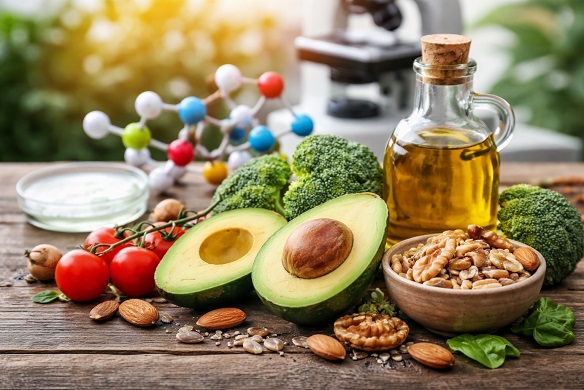 Natural food-based compound found to switch off harmful inflammation signals in immune cells
Why Inflammation Matters
Natural food-based compound found to switch off harmful inflammation signals in immune cells
Why Inflammation Matters
Inflammation is the body’s natural defense response, but when it becomes excessive or long lasting, it can contribute to serious diseases such as asthma, chronic lung disorders, arthritis, and even certain cancers. One molecule known to worsen inflammation is oncostatin M, a protein released in large amounts by neutrophils, which are white blood cells that rush to sites of infection or injury. High levels of oncostatin M have been found in people with severe inflammatory airway diseases and are known to damage tissue barriers and prolong inflammation.
What the Researchers Studied
Scientists from Kyung Hee University in Seoul, Republic of Korea, including the College of Korean Medicine, the Korean Medicine Based Drug Repositioning Cancer Research Center, the Department of Anatomy and Information Sciences, the Department of Preventive Medicine, and the Center for Converging Humanities, examined how the phytochemical stigmasterol affects inflammation at the cellular level. They used neutrophil like immune cells grown in the laboratory and stimulated them with a substance that normally triggers strong inflammatory reactions.
How Stigmasterol Works
The researchers found that when the cells were exposed to stigmasterol before being stimulated, the production of oncostatin M dropped significantly. This effect occurred at both the genetic level, where the instructions for making the inflammatory protein were reduced, and at the protein level, where less of the harmful substance was actually released.
Further analysis showed that stigmasterol works by blocking a major internal signaling route inside immune cells known as the PI3K/Akt/NF-kappa-B pathway. This pathway acts like an on switch for inflammation. When it is activated, cells release a cascade of inflammatory chemicals. Stigmasterol effectively turned down this pathway, preventing key proteins from becoming activated and stopping inflammatory signals from reaching the cell nucleus.
Why This Is Important
By interrupting this signaling process, stigmasterol reduced inflammation without killing the cells, suggesting it may be a safer option than some existing anti-inflammatory drugs. Importantly, the doses used in the study were within levels that could potentially be achieved through diet or supplementation, according to previous research.
This
Medical News report highlights that neutrophils are now recognized as major drivers
of chronic inflammation in diseases such as asthma, and targeting them could offer new treatment strategies. Natural compounds like stigmasterol may provide a gentler way to manage inflammation while avoiding many side effects associated with steroids or immune suppressing medications.
Conclusions
The study concludes that stigmasterol has strong potential as a natural anti-inflammatory agent because it directly reduces the production of oncostatin M by blocking critical inflammatory signaling pathways. While these findings are based on laboratory cell models, they provide a solid scientific foundation for future animal and human studies to explore stigmasterol as a preventive or supportive therapy for chronic inflammatory diseases affecting the lungs and other organs.
The study findings were published in the peer reviewed journal: Biomedicines.
https://www.mdpi.com/2227-9059/14/1/220
For the latest on Herbs and Phytochemicals, keep on logging to Thailand
Medical News.
Read Also:
https://www.thailandmedical.news/articles/herbs-and-phytochemicals




 Share
Share
 Tweet
Tweet
 Share
Share

































