Nikhil Prasad Fact checked by:Thailand Medical News Team Aug 09, 2026 48 minutes ago
Researchers investigating natural approaches to excessive inflammation during respiratory viral infections have found that extracts of Cistus incanus and Rosmarinus officinalis, commonly known as rosemary, strongly reduced inflammatory responses in human lung cells subjected to an Influenza A-like laboratory challenge.
 Cistus and rosemary extracts sharply reduced inflammatory signals in human lung cells exposed to an Influenza A
mimicry system
The findings are particularly interesting because excessive inflammation can worsen respiratory viral disease. However, the researchers stressed that this was a laboratory cell study using an Influenza A mimicry system and not an experiment involving actual Influenza A virus or human patients.
Researchers Tested Ten Herbal Preparations
The research team included scientists from the Department of Internal Medicine II, Centre for Complementary Medicine, Medical Center–University of Freiburg, Faculty of Medicine, University of Freiburg, Germany; Skin Biology, Department of Dermatology, University of Basel, Switzerland; and Pharmaceutical Biology, Department of Pharmaceutical Sciences, University of Basel, Switzerland.
Researchers tested ten different herbal extracts and preparations on A549 human lung epithelial cells. These cells were exposed to interferon-alpha together with ssPolyU and loxoribine, substances that activate the TLR7 and TLR8 immune-sensing pathways involved in recognizing single-stranded RNA viruses.
This produced a strong inflammatory state designed to reproduce important features of the response seen with respiratory RNA viruses, particularly Influenza A.
Cistus and Rosemary Produced the Strongest Results
Of the ten preparations examined, only Cistus incanus and rosemary showed substantial anti-inflammatory activity at concentrations determined to be non-toxic in the experimental system.
The results were striking. Both extracts significantly reduced the release of numerous cytokines and chemokines, which are chemical messengers used by cells to coordinate inflammation and immune responses.
These included IL-6, TNF-alpha, IP-10, IFN-lambda1, IL-8, IL-12p70, IFN-lambda2/3, GM-CSF, IFN-beta, IL-10 and IFN-gamma. Many were reduced toward approximately the levels found before the powerful virus-like inflammatory stimulation.
This Thailand
Medical News report notes that this broad reduction is important because excessive production of inflammatory messengers can contribute to lung damage during serious viral respiratory infections.
Key Inflammatory Pathways Were Suppressed
The researchers then examined what was happening inside the cells at the genetic level. Cistus incanus treatment downregulated 64 genes in stimulated cells, while rosemary treatment downregulated 47.
Among the affected genes were CCL5, CXCL10, IL-6, CCL3, CCL20, CSF2 and TNFAIP3, all connected in different ways with inflammation and immune signaling.
Further analysis indicated that the extracts influenced several major inflammatory networks, including NF-kappa B, MAPK and JAK/STAT signaling. NF-kappa B is particularly important because it functions like a molecular control switch capable of activating numerous inflammatory genes.
The researchers also found decreased expression of genes associated with apoptosis and necrosis, two forms of cell death that can contribute to lung tissue damage during viral infections.
Antiviral Defenses Appeared Largely Preserved
One especially noteworthy finding was that reducing inflammatory signaling did not appear to suppress two important antiviral proteins, OASL and IFIT2.
Both proteins increased following virus-like stimulation, yet their protein levels remained largely unchanged after treatment with the two plant extracts. This suggests the extracts may preferentially dampen excessive inflammatory signaling while leaving parts of the interferon-driven antiviral response intact.
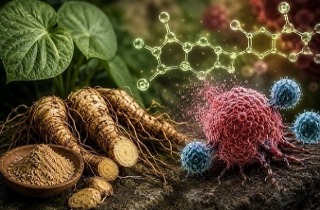
Chemical analysis showed that Cistus incanus contained gallic acid, ellagitannins and flavonoids. Rosemary contained substantial rosmarinic acid along with several flavonoids, compounds that could contribute to the observed biological effects.
Conclusions
The findings suggest that Cistus incanus and rosemary can strongly suppress multiple inflammatory responses generated by an Influenza A mimicry system while leaving certain important antiviral proteins largely unaffected. However, the study used a single laboratory cell line, did not involve live Influenza A virus, and used a rosemary concentration higher than levels normally expected in the body. Clinical studies and live-virus experiments are therefore necessary before these extracts can be considered treatments for Influenza A or other respiratory viral infections.
The study findings were published in the peer reviewed South African Journal of Botany.
https://www.sciencedirect.com/science/article/pii/S0254629926003972
Read Also:
https://www.thailandmedical.news/articles/herbs-and-phytochemicals
https://www.thailandmedical.news/articles/influenza-or-flu




 Share
Share
 Tweet
Tweet
 Share
Share