Nikhil Prasad Fact checked by:Thailand Medical News Team Dec 23, 2025 6 months, 4 weeks, 2 days, 21 hours, 19 minutes ago
Medical News: Although COVID-19 is now often described as less severe than during the early pandemic years, many people continue to experience lingering health problems. Scientists are increasingly questioning whether the immune response itself could be contributing to these long-term effects. In particular, there is concern that certain antibodies produced during infection may mistakenly attack the body’s own tissues. This
Medical News report examines new research that closely investigated this possibility by focusing on antibodies directed against the SARS-CoV-2 nucleocapsid protein.
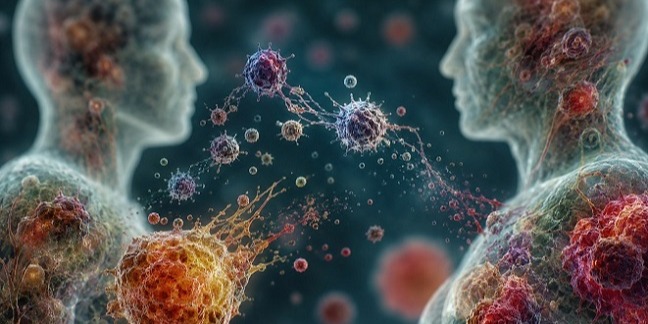
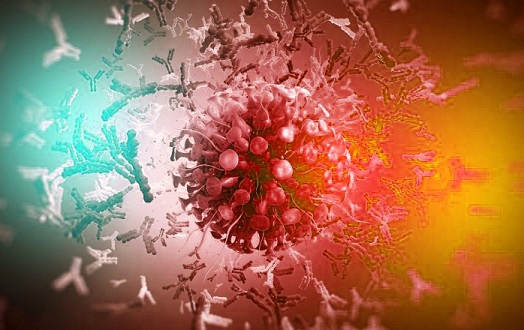 Scientists uncover how COVID-related antibodies may unintentionally react with vital human proteins.
Institutions And Researchers Involved
Scientists uncover how COVID-related antibodies may unintentionally react with vital human proteins.
Institutions And Researchers Involved
The study was conducted by researchers from the Department of Virology and Immunology at the Institute of Experimental Medicine in Saint Petersburg, Russia, together with scientists from the Department of Molecular Biology of Viruses at the Smorodintsev Research Institute of Influenza, also in Saint Petersburg, Russia. These institutions specialize in viral immunology and vaccine-related research.
Understanding The Nucleocapsid Protein
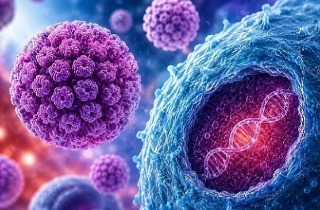
The nucleocapsid protein, commonly called the N protein, is an internal structural component of SARS-CoV-2. Unlike the spike protein, it does not help the virus enter cells. Instead, it binds and protects the viral genetic material. Because it is produced in large amounts during infection and remains highly similar across variants, it generates a strong immune response and has been considered an attractive target for vaccines and diagnostic tests.
How The Study Was Carried Out
To examine potential risks, the researchers generated antibodies against the nucleocapsid protein in laboratory animals, including mice, rabbits, and hamsters. These antibodies were then tested against proteins extracted from several human cell lines representing different tissues such as lung, intestinal, brain, and immune cells. Advanced laboratory techniques were used to detect whether the antibodies reacted with human proteins that they were never meant to recognize.
Key Findings and Evidence of Autoimmune Risk
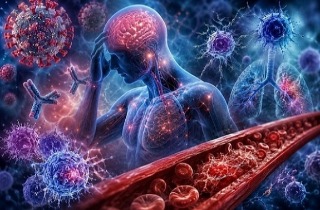
The results revealed that antibodies produced in mice and rabbits showed strong cross-reactivity with many human proteins. These included heat shock proteins that protect cells under stress, metabolic enzymes essential for energy production, and histone proteins that regulate DNA structure and gene expression. These proteins are present throughout the body, including in organs commonly affected in post-COVID conditions. In contrast, antibodies produced in hamsters did not show the same pattern of cross-reactivity, suggesting important differences between animal immune responses and highlighting the complexity of modeling human immunity.
Why These Results Raise Concern
The researchers suggest that this cross-reactivity may be caused by molecular mimicry, where parts of the viral protein rese
mble human proteins in structure or sequence. As a result, antibodies designed to target the virus may mistakenly bind to healthy tissues. This mechanism could potentially contribute to chronic inflammation or autoimmune-like symptoms observed in some individuals after COVID-19.
Conclusions And Broader Implications
The findings show that antibodies against the SARS-CoV-2 nucleocapsid protein can bind to key human proteins involved in stress response, metabolism, and genetic regulation. Although the study does not prove that these reactions occur inside the human body, it clearly demonstrates a potential risk that deserves serious attention. These results highlight the importance of carefully evaluating long-term immune effects after infection and exercising caution when designing future vaccines that strongly stimulate nucleocapsid-specific antibody responses, especially in the context of long COVID and autoimmune complications.
The study findings were published in the peer reviewed journal: Antibodies.
https://www.mdpi.com/2073-4468/15/1/2
For the latest COVID-19 News, keep on logging to Thailand
Medical News.
https://www.thailandmedical.news/articles/coronavirus




 Share
Share
 Tweet
Tweet
 Share
Share