Nikhil Prasad Fact checked by:Thailand Medical News Team Jun 13, 2026 1 month, 2 weeks, 4 days, 12 hours, 55 minutes ago
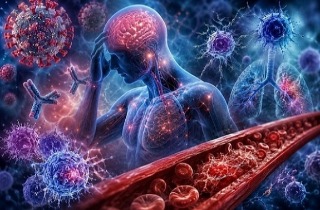
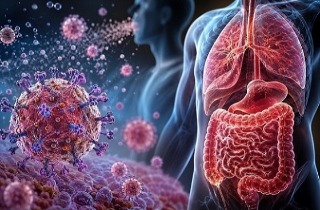
Medical News: A growing body of evidence suggests that COVID-19 is far more than a respiratory disease. While most attention during the pandemic focused on inflammation markers such as C-reactive protein (CRP), ferritin, and D-dimer, a new comprehensive review has highlighted a large group of neglected biomarkers that may provide crucial insights into how SARS-CoV-2 silently damages blood vessels throughout the body and drives severe disease, organ failure, and even long COVID.
 Researchers identify overlooked COVID-19 biomarkers that reveal widespread blood vessel injury linked to
severe disease, clotting complications, and long COVID
The study was conducted by researchers from the Department of Virology, School of Medicine, Ahvaz Jundishapur University of Medical Sciences, Iran, and the Department of Virology, Iran University of Medical Sciences, Tehran, Iran.
COVID-19 and the Hidden Threat to Blood Vessels
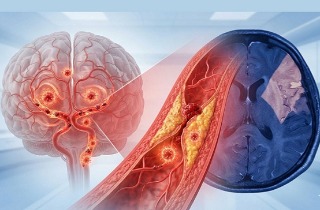
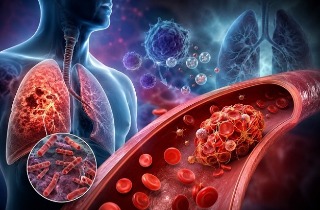
Scientists have increasingly recognized that one of the most dangerous effects of SARS-CoV-2 infection is its ability to attack the endothelium, the delicate layer of cells lining blood vessels. Healthy endothelial cells regulate blood flow, prevent abnormal clotting, and maintain vascular stability. However, when these cells become damaged, a cascade of inflammation, clot formation, tissue injury, and organ dysfunction can follow.
The review examined dozens of underutilized biomarkers linked to endothelial injury, vascular inflammation, immune activation, and tissue remodeling. According to the researchers, many of these markers may offer valuable information about disease severity long before traditional laboratory tests reveal serious complications.
Biomarkers Reveal Extensive Endothelial Injury
Several biomarkers identified in the review point directly to widespread vascular dysfunction in COVID-19 patients.
Elevated levels of endocan and endoglin were consistently associated with endothelial inflammation and vascular injury. Endocan levels were significantly higher in patients with severe disease and were linked to increased risks of intensive care admission and mortality.
Another important biomarker, endothelin-1, was found to be elevated in severe COVID-19 cases. This powerful vasoconstrictor contributes to narrowing of blood vessels, impaired blood flow, inflammation, and cardiovascular complications.
Researchers noted that endothelin dysregulation may play a major role in pulmonary hypertension and acute respiratory distress syndrome (ARDS) seen in critically ill patients.
The review also highlighted increased levels of angiopoietin-2, which destabilizes blood vessels and promotes vascular leakage. Elevated angiopoietin-2 concentrations were strongly associated with kidney injury, ARDS, ICU admission, and death.
Inflammatory Markers Linked to Severe Outcomes
Beyond vascular damage, the study identified several neglected inflammatory biomarkers that appear closely linked to poor outcomes.
Among the most significant were high-mobility group box-1 protein (HMGB1)
, galectin-3, osteopontin, neopterin, pentraxin-3, and serum amyloid A.
HMGB1 emerged as one of the strongest indicators of severe disease. Patients with elevated HMGB1 levels were more likely to develop cytokine storms, multi-organ failure, and fatal complications. Researchers noted that HMGB1 activates multiple inflammatory pathways that amplify tissue damage throughout the body.
Galectin-3 was also found to increase significantly as disease severity worsened. Elevated levels were associated with respiratory failure, oxygen deprivation, and increased mortality. Experimental therapies targeting galectin-3 are already being investigated as possible treatments for severe COVID-19.
Meanwhile, osteopontin was linked to a higher risk of mechanical ventilation and death, while pentraxin-3 outperformed many conventional inflammatory markers in predicting poor clinical outcomes.
Clotting Risks and Long COVID Connections
One of the most concerning findings involved biomarkers associated with abnormal clotting and persistent inflammation.
The review highlighted elevated levels of P-selectin, E-selectin, ICAM-1, VCAM-1, von Willebrand factor, and soluble urokinase plasminogen activator receptor (suPAR), all of which contribute to blood clot formation and vascular injury.
Particularly noteworthy was suPAR, which consistently emerged as one of the strongest predictors of severe disease, respiratory failure, organ dysfunction, and mortality. In several studies, suPAR outperformed commonly used biomarkers such as CRP and D-dimer.
Researchers also identified persistent elevations of neutrophil extracellular trap (NET) markers, including cell-free DNA, DNA-myeloperoxidase complexes, and neutrophil elastase. These abnormalities can remain elevated for months after infection and may help explain lingering symptoms experienced by long COVID patients, including fatigue, neurological problems, cardiovascular complications, and lung fibrosis.
This
Medical News report notes that the persistence of these inflammatory and vascular biomarkers long after acute infection supports growing evidence that COVID-19 can leave behind lasting biological damage even after apparent recovery.
Potential New Tools for Personalized Treatment
The review also identified biomarkers that could eventually guide personalized treatment approaches. Reduced levels of adiponectin, apolipoprotein M, and prostacyclin were associated with worse clinical outcomes and increased endothelial dysfunction. Monitoring these protective molecules may help physicians identify patients at risk before severe complications develop.
Researchers believe that combining these neglected biomarkers with conventional laboratory tests could improve risk stratification, treatment decisions, and patient monitoring while also identifying new therapeutic targets.
Conclusion
The findings reinforce the growing understanding that COVID-19 is fundamentally a systemic vascular disease that affects far more than the lungs. The extensive endothelial injury, inflammatory activation, clotting abnormalities, and tissue remodeling revealed by these neglected biomarkers help explain why some patients rapidly deteriorate while others recover with milder symptoms. Importantly, many of these biomarkers appear capable of predicting severe outcomes earlier and more accurately than several traditional markers currently used in clinical practice. Their incorporation into future diagnostic and monitoring strategies could significantly improve patient management, enable earlier intervention, and support the development of targeted therapies aimed at reducing vascular damage and preventing long-term complications associated with COVID-19.
The study findings were published in the peer reviewed journal: Biomarker Insights.
https://journals.sagepub.com/doi/full/10.1177/11772719261452224
For the latest on COVID-19, keep on logging to Thailand
Medical News.
Read Also:
https://www.thailandmedical.news/articles/coronavirus
https://www.thailandmedical.news/articles/long-covid




 Share
Share
 Tweet
Tweet
 Share
Share