Nikhil Prasad Fact checked by:Thailand Medical News Team Sep 05, 2026 12 minutes ago
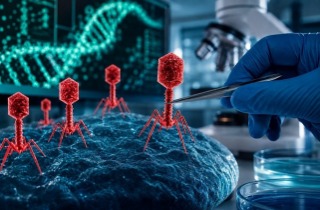
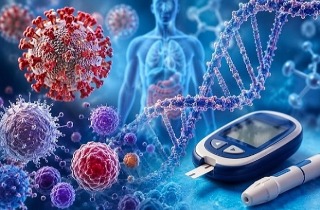
Scientists have uncovered a previously unknown mechanism by which SARS-CoV-2 may drive damaging inflammatory responses, identifying a viral protein-host protein interaction that could potentially become a new therapeutic target for severe COVID-19.
 Researchers discovered how a SARS-CoV-2 protein can disable a natural neutrophil brake, potentially
fueling excessive inflammation and lung damage.
The researchers found that a region of the SARS-CoV-2 nonstructural protein Nsp3, called SUD2core, effectively disables a natural molecular “brake” that normally prevents neutrophils from becoming excessively activated.
Researchers Identify HEBP2 as a Protective Brake
The research was conducted by scientists from the Department of Pulmonary and Critical Care Medicine, State Key Laboratory of Respiratory Health and Multimorbidity; Institute of Respiratory Health, Targeted Tracer Research and Development Laboratory, Frontiers Science Center for Disease-related Molecular Network; and Precision Medicine Center, Precision Medicine Key Laboratory of Sichuan Province, all at West China Hospital, Sichuan University, China.
Researchers were also affiliated with the Heilongjiang Institute for Drug Control in China and the Department of Cell Biology at Albert Einstein College of Medicine in New York.
Central to the discovery is heme-binding protein 2 (HEBP2). The researchers found that HEBP2 normally restrains the release of azurophilic granules from neutrophils. These granules contain potent antimicrobial substances, including myeloperoxidase (MPO), but uncontrolled release can contribute to inflammation and tissue injury.
This
Thailand Medical News report highlights how SARS-CoV-2 appears to exploit this system. SUD2core binds directly to HEBP2 and recruits the E3 ubiquitin ligase LTN1. This promotes HEBP2 ubiquitination and proteasomal degradation, removing its restraining influence and activating the Rab27a-SYTL1 pathway responsible for granule release.
Multiple Inflammatory Responses Were Amplified
Importantly, the consequences extended beyond degranulation. SUD2core promoted MPO release, neutrophil extracellular trap formation, or NETosis, increased reactive oxygen species, encouraged F-actin depolymerization, and boosted inflammatory cytokines including TNF-α, IL-6 and IL-8. Mutated SUD2core proteins unable to bind HEBP2 largely failed to produce these effects, strengthening evidence that the interaction is mechanistically important.
In a human pulmonary organoid-neutrophil co-culture system, this neutrophil hyperactivation translated into greater epithelial injury. SUD2core promoted NETosis and inflammatory damage, providing a model of how excessive immune activity could contribute to lung injury during infection.
Experimental Compounds Reduce the Damage
Researchers then computationally screened approximately four million molecules. Two candidates, Comp.1 and Comp.3, disrupted SUD2core-HEBP2 binding. Following viral-particle exposure, both reduced
MPO release, Rab27a-SYTL1 signaling, IL-6 and IL-8 expression and epithelial cell death. They also reduced NET formation by approximately 40% compared with vehicle treatment.
These compounds remain experimental and have not been demonstrated as treatments in patients.
Conclusions
The findings identify the SUD2core-HEBP2 interaction as a potentially important molecular switch linking SARS-CoV-2 proteins with neutrophil hyperactivation and inflammatory tissue injury. However, patient-derived validation and further preclinical research are essential before this pathway can be considered a clinically established therapeutic target.
The study findings were published in the peer reviewed journal: Cell Reports.
https://www.cell.com/cell-reports/fulltext/S2211-1247(26)00820-X
Read Also:
https://www.thailandmedical.news/articles/coronavirus
https://www.thailandmedical.news/articles/long-covid




 Share
Share
 Tweet
Tweet
 Share
Share