Nikhil Prasad Fact checked by:Thailand Medical News Team Apr 06, 2026 4 months, 3 weeks, 5 days, 17 hours, 19 minutes ago
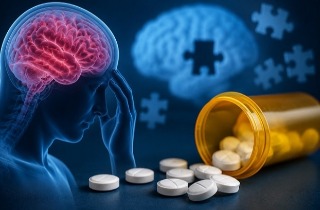
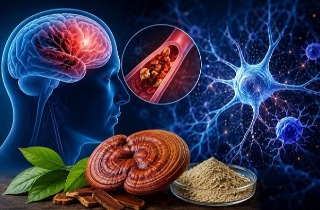
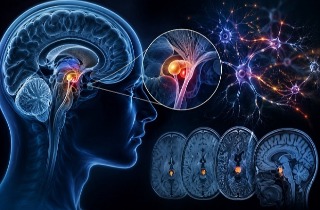
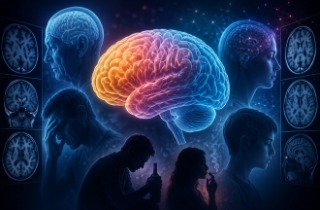
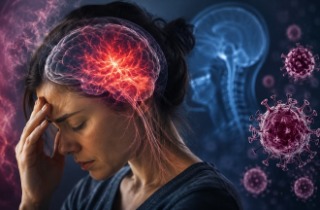
Medical News: A new scientific investigation is drawing attention to an unexpected source of brain health support - the humble peel of the mangosteen fruit. Researchers have uncovered compelling evidence that water-based extracts from mangosteen peel may interact with multiple biological pathways linked to major neurodegenerative diseases such as Alzheimer’s, Parkinson’s, and ALS, offering a fresh direction for future treatments.
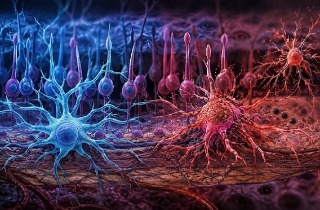
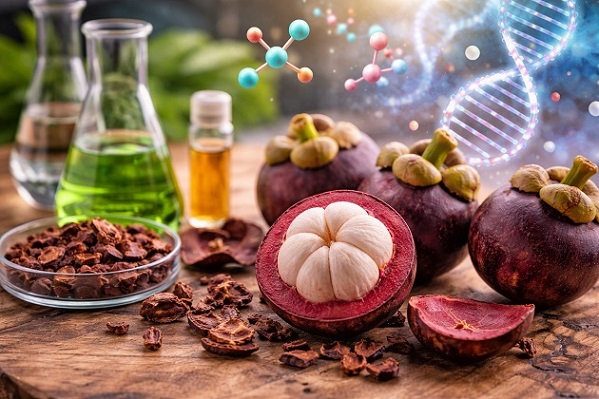 Natural mangosteen peel compounds may help target multiple brain disease pathways simultaneously
A Shift Away from Traditional Compounds
Natural mangosteen peel compounds may help target multiple brain disease pathways simultaneously
A Shift Away from Traditional Compounds
For years, most research on mangosteen has focused on fat-soluble compounds known as xanthones. While these compounds showed promise, they suffered from poor absorption and limited ability to reach the brain. This latest study instead turned its attention to water-soluble, or “polar,” metabolites - compounds that are more easily absorbed and may cross into the brain more effectively.
Using advanced laboratory techniques, including UHPLC-QTOF-MS analysis, scientists identified a wide array of these polar compounds within the peel extract. According to the findings detailed in the uploaded study, key compounds such as palmitic amide, marmesin, trigonelline, and epicatechin were present in notable amounts and showed favorable characteristics for brain-related applications.
Targeting Multiple Diseases at Once
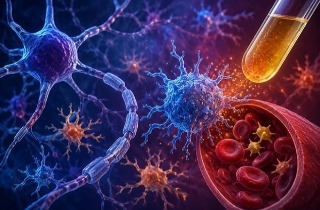
One of the most significant breakthroughs in this research is the discovery that these compounds may simultaneously affect shared biological pathways involved in multiple neurodegenerative diseases. Rather than targeting a single protein or mechanism, the extract appears to influence a network of 121 common molecular targets associated with Alzheimer’s, Parkinson’s, and ALS.
This multi-target approach is crucial because these diseases share overlapping causes, including oxidative stress, inflammation, and protein misfolding. By addressing these interconnected mechanisms, the mangosteen peel extract could offer broader protection than current treatments that typically focus on just one pathway.
How the Compounds Work in the Brain
The study used computational models to analyze how these compounds interact with proteins in the body. Results showed that several metabolites demonstrated moderate binding strength to key proteins involved in brain function and survival.
Notably, two major signaling pathways stood out:
-PI3K-Akt pathway, which supports neuron survival and protects against cell death
-MAPK pathway, which regulates inflammation and stress responses in brain cells
These pathways are heavily involved in the progression of neurodegenerative diseases. By influencing them, the compounds may help slow down or modify disease progression.
This
Medical News report highlights that the extract does not rely on a single “active
ingredient,” but rather works through a network of compounds acting together, creating a synergistic effect that enhances overall impact.
Promising Safety and Bioavailability Profile
Another key finding is the favorable safety profile of the identified compounds. Toxicity predictions showed that leading candidates like palmitic amide and marmesin fall into relatively safe categories with acceptable dosage thresholds.
Additionally, several of these compounds demonstrated strong gastrointestinal absorption and the ability to cross the blood-brain barrier - two critical factors for any substance intended to affect brain health.
A New Direction for Natural Neuroprotection
The research represents a shift toward systems-based approaches in medicine, where complex diseases are addressed through multi-target strategies. By combining metabolomics, network pharmacology, and molecular docking, the study provides a comprehensive view of how natural compounds can influence disease networks rather than isolated targets.
Importantly, the findings are based on predictive and computational models, meaning further laboratory and clinical studies are still needed to confirm these effects in real-world settings.
Conclusion
The study offers a compelling glimpse into the potential of mangosteen peel as a source of brain-protective compounds. By focusing on water-soluble metabolites, researchers have identified a more bioavailable and potentially effective group of substances that can interact with multiple disease pathways at once. This multi-target capability could mark a significant shift in how neurodegenerative diseases are approached in the future. However, while the early findings are promising, more experimental validation and human studies will be essential before any clinical applications can be confirmed.
The study findings were published in the peer reviewed journal: Life.
https://www.mdpi.com/2075-1729/16/4/580
For the latest on preventing or treating neurodegenerative diseases, keep on logging to Thailand
Medical News.
Read Also:
https://www.thailandmedical.news/articles/herbs-and-phytochemicals




 Share
Share
 Tweet
Tweet
 Share
Share