Nikhil Prasad Fact checked by:Thailand Medical News Team Feb 11, 2026 6 months, 1 week, 4 days, 15 hours, 13 minutes ago
Medical News: Diabetic foot disease is one of the most feared complications of type 2 diabetes, often leading to chronic ulcers, repeated hospital stays, and in severe cases, limb amputations. For years, treatment has focused mainly on wound care, infection control, and surgery. However, new scientific insights now suggest that a widely used class of diabetes medications may also help protect the feet by acting on nerves, blood vessels, and inflammation, not just blood sugar levels.
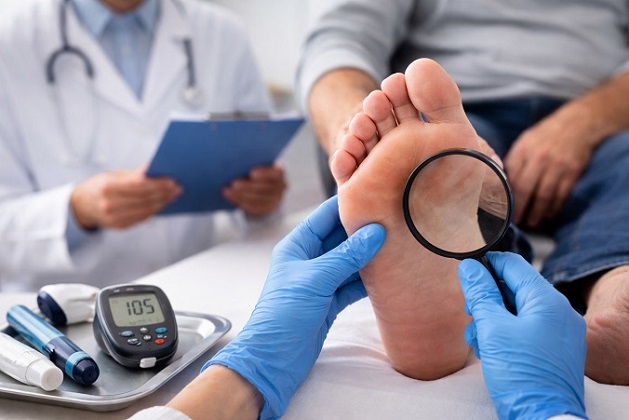 New research suggests common diabetes medications may help prevent foot ulcers and amputations by protecting
nerves and blood vessels
Understanding Diabetic Foot Disease
Diabetic foot disease develops due to a combination of nerve damage, poor blood circulation, and reduced healing ability. Loss of sensation allows small injuries to go unnoticed, while weak blood flow slows healing and raises the risk of infection. Once ulcers form, they can worsen rapidly, often requiring hospitalization and sometimes resulting in amputation. Globally, diabetic foot complications are linked to high disability and death rates, making prevention a major public health goal.
A New Role for GLP-1 Receptor Agonists
Glucagon-like-peptide-1 receptor agonists, commonly known as GLP-1 drugs, are already prescribed worldwide to manage type 2 diabetes and obesity. These drugs help lower blood sugar, reduce body weight, and protect the heart.
According to this
Medical News report, researchers now believe these medications may also reduce the risk of diabetic foot ulcers and amputations.
What the Researchers Reviewed
The study was conducted by scientists from the Podiatry Faculty at the University of Seville in Spain and the Endocrinology and Nutrition Department at Virgen Macarena University Hospital, Seville. The research team reviewed clinical studies, population data, and laboratory research published over the past decade to assess how GLP 1-drugs affect diabetic foot outcomes.
Key Findings
Across several large real-world studies, patients using GLP 1 receptor agonists showed fewer foot ulcers, fewer amputations, and fewer hospital admissions related to foot complications compared to patients using other diabetes drugs. Laboratory and animal studies help explain why. These drugs appear to protect nerve cells, reduce harmful inflammation, improve small blood vessel function, and support wound healing. Together, these effects may slow nerve damage, improve circulation in the feet, and help ulcers heal more effectively.
Why This Matters for Patients
Hospitalization for diabetic foot disease often marks a serious turning point, with high risks of disability and death. If GLP-1 drugs truly reduce ulcer formation and amputation risk, they could change how doctors approach long term diabetes care. Instead of focusing only on sugar control, treatment could also aim to protect nerves and blood vessels before serious damage occurs.
r />
Study Limitations and Next Steps
The researchers caution that most available evidence comes from observational studies rather than controlled trials. While the results are encouraging, dedicated clinical trials are still needed to confirm whether these drugs directly prevent diabetic foot complications and to identify which patients benefit most.
Conclusions
Overall, the findings suggest that GLP-1 receptor agonists may offer meaningful protection against diabetic foot disease by acting on nerves, blood flow, inflammation, and wound healing simultaneously. If confirmed in future trials, these medications could reduce amputations, hospitalizations, and long-term disability, offering patients not just longer lives, but better quality of life.
The study findings were published in the peer reviewed journal: Biomedicines.
https://www.mdpi.com/2227-9059/14/2/406
For the latest on Diabetes, keep on logging to Thailand Medical News.
Read Also:
https://www.thailandmedical.news/articles/diabetes




 Share
Share
 Tweet
Tweet
 Share
Share