Nikhil Prasad Fact checked by:Thailand Medical News Team Dec 07, 2025 9 months, 4 weeks, 1 day, 13 hours, 35 minutes ago
Medical News: Hidden Risk in Common Gastric Reflux Medications
A new study from multiple leading U.S. institutions has revealed that proton pump inhibitors (PPIs)—commonly prescribed for acid reflux and stomach issues—may significantly raise the risk of dangerous gut infections in people with inflammatory bowel disease (IBD). Researchers from the University of Missouri School of Medicine, Washington University School of Medicine in St. Louis, Charleston Area Medical Center, Mercy Hospital in St. Louis, and SSM Health DePaul Hospital in Missouri collaborated on this important investigation.
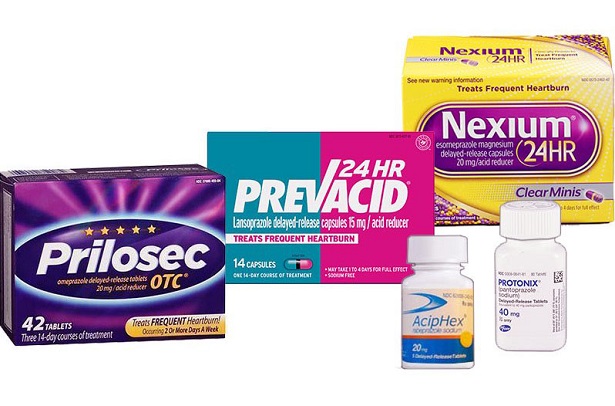 Proton pump inhibitor use significantly heightens gut infection risk in IBD patients, especially during the first 30 months of use
This
Medical News report highlights growing concern over the safety of PPI medications in vulnerable patients, especially those battling IBD conditions like Crohn’s disease and ulcerative colitis. Inflammatory bowel disease already puts patients at higher risk of Clostridioides difficile infection (CDI), a serious and sometimes life-threatening bacterial infection of the colon. The study suggests that PPI use adds another layer of danger.
Details of the Research
The researchers reviewed the records of 834 IBD patients treated at the University of Missouri Health Care System between 2017 and 2021. Around 42% of the patients were using PPIs, with an average duration of 30 months. During the study period, 9% of the IBD patients developed CDI.
The results were striking. Patients who used PPIs had a more than 9-fold higher risk of developing CDI compared to non-users, after adjusting for factors like age, gender, and use of other medications. Interestingly, the increased risk was only observed in patients who had been using PPIs for less than 30 months. Those who used PPIs for longer periods did not show a higher infection risk. This unexpected finding could suggest that the gut microbiome might adapt over time to PPI therapy, but the researchers emphasized that more studies are needed to understand this mechanism.
Other Drug Interactions Also Examined
Beyond PPIs, the study also examined how other medications commonly used in IBD treatment might affect CDI risk. Corticosteroid use was also linked to an increased risk, especially when combined with antibiotics. Among patients who were taking both antibiotics and corticosteroids, the risk of CDI quadrupled. However, in patients who took corticosteroids without antibiotics, the infection risk actually decreased slightly.
Biologics and immunomodulators were also studied. Biologics were associated with a slight increase in CDI risk, but immunomodulators showed no significant effect.
Conclusions and Implications
This study is the largest to date in the U.S. to explore how PPI use affects CDI risk in IBD patients. Its findings highlight the need for doctors to carefully weigh the benefits and risks of prescribing PPIs in this vulnerable population. While PPIs are often seen as harmless, they m
ay trigger dangerous consequences in IBD patients by weakening gut defenses and disrupting microbial balance.
Doctors should closely monitor PPI use in IBD patients and reconsider prescriptions unless absolutely necessary. Additionally, more research is essential to understand why shorter-term PPI use increases risk while long-term use does not—a finding that contradicts earlier studies.
The study findings were published in the peer reviewed journal: Biologics (MDPI).
https://www.mdpi.com/2673-8449/5/4/38
For the latest on the dangers of PPIs, keep on logging to Thailand
Medical News.
Read Also:
https://www.thailandmedical.news/news/proton-pump-inhibitors-ppis-impact-gut-health-by-translocating-oral-microbiota
https://www.thailandmedical.news/news/usage-of-proton-pump-inhibitors-associated-with-higher-risk-of-susceptibility-to-influenza-pneumonia-and-covid-19
https://www.thailandmedical.news/news/health-news-university-of-minnesota-study-finds-that-long-term-use-of-ppis-for-gastric-reflux-linked-to-higher-risk-of-developing-dementia
https://www.thailandmedical.news/news/proton-pump-inhibitors-ppis-increases-risk-of-fatty-liver-disease-by-disrupting-gut-microbiome-balance-according-to-korean-study
https://www.thailandmedical.news/news/ppis-or-acid-reflux-drugs-affects-cognitive-abilities-of-breast-cancer-survivors
https://www.thailandmedical.news/news/study-finds-another-negative-side-effect-of-ppi-usage,-this-time-linked-to-increased-risk-of-acute-gastroenteritis
https://www.thailandmedical.news/news/more-bad-news-for-users-of-proton-pump-inhibitors-(ppis),-as-these-gastric-reflux-drugs-are-implicated-in-cholangitis
https://www.thailandmedical.news/news/more-studies-emerging-that-ppis-(proton-pump-inhibitors)-linked-to-increased-risks-of-deaths
https://www.thailandmedical.news/news/new-study-links-ppis-to-kidney-disease-and-failure
https://www.thailandmedical.news/news/acid-reflux-medications-and-proton-pump-inhibitors-(ppis)-linked-to--kidney-disease




 Share
Share
 Tweet
Tweet
 Share
Share