Nikhil Prasad Fact checked by:Thailand Medical News Team Aug 23, 2026 57 minutes ago
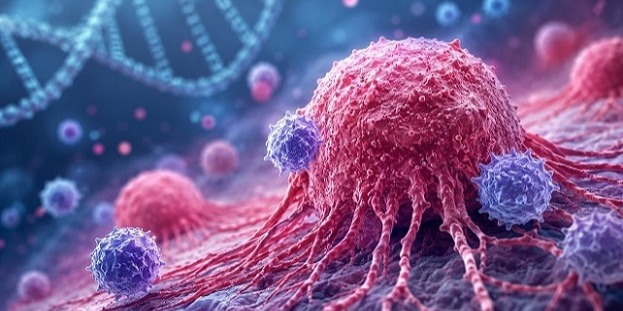
Hantavirus pulmonary syndrome, also called hantavirus cardiopulmonary syndrome, can turn from a flu-like illness into life-threatening heart and lung failure within hours. A new medical review explains why this rare infection becomes so dangerous and why recognizing the warning signs early may dramatically improve survival.
 Hantavirus can rapidly cause severe blood vessel leakage, lung flooding, heart dysfunction, and potentially
fatal circulatory collapse
The disease is mainly caused by New World hantaviruses, including Sin Nombre virus in North America and Andes virus in South America. Overall fatality rates remain approximately 25% to 40%.
How Hantavirus Causes the Lungs to Flood
The review found that hantavirus does not simply destroy lung cells. Instead, it infects cells lining small blood vessels and disrupts systems that normally control how much fluid passes through vessel walls.
This makes blood vessels unusually sensitive to vascular endothelial growth factor, or VEGF, a naturally occurring protein involved in blood vessel function. As permeability increases, protein-rich fluid escapes from blood vessels and enters lung tissue and air spaces.
The result is severe pulmonary edema, essentially flooding of the lungs, even though the problem is not initially caused by ordinary heart failure. At the same time, fluid leaving the bloodstream reduces circulating blood volume, contributing to dangerously low blood pressure.
The Immune System and Heart Are Also Involved
The review highlights another major problem: an intense immune response. Activated immune cells release inflammatory substances including TNF-alpha, IFN-gamma, and nitric oxide. These can further increase blood vessel leakage while weakening the heart's pumping ability.
Importantly, evidence from fatal cases has also found hantavirus material in heart tissue alongside inflammation, swelling, and areas of damaged heart muscle. This suggests that direct hantavirus-associated myocarditis, or inflammation of the heart muscle, contributes to cardiovascular collapse.
As this Thailand
Medical News report explains, advanced disease therefore represents a dangerous combination of leaking blood vessels, flooded lungs, reduced circulating blood volume, inflammation, and weakened heart function.
Early Testing Could Be Critical
Blood abnormalities can provide important warning signs. About 98% of patients develop low platelet counts, while rising hematocrit can indicate severe fluid leakage from blood vessels.
Hantavirus-specific IgM antibodies are detectable in most patients by hospital presentation because antibody development usually begins during the relatively long incubation period. RT-PCR testing can complement antibody testing, particularly during very early illness.
ECMO May Offer a Lifesaving Bridge
No antiviral treatment has demonstrated effectiveness in controlled trials during the cardiop
ulmonary phase, and no licensed vaccine against New World hantaviruses currently exists.
However, venoarterial extracorporeal membrane oxygenation, or VA-ECMO, can temporarily support both the heart and lungs during the most dangerous period. Survival approaching 80% has been reported when ECMO is started early in selected patients at experienced centers.
The review was conducted through the Faculty of Medicine and Health Sciences, University of Barcelona, Spain, and the Department of Cardiothoracic Surgery, Stanford University, United States.
Conclusions
The findings show that hantavirus can cause a rapidly escalating medical emergency involving both the lungs and heart. Early recognition, careful fluid management, intensive monitoring, and timely transfer to an ECMO-capable center may substantially improve a critically ill patient's chances of survival.
The study findings were published in the peer reviewed journal: Viruses.
https://www.mdpi.com/1999-4915/18/8/915
Read Also:
https://www.thailandmedical.news/articles/hantavirus-news




 Share
Share
 Tweet
Tweet
 Share
Share