Nikhil Prasad Fact checked by:Thailand Medical News Team Jul 13, 2026 1 month, 2 weeks, 6 days, 5 hours, 16 minutes ago
Medical News:
Scientists identify six natural compounds that could block two of the bacterium's most dangerous weapons
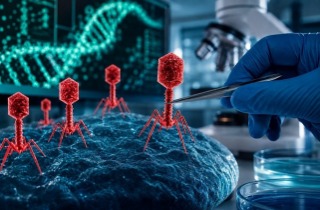
Researchers have identified six naturally occurring plant flavonoids that could eventually help fight Listeria monocytogenes, the deadly foodborne bacterium responsible for listeriosis. Using sophisticated computer-based drug discovery techniques, the scientists found that these natural compounds may be able to disable two of the bacterium's most important virulence proteins, potentially preventing it from invading human cells and spreading throughout the body. While the findings still require laboratory and clinical confirmation, they offer an exciting starting point for the development of future plant-based anti-listeria therapies.
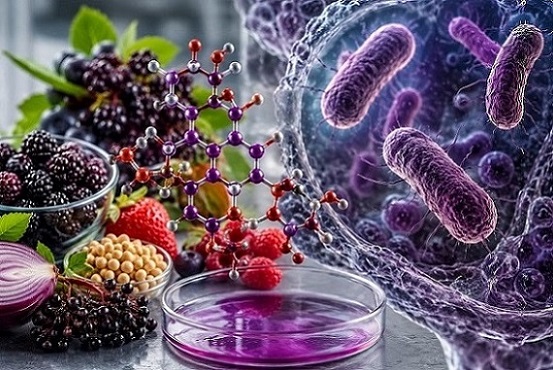 Scientists identified six naturally occurring plant flavonoids that may block two essential proteins used
by deadly Listeria bacteria to infect human cells
The study was conducted by researchers from the Department of Microbiology, Noakhali Science and Technology University, Bangladesh; the Bioinformatics Laboratory (BioLab), Noakhali, Bangladesh; the Department of Biochemistry and Molecular Biology, Jagannath University, Dhaka, Bangladesh; and the Institute of Genomic Medicine Sciences, King Abdulaziz University, Jeddah, Saudi Arabia.
Why Listeria remains a dangerous pathogen
Listeria monocytogenes is one of the most dangerous foodborne bacteria because it can survive refrigeration, acidic environments, and high salt concentrations. It is commonly found in contaminated ready-to-eat foods and poses the greatest risk to pregnant women, newborns, older adults, and people with weakened immune systems. Severe infections can lead to bloodstream infections, meningitis, brain infections, miscarriage, and death. Alarmingly, growing antibiotic resistance is making treatment increasingly difficult.
The researchers focused on two proteins that are essential for the bacterium's ability to cause disease. Internalin A (InlA) allows Listeria to attach to and invade human cells, while Listeriolysin O (LLO) enables the bacteria to escape from immune cells after being engulfed, allowing the infection to spread throughout the body. Blocking either protein could significantly weaken the bacterium.
Six natural flavonoids emerged as the strongest candidates
The research team screened a library of 1,254 plant-derived flavonoids using multiple rounds of molecular docking, pharmacokinetic analysis, toxicity prediction, quantum mechanical calculations and 100-nanosecond molecular dynamics simulations to identify the most promising inhibitors. This
Medical News report highlights one of the largest computational studies ever performed against these two important Listeria virulence factors.
Among the compounds tested, six flavonoids consistently stood out.
Three compounds showed the strongest activity against Internalin A. These included cyanidin-3-glucoside, a flavonoid naturally abundant in blackberries, black grapes,
purple corn, elderberries, red onions and purple cabbage; cyanidin-5-O-glucoside, found in various dark-colored berries and anthocyanin-rich fruits; and glycitein-7-O-glucoside, an isoflavone naturally present in soybeans, soy sprouts and fermented soy products.
Against Listeriolysin O, the researchers identified another three highly promising compounds. These included cyanidin-3-galactoside, found in hawthorn berries, black chokeberries (aronia), blueberries and blackcurrants; pelargonidin-3-glucoside, which occurs naturally in strawberries, raspberries and several red fruits; and phyllospadine, a much rarer flavonoid originally isolated from the marine seagrass Phyllospadix iwatensis.
Why these flavonoids performed so well
The study showed that several of these natural compounds actually bound more strongly to the bacterial proteins than ampicillin, which was used as the reference antibiotic throughout the investigation. For example, cyanidin-3-glucoside produced the strongest docking score against Internalin A, while cyanidin-3-galactoside emerged as the best inhibitor of Listeriolysin O. Cyanidin-5-O-glucoside was particularly impressive because it formed five hydrogen bonds with Internalin A, substantially more than ampicillin, suggesting a very stable interaction with the bacterial protein.
The scientists also found that all six flavonoids met important drug-likeness criteria, demonstrated favorable predicted gastrointestinal absorption, and exhibited relatively low predicted toxicity. Long molecular dynamics simulations lasting 100 nanoseconds further showed that several of these compounds remained remarkably stable while attached to their bacterial targets. Additional quantum mechanical analyses and electrostatic studies suggested that the flavonoids possessed favorable electronic characteristics that could strengthen their interaction with the bacterial proteins. Altogether, these findings indicate that the compounds have promising properties worthy of further laboratory investigation.
Conclusions
Although these findings are highly encouraging, they should not be interpreted as evidence that consuming flavonoid-rich foods or herbs can prevent or cure listeriosis. The entire study was conducted using advanced computational methods, meaning laboratory experiments, animal studies and eventually human clinical trials are still required. Nevertheless, the identification of six naturally occurring flavonoids capable of targeting two of Listeria monocytogenes' most critical virulence proteins represents an important advance that could help guide the development of future antimicrobial therapies based on natural compounds, especially as antibiotic resistance continues to increase worldwide.
The study findings were published in the peer reviewed journal: PLOS One.
https://journals.plos.org/plosone/article?id=10.1371/journal.pone.0351129
For the latest on herbs and phytochemicals, keep on logging to Thailand
Medical News.
Read Also:
https://www.thailandmedical.news/articles/herbs-and-phytochemicals




 Share
Share
 Tweet
Tweet
 Share
Share