Nikhil Prasad Fact checked by:Thailand Medical News Team Mar 03, 2026 7 months, 22 hours, 20 minutes ago
Medical News: A growing body of scientific evidence now suggests that everyday vegetables like broccoli, cabbage, kale, and Brussels sprouts may hold remarkable power in protecting the human heart. A new comprehensive review is shining fresh light on how bioactive compounds in these so-called cruciferous vegetables could help prevent and manage cardiovascular diseases, the world’s leading cause of death.
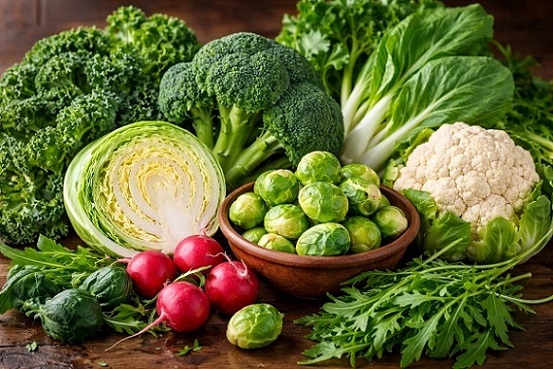 Daily broccoli cabbage and kale may quietly lower cholesterol fight inflammation and protect your heart
The study was conducted by Professor Beata Olas from the Department of General Biochemistry, Faculty of Biology and Environmental Protection, University of Lodz, Poland. Her review brings together findings from laboratory, animal, and human studies to better understand how these vegetables influence heart health.
Why Cruciferous Vegetables Matter
Cruciferous vegetables belong to the Brassicaceae family and include broccoli, cauliflower, cabbage, kale, Brussels sprouts, radish, arugula, and watercress. These vegetables are rich in fiber, vitamins C and K, minerals like potassium and magnesium, and unique plant chemicals or phytochemicals known as phenolic compounds and glucosinolates.
This
Medical News report highlights that these natural compounds appear to target several risk factors linked to heart disease, including high cholesterol, high blood pressure, inflammation, oxidative stress, obesity, and abnormal blood clotting.
Phenolic Compounds Reduce Oxidative Stress and Inflammation
Phenolic compounds are powerful antioxidants. They help neutralize harmful molecules called reactive oxygen species that can damage blood vessels and contribute to plaque buildup in arteries.
Laboratory studies showed that extracts from vegetables such as kale, cauliflower, radish, and red cabbage reduced oxidative stress and prevented excessive blood platelet clumping, a process that can lead to dangerous clots. Red cabbage anthocyanins, for example, were shown to significantly lower markers of oxidative damage in blood platelets.
Animal studies provided further insight. In rats given phenolic-rich cabbage extract, researchers observed improved cholesterol levels and increased activity of antioxidant enzymes. These findings suggest that these compounds may help protect artery walls and maintain healthy blood flow.
Glucosinolates Target Cholesterol and Blood Pressure
Another key group of phytochemicals are glucosinolates, especially glucoraphanin, which is abundant in broccoli and broccoli sprouts. When vegetables are chopped or chewed, glucosinolates are converted into biologically active compounds such as sulforaphane.
In experimental models, glucoraphanin reduced inflammation inside blood vessels and prevented harmful LDL cholesterol from triggering oxidative damage. It also lowered total cholesterol levels in rabbits and reduced plaque formation.
Human studies are particularly promising. In one trial, healthy volun
teers who consumed high-glucoraphanin broccoli weekly for 12 weeks experienced reductions in LDL cholesterol. Another study found that women with pregnancy-related hypertension showed improved blood pressure after taking broccoli seed extract containing glucoraphanin.
However, not all trials showed identical results, indicating that dosage, preparation method, and individual differences may influence outcomes.
Processing Methods Make a Difference
The review also emphasizes that cooking and fermentation can change the levels of beneficial compounds. Boiling may significantly reduce glucosinolate content, while steaming tends to preserve more of these compounds. Fermentation sometimes increases certain phenolic compounds but may decrease others.
Storage conditions matter too. Fresh vegetables contain the highest levels of glucosinolates, which can drop sharply during prolonged storage at room temperature.
A Promising but Still Emerging Field
Although the findings are encouraging, the review stresses that large-scale clinical trials are still limited. Many studies involve small groups or animal models. More research is needed to confirm long-term safety, optimal dosages, and how these vegetables interact with medications used to treat heart disease.
Still, the overall evidence suggests that regularly including cruciferous vegetables in the diet may provide meaningful cardiovascular protection. Their combination of antioxidants, anti-inflammatory compounds, cholesterol-lowering agents, and blood pressure–modulating properties makes them an appealing natural strategy for heart health.
In conclusion, cruciferous vegetables appear to influence multiple biological pathways involved in cardiovascular disease, from reducing oxidative stress and inflammation to improving lipid profiles and vascular function. While more human trials are required, current data strongly support their inclusion as part of a heart-friendly diet, potentially offering a simple and accessible way to reduce cardiovascular risk naturally.
The study findings were published in the peer reviewed journal: Nutrients.
https://www.mdpi.com/2072-6643/18/5/810
For the latest on Herbs and Phytochemicals, keep on logging to Thailand
Medical News.
Read Also:
https://www.thailandmedical.news/articles/cardiology
https://www.thailandmedical.news/articles/herbs-and-phytochemicals




 Share
Share
 Tweet
Tweet
 Share
Share

































