Nikhil Prasad Fact checked by:Thailand Medical News Team Jan 11, 2026 8 months, 3 weeks, 3 days, 6 hours, 6 minutes ago
Medical News: Pitanga’s power to fight heart disease
A new scientific investigation from CQM Centro de Química da Madeira and the Departamento de Química at Universidade da Madeira Portugal is turning heads across the nutrition and health community and even among cardiologists. The research focused on the little-known Eugenia uniflora L fruit better called Pitanga (Surinam Cherry or Mayom Farang in Thai), which grows naturally in Brazil and parts of Latin America and is also found in tropical markets worldwide including Thailand.
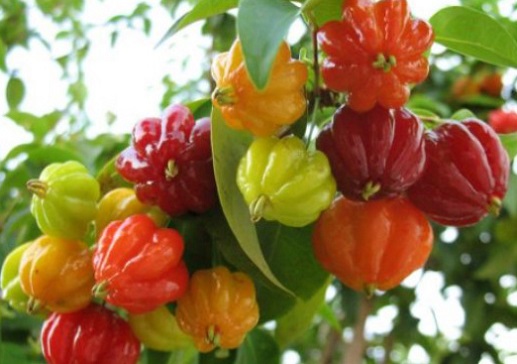
The study compared two types of pitanga fruit – a bright reddish-orange version and a darker purple version – as well as their leaves, to see whether they could help prevent dangerous heart and blood vessel problems.
Why scientists studied pitanga
Cardiovascular disease remains the world’s top killer and many experts say diet is a powerful shield against it. Foods rich in plant chemicals called polyphenols have been linked to lowering cholesterol, fighting inflammation and reducing blood pressure. With pitanga long used in traditional medicine, scientists wanted to see how powerful its protective compounds actually are.
What the researchers did
Researchers tested how well pitanga extracts performed in four key categories:
-Antioxidant strength – how well they neutralized harmful free radicals
-Anti-inflammatory effects – ability to stop proteins from breaking down
-Blood pressure control – how well they blocked an enzyme that tightens blood vessels
-Polyphenol content – measuring compounds such as gallic acid and flavonoids
The fruit and leaves were freeze dried, powdered and tested through standard laboratory assays including DPPH, ABTS, and ACE inhibition. The team also measured key compounds using ultra high-performance liquid chromatography.
Purple fruit leads the antioxidant race
Both reddish-range and purple pitanga were winners, but purple edged ahead in several tests.
-Purple pitanga showed the highest total polyphenols at roughly double the orange type
-Anthocyanins, powerful purple pigments, were eight times greater in purple fruit
-Antioxidant activity on the ABTS test soared above 250 μM, far higher than leaves
-Leaves contained only small amounts of these compounds and were much weaker in fighting free radicals.
Pitanga may help control blood pressure
One of the most striking results was pitanga’s effect on the blood pressure enzyme ACE.
-Purple pitanga blocked about 47 percent of ACE activity
-Orange was close behind at 43 percent
-Leaves managed only 25 percent
For comparison, prescription medicines such as captopril scored higher but pitanga extracts still showed meaningful activity.
Str
ong anti-inflammatory benefits
The fruit extracts also stopped proteins from unwinding and losing their shape – a key driver of chronic inflammation.
-Orange pitanga halted 82 percent of protein damage
-Purple hit 82 percent
-Leaves performed poorly with 26 percent
This confirms pitanga’s folk reputation as a natural healing food.
What it means for everyday people
This
Medical News report highlights pitanga as a promising natural protector for the heart. Though not a replacement for medicine, the fruit — fresh, juiced or powdered — could become part of a heart smart diet. Its rare mix of antioxidants, pigment molecules and enzyme blocking activity make it a standout tropical superfruit.
Conclusion
The researchers stress that orange and purple pitanga fruits offer a strong combination of antioxidant, anti-inflammatory and blood pressure lowering effects thanks to their rich polyphenol content. While leaves contain some benefits, they are far less powerful. Overall, the results show pitanga could become an easy everyday food addition that supports artery health reduces inflammation and slows the development of risk factors that lead to heart disease making it a meaningful dietary ally for long term cardiovascular protection.
The study findings were published in the peer reviewed journal: Life.
https://www.mdpi.com/2075-1729/15/2/147
For the latest on heart health, keep on logging to Thailand
Medical News.
Read Also:
https://www.thailandmedical.news/articles/herbs-and-phytochemicals
https://www.thailandmedical.news/articles/cardiology




 Share
Share
 Tweet
Tweet
 Share
Share

































