Thailand Medical Researchers Find Higher Neubotulinum Toxin Type A Dose Eases Dystonia Pain
Nikhil Prasad Fact checked by:Thailand Medical News Team Aug 30, 2026 12 minutes ago
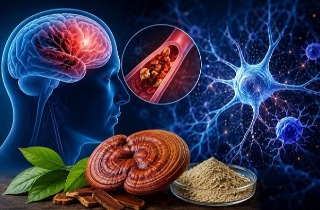
Thai researchers have found that a higher dose of neubotulinum toxin type A provided significantly greater pain relief for adults with cervical dystonia than a lower dose, despite producing no significant additional improvement in overall disease severity or disability.
 Higher-dose neubotulinum toxin type A provided greater pain relief for cervical dystonia patients without significantly
improving overall disease severity.
The findings could be particularly relevant for cervical dystonia patients whose abnormal movements are reasonably controlled by botulinum toxin treatment but who continue to experience troublesome pain.
Pain Remains a Major Problem in Cervical Dystonia
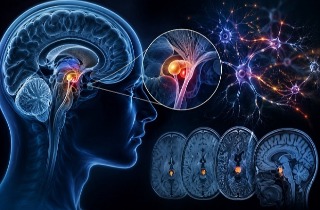
Cervical dystonia is a neurological movement disorder in which involuntary contractions of neck muscles can cause abnormal head positioning, functional impairment, and substantially reduced quality of life.
Pain is one of the disorder's most important non-motor symptoms. For some patients, it can remain disabling even when botulinum toxin injections successfully improve abnormal posture. Researchers therefore wanted to determine whether increasing the dose could specifically provide additional pain relief.
Researchers Compared 50 and 100 Units
Neubotulinum toxin type A is approved in Thailand for treating cervical dystonia at a total dose of 50 units.
The prospective, multicenter, randomized, double-blind crossover trial involved 50 adults who had previously received regular botulinum toxin injections. Participants were randomly assigned to receive either 100 units followed by 50 units or 50 units followed by 100 units. Each treatment period lasted 12 weeks.
The
Thailand Medical researchers were from the Division of Neurology, Department of Medicine, Sunpasitthiprasong Hospital; Office of Senior Advisor, Department of Medical Services, Ministry of Public Health; Division of Neurology, Rajavithi Hospital, Department of Medical Services, Ministry of Public Health; and Division of Neurology, Department of Medicine, College of Medicine, Rangsit University, Thailand.
Higher Dose Produced Greater Pain Relief
The most important finding in this
Medical News report was that doubling the dose did not produce broad improvements across cervical dystonia outcomes.
There were no statistically significant differences between 100 and 50 units for the overall Toronto Western Spasmodic Torticollis Rating Scale (TWSTRS), disease severity, or disability.
Pain produced a substantially different result. The adjusted difference in the TWSTRS pain subscore between 100 and 50 units was -1.83 points, favoring the higher dose. The 95% confidence interval was -2.93 to -0.73, with p=0.0011.
Researchers performed an additional robust statistical sensitivity analysis, which again produced a -1.83-point difference favoring 100 units, with p=0.003. This strengthened the statistical evidence that the observed benefit was specifically asso
ciated with pain.
Psychosocial Functioning Also Improved
Another significant finding involved disease-specific psychosocial functioning. Patients receiving 100 units experienced a mean change of -1.6 in the CDIP-58 psychosocial functioning score, compared with +2.2 following 50 units. Lower scores represented better functioning.
Importantly, both the pain and psychosocial functioning findings remained statistically significant after researchers adjusted for all 24 efficacy comparisons performed during the analysis. No other efficacy comparison remained significant after this adjustment.
The higher dose did not significantly improve general health-related quality of life or depressive symptoms. Both doses were well tolerated, with no common treatment-related adverse effects or serious adverse events reported during either treatment period.
Conclusions
The findings do not support routinely increasing neubotulinum toxin type A doses simply to improve cervical dystonia overall. Instead, they suggest that individualized escalation from 50 to 100 units could offer additional benefits for previously treated patients who continue experiencing significant dystonia-related pain despite satisfactory motor control. Larger randomized trials specifically designed with pain as a primary endpoint are needed to confirm the clinical importance of the observed benefit.
The study findings were published in the peer reviewed journal: Toxins.
https://www.mdpi.com/2072-6651/18/9/370
Read Also:
https://www.thailandmedical.news/articles/thailand-medical 



 Share
Share
 Tweet
Tweet
 Share
Share