The Phytochemical Esculetin Shows Promise in Preventing Kidney Disease Progression
Nikhil Prasad Fact checked by:Thailand Medical News Team Apr 07, 2026 4 months, 3 weeks, 4 days, 9 hours, 26 minutes ago
Medical News: Chronic kidney disease (CKD) is a growing global health concern, affecting more than 10 percent of adults and often progressing silently until severe damage occurs. In a new breakthrough, researchers have identified a natural plant-derived compound called esculetin that may help stop early kidney injury from developing into chronic, irreversible disease.
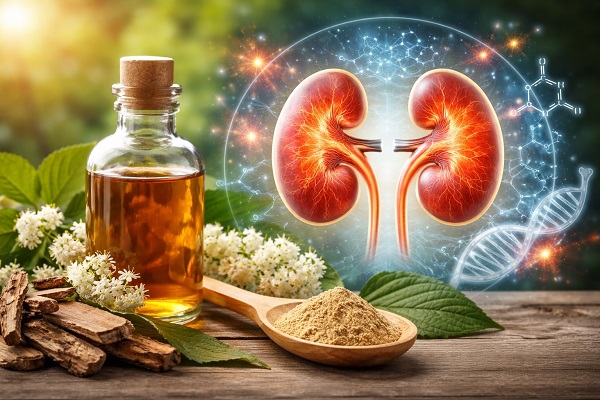 Esculetin, a plant-derived compound, may help stop early kidney injury from becoming chronic disease
What Exactly Is Esculetin
Esculetin is a phytochemical compound belonging to a group of plant chemicals known as coumarins. It is extracted primarily from the bark of the ash tree (Fraxinus), commonly used in traditional Chinese medicine. For decades, esculetin has been studied for its strong anti-inflammatory, antioxidant, and immune-regulating effects.
What makes esculetin particularly interesting is its ability to act on multiple biological systems at once. Unlike many modern drugs that target a single pathway, esculetin appears to reduce inflammation, protect cells from oxidative damage, and regulate immune responses simultaneously. This combination makes it a promising candidate for complex diseases like kidney disorders, where multiple damaging processes occur at the same time.
Who Conducted the Study
The study was carried out by researchers from the College of Pharmacy, Heilongjiang University of Chinese Medicine (China); Yunnan Key Laboratory of Southern Medicine Utilization, Institute of Medicinal Plant Development, Chinese Academy of Medical Sciences & Peking Union Medical College (China); Xishuangbanna Dai Autonomous Prefecture Institute of Drug Supervision and Inspection (China); and Xishuangbanna Dai Medicine Research Institute Co., Ltd. (China).
How the Research Was Done
To understand how esculetin works, scientists used a controlled animal model where mice were given a compound that induces kidney injury similar to human disease. Over four weeks, some of these mice were treated with esculetin to evaluate its protective effects.
The untreated mice developed severe kidney damage, including swelling, inflammation, and reduced kidney function. In contrast, mice receiving esculetin showed significant improvement in both kidney structure and performance.
Significant Improvements in Kidney Function
One of the clearest findings was the reduction in harmful waste products in the blood. Levels of creatinine and urea - key indicators of kidney function - were much lower in the esculetin-treated group.
Additionally, examination of kidney tissue revealed less structural damage. The kidneys showed fewer signs of swelling, reduced inflammatory cell buildup, and overall healthier tissue architecture.
Powerful Anti-Inflammatory Effects
Inflammation is one of the main drivers of kidney disease progression. The study found that esculetin significantly reduced levels of inflammatory molecules such as IL-1β, IL-6, and TNF-α. These substances are known to worsen tissue d
amage and accelerate disease.
At the same time, esculetin helped restore antioxidant defenses. It reduced harmful oxidative molecules while boosting protective enzymes that neutralize cellular damage. This dual action is critical in slowing disease progression.
Preventing Kidney Scarring and Long-Term Damage
A major concern in CKD is fibrosis, or scarring of kidney tissue, which leads to permanent loss of function. The study showed that esculetin reduced collagen buildup in the kidneys, indicating less scarring.
It also reversed a harmful cellular transformation process that turns healthy kidney cells into scar-forming cells. By stopping this process, esculetin helps preserve normal kidney structure and function.
How Esculetin Works at the Molecular Level
The researchers discovered that esculetin blocks a key signaling pathway responsible for inflammation and fibrosis. This pathway acts like a chain reaction inside cells, amplifying damage signals.
By interrupting this chain, esculetin prevents the activation of harmful genes and reduces the production of inflammatory and fibrotic factors. This mechanism explains why the compound has such broad protective effects.
This
Medical News report highlights that esculetin does not just mask symptoms but directly targets the underlying biological processes that drive kidney disease progression.
Why Early Intervention Matters
The benefits of esculetin were most pronounced when used during the early stages of kidney injury. This suggests it may be especially useful as a preventive treatment, stopping disease before it becomes irreversible.
Importantly, the compound also demonstrated a strong safety profile in animal studies, with low toxicity and a wide therapeutic range.
Conclusions
The findings of this study suggest that esculetin could become a valuable addition to future strategies aimed at preventing chronic kidney disease. Its ability to simultaneously reduce inflammation, combat oxidative stress, and prevent tissue scarring makes it uniquely suited for addressing the complex nature of kidney damage. While further clinical studies in humans are needed, the current evidence strongly supports its potential as a safe, natural, and effective preventive therapy. If confirmed in future trials, esculetin could help reduce the global burden of kidney disease and offer new hope for patients at risk of progression from acute injury to chronic illness.
The study findings were published in the peer reviewed journal: Pharmaceuticals.
https://www.mdpi.com/1424-8247/19/4/578
For the latest news, keep on logging to Thailand
Medical News.
Read Also:
https://www.thailandmedical.news/articles/nephrology-(kidneys)




 Share
Share
 Tweet
Tweet
 Share
Share