Breakthrough Anti Inflammatory Drug L27 Derived from the Phytochemical Braylin Shows Powerful Results
Nikhil Prasad Fact checked by:Thailand Medical News Team Apr 27, 2026 5 months, 1 week, 1 day, 11 hours, 10 minutes ago
Medical News: A team of scientists in China has developed a powerful new anti-inflammatory compound derived from a natural plant-based molecule, offering fresh hope for safer and more effective treatments for chronic inflammatory diseases. The research focuses on a modified version of a phytochemical called braylin, which has been transformed into a highly potent drug candidate known as L27.
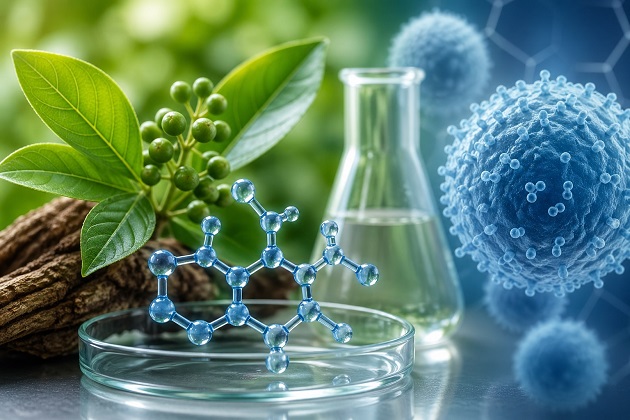 A plant-derived compound transformed into a potent anti-inflammatory drug candidate shows strong laboratory results
Why Inflammation Needs Better Treatments
A plant-derived compound transformed into a potent anti-inflammatory drug candidate shows strong laboratory results
Why Inflammation Needs Better Treatments
Inflammation plays a central role in many serious health conditions, including asthma, arthritis, chronic obstructive pulmonary disease (COPD), and autoimmune disorders. Current medications often target an enzyme known as PDE4, which regulates inflammation inside cells. While several PDE4 inhibitors are already in use, their widespread application has been limited due to side effects such as nausea, vomiting, and gastrointestinal discomfort.
To address these limitations, researchers from the Key Laboratory of Tropical Biological Resources of the Ministry of Education, School of Pharmaceutical Sciences, Hainan University, Haikou, China, and the School of Pharmaceutical Sciences, Song Li’s Academician Workstation of Hainan University, Sanya, China, explored a natural compound called Braylin as a starting point for developing a safer alternative. Their work and findings are covered in this
Medical News report.
Braylin and Its Plant Origins
Braylin is a naturally occurring phytochemical belonging to a class of compounds known as coumarins. It is derived from the plant Toddalia asiatica, a traditional medicinal plant widely used in parts of Asia and Africa. This plant has long been valued in herbal medicine for treating conditions such as rheumatic pain, injuries, stomach discomfort, and toothaches.
Scientific interest in braylin has grown due to its ability to inhibit PDE4, although only at moderate levels. Its relatively simple chemical structure and natural origin made it an attractive starting point for drug development. Researchers believed that by modifying braylin’s structure, they could significantly enhance its therapeutic potential while maintaining its natural advantages.
Transforming Braylin into a Potent Drug
Using advanced structural biology and computer-guided design, the research team created a series of modified compounds based on braylin. These were carefully engineered to improve how strongly they bind to the PDE4 enzyme.
Among all the tested compounds, L27 emerged as the most promising. It showed a dramatic improvement in potency, with the ability to inhibit PDE4 at concentrations nearly 14 times lower than the original braylin molecule. This means L27 can achieve the same or better therapeutic effects at much lower doses.
Strong Anti-Inflammatory Effects in Laboratory Tests
The res
earchers conducted extensive laboratory experiments to evaluate L27’s effectiveness. In immune cell models stimulated to produce inflammation, L27 significantly reduced the release of harmful inflammatory substances, including nitric oxide and key cytokines such as TNF-alpha, IL-6, and IL-1 beta.
These reductions were dose-dependent, meaning higher amounts of L27 produced stronger anti-inflammatory effects. Importantly, the compound did not show toxic effects on healthy cells even at relatively high concentrations, indicating a potentially safer profile.
Further analysis confirmed that L27 works by tightly binding to the PDE4 enzyme, blocking its activity and helping to regulate inflammatory signaling pathways within cells.
Why L27 Stands Out
What makes L27 particularly exciting is its combination of strength, selectivity, and safety. The compound not only demonstrated high potency but also showed strong selectivity for its target enzyme, reducing the likelihood of unwanted side effects caused by interactions with other biological pathways.
Additionally, its performance was comparable to existing PDE4 drugs in laboratory settings, suggesting it could eventually serve as an alternative or even a superior option in clinical use.
Conclusion
The development of L27 from the natural phytochemical braylin highlights the immense potential of plant-derived compounds in modern medicine. By applying advanced scientific techniques to a traditional medicinal molecule, researchers have created a next-generation anti-inflammatory candidate that could overcome many of the limitations of current treatments. L27’s strong efficacy, targeted action, and favorable safety profile make it a highly promising candidate for future drug development. However, further studies, including animal and human trials, will be essential to confirm its real-world effectiveness and safety. If successful, this compound could mark a major breakthrough in the treatment of chronic inflammatory diseases, offering patients more effective and better-tolerated therapeutic options.
The study findings were published in the peer reviewed journal: Pharmaceutics.
https://www.mdpi.com/1999-4923/18/5/516
For the latest on new drugs or phytochemicals to treat chronic inflammatory diseases, keep on logging to Thailand
Medical News.
Read Also:
https://www.thailandmedical.news/articles/herbs-and-phytochemicals
https://www.thailandmedical.news/articles/alzheimer,-dementia-




 Share
Share
 Tweet
Tweet
 Share
Share