Nikhil Prasad Fact checked by:Thailand Medical News Team Jun 30, 2026 1 month, 2 weeks, 5 days, 19 hours, 3 minutes ago
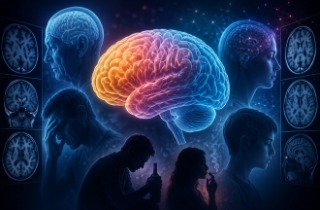
Medical News: A new scientific study has revealed that a natural compound found in ginseng could help reduce inflammation in the brain, raising hopes for new approaches to conditions such as Alzheimer’s disease, depression, and stroke.
The research was conducted by scientists from the Department of Neuroanatomy and Molecular Brain Research at Ruhr University Bochum in Germany, the Department of Clinical Pharmacology at Ruhr University Bochum, and the Department of Psychiatry and Psychotherapy at Heinrich Heine University Düsseldorf in Germany.
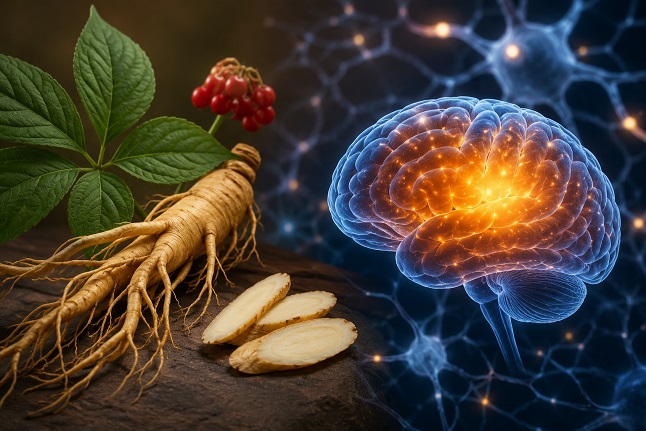 Natural ginseng compound may help reduce brain inflammation and restore healthy brain cell function
Understanding Brain Inflammation
Natural ginseng compound may help reduce brain inflammation and restore healthy brain cell function
Understanding Brain Inflammation
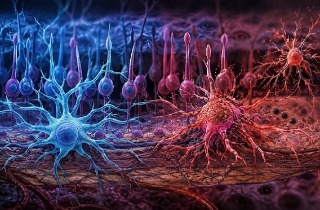
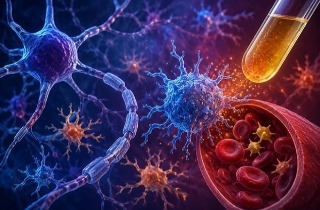
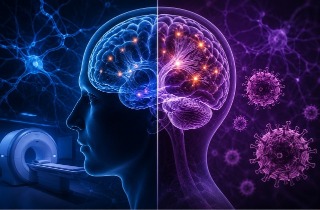
Inflammation in the brain involves specialized support cells known as microglia and astrocytes. These cells play a crucial role in protecting brain tissue and maintaining normal neurological function. However, when they become overactive, they can trigger harmful inflammatory responses that contribute to a wide range of neurological and psychiatric disorders.
Microglia act as the brain’s immune defense system, while astrocytes help regulate communication between brain cells. When both cell types become excessively activated, they can create a cycle of inflammation that damages brain cells and disrupts normal brain activity.
How the Study Was Conducted
To better understand the effects of ginseng, researchers developed a laboratory model that mimics both healthy and inflamed brain environments. They tested ginsenoside Rg1, a key active compound found in ginseng, along with both low and high doses of ginseng extract.
The goal was to observe how these treatments influenced inflammation, cell survival, and communication between brain cells under controlled conditions.
Key Findings from the Study
The study revealed several important findings that highlight the therapeutic potential of ginseng compounds.
Ginsenoside Rg1 and low-dose ginseng extract were found to significantly reduce the activity of overactive microglia. These immune cells shifted from an aggressive inflammatory state to a more stable and balanced condition, indicating a strong anti-inflammatory effect.
The treatments also reduced the number of harmful microglial cells under inflamed conditions. This suggests that these compounds may help control excessive immune responses in the brain.
Another major finding was that ginsenoside Rg1 improved communication between astrocytes by increasing levels of connexin 43, a protein essential for cell-to-cell signaling. This improved communication helps stabilize brain function, especially during inflammatory stress.
The study also showed enhanced connectivity between brain cells, allowing them to function more efficiently and in a coordinated manner. This effect was particularly evident in inflamed conditions where communication is usually impaired.
However, high doses of ginseng extract were found to reduce overall cell viability, indicating that exces
sive amounts may harm brain cells instead of protecting them.
Additional Scientific Insights
This
Medical News report highlights that ginsenoside Rg1 not only reduces inflammation but also helps restore balance between different brain cell types. It prevents the breakdown of communication pathways that typically occurs during inflammation, thereby supporting overall brain stability.
The compound also appears to influence microglia in a way that encourages them to return to a protective role rather than a harmful one. This ability to shift immune cell behavior could be key in slowing disease progression.
At the same time, the study clearly demonstrates that dosage is critical. While low doses provide beneficial anti-inflammatory effects, higher doses may negatively impact cell health.
Conclusion
This study provides strong evidence that ginseng-derived compounds, particularly ginsenoside Rg1, have significant potential in reducing brain inflammation and supporting healthier brain function. By calming overactive immune cells, improving communication between brain cells, and restoring cellular balance, these compounds may offer a promising pathway for future treatments of neurological and psychiatric disorders. However, the findings also emphasize that proper dosing is essential, as excessive amounts may reduce cell viability and limit therapeutic benefits. Further research, especially in human clinical studies, will be necessary to confirm these effects and establish safe and effective treatment protocols.
The study findings were published in the peer reviewed journal: Pharmaceutics.
https://www.mdpi.com/1999-4923/18/7/806
For the latest on preventing or treating brain inflammation, keep on logging to Thailand
Medical News.
Read Also:
https://www.thailandmedical.news/news/ginger-compound-and-drug-combo-shows-new-hope-for-ms-recovery-and-reducing-neuroinflammation
https://www.thailandmedical.news/articles/herbs-and-phytochemicals




 Share
Share
 Tweet
Tweet
 Share
Share