Thailand Medical Researchers Discover Natural Compound from Moringa That Halts Breast Cancer Spread
Nikhil Prasad Fact checked by:Thailand Medical News Team Sep 15, 2025 11 months, 2 weeks, 3 days, 15 hours, 21 minutes ago
Thailand Medical News: A breakthrough in breast cancer research
Thailand Medical Researchers from Naresuan University, Nakhonratchasima College, Srinakharinwirot University, and Université de Strasbourg, France, have identified a powerful natural compound from the Moringa oleifera plant that can slow down the growth and spread of triple-negative breast cancer (TNBC). This form of breast cancer is the most aggressive, difficult to treat, and often resistant to current therapies. According to this
Thailand Medical News report, the discovery shines light on a promising future alternative treatment pathway that could potentially save thousands of lives worldwide.
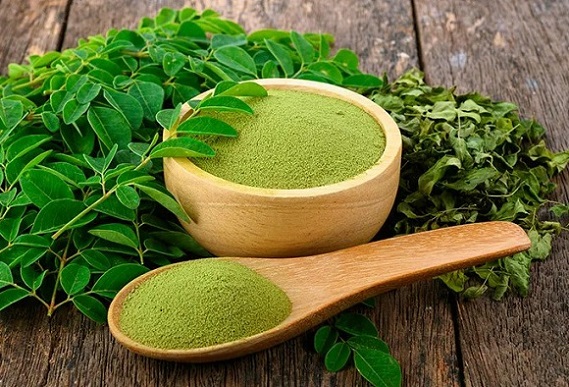 Thailand Medical Researchers Discover Natural Compound from Moringa That Halts Breast Cancer Spread
The role of 3-Hydroxy-β-ionone
Thailand Medical Researchers Discover Natural Compound from Moringa That Halts Breast Cancer Spread
The role of 3-Hydroxy-β-ionone
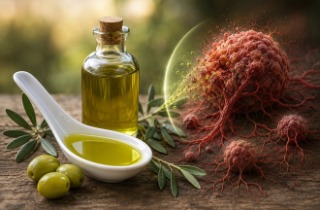
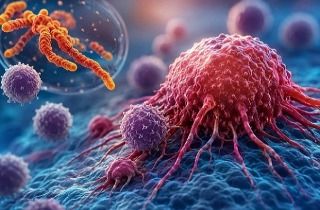
The compound in focus is 3-Hydroxy-β-ionone (3-HBI), a natural substance found in Moringa leaves. Researchers discovered that it can stop cancer cells from multiplying and even trigger them to self-destruct through a process known as apoptosis. More importantly, it also blocks a mechanism called epithelial-to-mesenchymal transition (EMT), which normally allows cancer cells to spread and invade other organs.
How the study was conducted
The research team tested the compound on several types of breast cancer cells, including TNBC, hormone-sensitive breast cancer cells, and normal fibroblast cells. They found that 3-HBI was highly toxic to cancer cells but safe for normal cells. It reduced tumor cell survival, decreased their ability to form colonies, and significantly slowed migration and invasion in laboratory tests.
The study combined computer simulations and lab experiments. Computer docking studies showed that 3-HBI could attach strongly to proteins responsible for controlling cell death and cancer spread, including Bax, Bcl-2, caspase-3, Smad2, and Smad3. These predictions were confirmed with biological tests showing increased activity of “death-inducing” proteins and suppression of cancer-promoting ones.
Key findings from the research
Cancer cell death: 3-HBI boosted the activity of proteins like Bax and caspase-3, while reducing Bcl-2, a protein that helps cancer cells survive.
Blocking cancer spread: It suppressed Smad2 and Smad3 proteins in the TGF-β/Smad pathway, which is essential for EMT and metastasis.
Restoring normal balance: 3-HBI increased E-cadherin (a protein that holds cells together) and reduced N-cadherin (linked to cancer spread), reversing aggressive traits of TNBC cells.
Safety profile: Unlike chemotherapy drugs, 3-HBI did not harm normal fibroblast cells and in some cases even improved their survival.
What this means for the future
Triple-negative breast ca
ncer remains one of the most dangerous forms of cancer, often returning after treatment and spreading quickly to vital organs. Current treatments like chemotherapy carry severe side effects, including nerve damage and long-term toxicity. The discovery of 3-HBI’s dual role in both killing cancer cells and preventing metastasis suggests that this compound could be developed into a safe and effective therapy.
While the results are still in the early stages and further testing in live models and clinical trials will be needed, the findings bring hope that nature-derived solutions may offer a new lifeline for patients battling TNBC. This study emphasizes the potential of traditional plants like Moringa, long valued in Asian medicine, as a source of powerful modern therapies.
The study findings were published in the peer reviewed International Journal of Molecular Sciences.
https://www.mdpi.com/1422-0067/26/18/8771
For the latest on breast cancer, keep on logging to
Thailand Medical News.
Read Also:
https://www.thailandmedical.news/news/new-drug-duo-shows-promise-in-deadly-triple-negative-breast-cancer
https://www.thailandmedical.news/news/harvard-study-finds-that-drug-commonly-used-to-treat-breast-cancer-actually-causes-uterine-tumors
https://www.thailandmedical.news/news/new-breakthrough!-flavonoid-found-to-suppress-key-gene-in-aggressive-breast-cancer-cells




 Share
Share
 Tweet
Tweet
 Share
Share