Nikhil Prasad Fact checked by:Thailand Medical News Team Jan 26, 2026 8 months, 1 week, 2 days, 7 hours, 48 minutes ago
Medical News: Colorectal cancer is no longer just a disease of old age, and scientists are now uncovering how everyday food choices may quietly influence cancer risk at a molecular level. New research shows that diet can alter how genes behave without changing the DNA itself, a process known as epigenetics, and these changes may play a major role in the growing global burden of colorectal cancer.
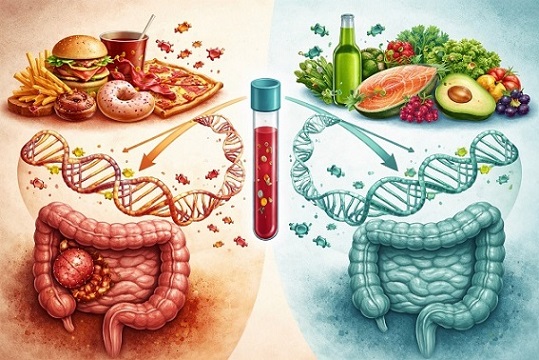 Dietary habits may silently reprogram genes and influence colorectal cancer risk through epigenetic changes
This
Medical News report highlights findings from researchers at the Faculty of Biology, University of Bucharest, Romania; the Faculty of Midwifery and Nursing, Carol Davila University of Medicine and Pharmacy, Bucharest; and the Dr Carol Davila Central Military Emergency University Hospital, Bucharest.
Why Colorectal Cancer Is Rising
Colorectal cancer remains one of the most common and deadly cancers worldwide. While better screening has helped older adults, cases among people under 50 are increasing at an alarming rate. Scientists believe genetics alone cannot explain this trend. Lifestyle factors such as poor diet, obesity, physical inactivity, and metabolic disorders are now seen as key contributors, especially through their impact on inflammation and long-term cellular stress.
How Diet Can Reprogram Genes
Epigenetics refers to chemical tags that switch genes on or off. Two major mechanisms are DNA methylation and microRNAs, tiny molecules that fine tune gene activity. The study explains that unhealthy Western style diets, rich in processed foods, red meat, sugars, and unhealthy fats, can cause a dangerous double effect. They reduce protective DNA methylation across the genome, leading to instability, while at the same time excessively silencing important tumor suppressor genes that normally protect against cancer.
The Western Diet and Cancer Risk
The researchers found that Western dietary patterns promote chronic inflammation and disrupt gut bacteria. This leads to harmful byproducts that damage DNA and silence genes responsible for repairing genetic errors. Certain protective microRNAs are also switched off, removing another layer of defense. Over time, these combined changes create an environment where cancer can start and progress more easily, even in younger individuals.
Mediterranean Diet Shows Protective Effects
In contrast, the Mediterranean diet appears to support healthy gene regulation. Foods rich in fiber, fruits, vegetables, olive oil, fish, and natural plant compounds help restore balanced DNA methylation. These nutrients also support beneficial gut bacteria that produce protective substances such as butyrate, which helps keep cancer related genes under control. Some natural compounds can even reactivate genes that were previously silenced by unhealthy diets.
Liquid Biopsies Offer New Hope
One of the most promising aspects of the study is the use of liquid biopsies. These simple blood tests can d
etect tiny fragments of DNA and microRNAs released by cells. Researchers suggest that diet related epigenetic changes can be tracked through these blood markers, allowing early detection of cancer risk and monitoring how lifestyle changes may reverse harmful patterns before disease develops.
What The Findings Mean
The conclusions of the study emphasize that diet is not just about calories or weight but directly influences how genes behave over time. By understanding how food driven epigenetic changes increase or reduce cancer risk, doctors may one day use personalized nutrition plans alongside liquid biopsy monitoring to prevent colorectal cancer more effectively and catch it much earlier.
The study findings were published in the peer reviewed journal: Biomedicines.
https://www.mdpi.com/2227-9059/14/2/267
For the latest on Colon Cancer, keep on logging to Thailand
Medical News.
Read Also:
https://www.thailandmedical.news/articles/cancer
https://www.thailandmedical.news/articles/genomics-and-epigenetics
https://www.thailandmedical.news/articles/diets-and-nutrition




 Share
Share
 Tweet
Tweet
 Share
Share

































