Nikhil Prasad Fact checked by:Thailand Medical News Team Feb 04, 2026 6 months, 3 weeks, 5 days, 13 hours, 20 minutes ago
Medical News:
Understanding the Growing Threat of RNA Viruses
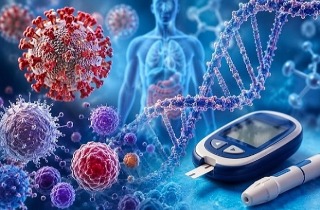
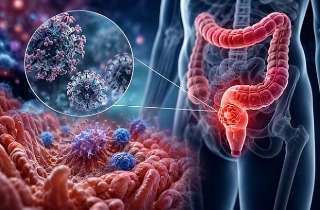
RNA viruses have long troubled global health systems because of their ability to mutate rapidly, jump from animals to humans, and spread quickly across borders. Influenza, Ebola, Zika, HIV, SARS, MERS and COVID-19 are all examples that have shown how difficult these viruses are to control using existing vaccines and antiviral drugs. Many treatments lose effectiveness as viruses evolve, leaving scientists searching for new solutions that can work across many virus types. This
Medical News report highlights promising findings from recent research that looks toward nature for answers.
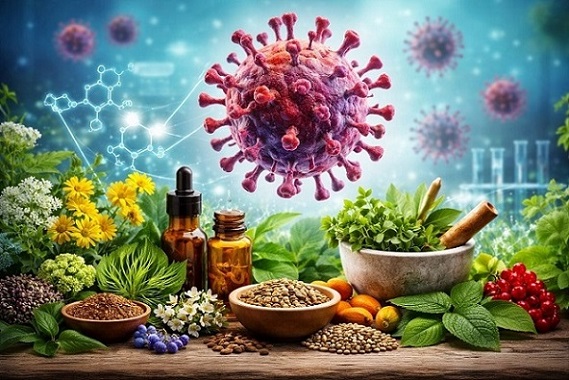 Scientists are turning to plant-based alkaloids as promising broad spectrum antiviral agents against rapidly mutating RNA viruses
What Are Alkaloids and Why They Matter
Scientists are turning to plant-based alkaloids as promising broad spectrum antiviral agents against rapidly mutating RNA viruses
What Are Alkaloids and Why They Matter
Alkaloids are natural compounds found mainly in plants and have been used in traditional medicine for centuries. Common examples include quinine, berberine and morphine. Scientists are now discovering that many alkaloids can block viruses in multiple ways. Unlike drugs that target only one viral step, alkaloids often interfere with viral entry into cells, slow down virus replication, block viral protein production, and even calm harmful inflammation triggered by infection.
How Alkaloids Fight RNA Viruses
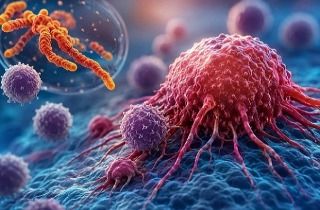
The reviewed study explains that alkaloids act at different stages of the viral life cycle. Some prevent viruses from attaching to human cells by blocking receptors such as ACE2. Others interfere with key viral enzymes like RNA dependent RNA polymerase, which viruses need to copy themselves. Certain alkaloids disrupt viral protein synthesis by targeting the host cell machinery that viruses hijack. Some compounds also strengthen immune responses or reduce excessive inflammation, which is often responsible for severe disease outcomes.
Strong Laboratory and Animal Evidence
Researchers found that many alkaloids showed strong antiviral activity in laboratory cell studies, with some working at extremely low concentrations. Compounds such as lycorine, emetine, cephaeline, tetrandrine and cepharanthine were shown to suppress viruses including SARS-CoV-2, Zika, Ebola, influenza and HIV. A smaller but important group of alkaloids was also tested in animal models, where they reduced viral loads, improved survival rates and protected organs such as the lungs and brain.
Challenges Before Human Use
Despite promising results, the study also highlights limitations. Many alkaloids suffer from poor absorption in the human body or can cause side effects at higher doses. Some findings are based only on computer simulations or lab experiments and need further confirmation in animals and humans. Researchers stress the need for better-designed studies, improved formulations and clearer understanding of how these compounds behave inside the body.
Institutions Behind the Research
The research was conducted by sci
entists from the Faculty of Medicine, University of Liège, Belgium, and the Faculty of Veterinary Medicine, University of Liège, Belgium.
Conclusion And Future Outlook
The findings strongly suggest that natural alkaloids represent a largely untapped resource for fighting RNA viruses. Their ability to act on multiple viral targets makes them especially attractive against fast mutating viruses. However, careful clinical development, safety testing and optimization are essential before these compounds can become approved treatments. With continued research, alkaloids could help shape the next generation of broad-spectrum antiviral therapies.
The study findings were published in the peer reviewed journal: Molecules.
https://www.mdpi.com/1420-3049/31/3/539
For the latest on Herbs and Phytochemicals, keep on logging to Thailand
Medical News.
Read Also:
https://www.thailandmedical.news/articles/herbs-and-phytochemicals




 Share
Share
 Tweet
Tweet
 Share
Share