Nikhil Prasad Fact checked by:Thailand Medical News Team Aug 23, 2026 41 minutes ago
COVID-19 is best known as a respiratory illness, but its effects can extend well beyond the lungs. Research suggests that severe infection can interfere with antidiuretic hormone (ADH), also called arginine vasopressin, potentially disturbing the body's careful control of water and sodium.
 COVID-19 may disrupt ADH activity and sodium balance, contributing to hyponatremia and potentially serious neurological complications
How COVID-19 May Disrupt ADH
COVID-19 may disrupt ADH activity and sodium balance, contributing to hyponatremia and potentially serious neurological complications
How COVID-19 May Disrupt ADH
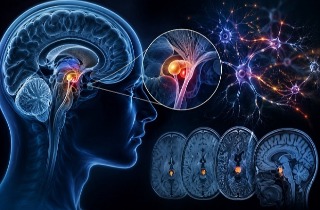
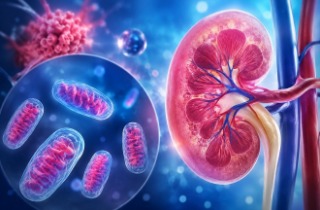
Normally, ADH is produced in the hypothalamus and released through the pituitary gland. Its main job is to tell the kidneys how much water to conserve. This system helps maintain healthy blood volume, blood pressure, and sodium concentration.
During severe COVID-19, however, inflammation may disrupt this balance. Researchers have linked inflammatory signals, particularly interleukin-6 (IL-6), with increased ADH release. Pneumonia, reduced oxygen levels, pain, nausea, stress, and mechanical ventilation may also encourage the body to release more ADH than it normally would.
The result can be excessive water retention even when the body does not actually need additional fluid.
When Too Much ADH Becomes a Problem
Excessive ADH activity can contribute to syndrome of inappropriate antidiuretic hormone secretion, commonly called SIADH. Instead of allowing excess water to leave through urine, the kidneys continue returning water to the bloodstream.
Importantly, SIADH does not simply mean the body has "lost" sodium. Retained water can dilute sodium already circulating in the blood, producing hyponatremia, the medical term for an abnormally low blood sodium concentration.
In this Thailand
Medical News report, the findings highlight why sodium measurements can provide physicians with important information about complications developing during severe COVID-19.
Low Sodium Can Affect the Brain
Studies have found hyponatremia to be relatively common among hospitalized COVID-19 patients, although reported rates vary according to the population studied and how low sodium is defined.
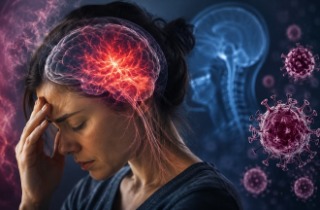
The consequences depend partly on how far and how quickly sodium falls. Mild cases may produce few symptoms, while worsening hyponatremia can cause headache, nausea, weakness, fatigue, confusion, and difficulty concentrating.
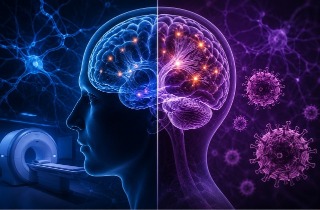
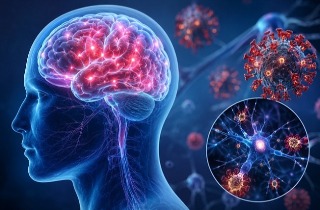
A rapid or severe decline is particularly concerning because changes in the concentration of water and sodium can cause brain cells to swell. Severe hyponatremia can result in seizures, significantly reduced consciousness, coma, and other life-threatening complications.
Researchers have also associated low sodium in hospitalized COVID-19 patients with greater disease severity and poorer clinical outcomes. However, hyponatremia can have several causes, meaning doctors must determine whether SIADH, medications, kidney problems, fluid loss, or another condition is responsible.
Why Monitoring Matters
Recognizing abnormal sodium levels early allows clinicians
to investigate the underlying cause and choose treatment carefully. Depending on the patient's condition, management can include treating COVID-19 and other triggers, adjusting fluid intake, reviewing medications, and correcting sodium under close medical supervision.
Conclusion
The findings reinforce that severe COVID-19 can affect much more than breathing. By disturbing hormonal control of water and sodium, the illness may contribute to potentially serious electrolyte abnormalities that require careful diagnosis, monitoring, and appropriately controlled treatment.
References:
https://pmc.ncbi.nlm.nih.gov/articles/PMC9441642/
https://www.mdpi.com/1467-3045/46/11/698
https://www.sciencedirect.com/science/article/pii/S075333222100977X
https://journals.physiology.org/doi/full/10.1152/ajpendo.00178.2020
https://pmc.ncbi.nlm.nih.gov/articles/PMC9949740/
https://pmc.ncbi.nlm.nih.gov/articles/PMC7658592/
https://pmc.ncbi.nlm.nih.gov/articles/PMC10544976/
https://pmc.ncbi.nlm.nih.gov/articles/PMC7276977/
https://pmc.ncbi.nlm.nih.gov/articles/PMC7989362/
https://www.intechopen.com/chapters/86571
Read Also:
https://www.thailandmedical.news/articles/coronavirus
https://www.thailandmedical.news/articles/long-covid




 Share
Share
 Tweet
Tweet
 Share
Share