Nikhil Prasad Fact checked by:Thailand Medical News Team Jan 31, 2026 6 months, 3 days, 21 hours, 53 minutes ago
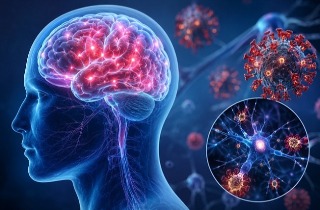
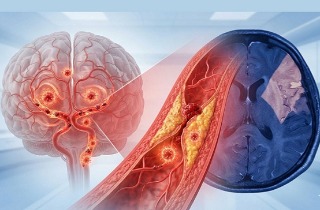
Medical News: Glioblastoma remains one of the most aggressive and difficult brain cancers to treat, with current medical approaches offering only limited survival and often causing serious side effects. A new laboratory study now suggests that natural substances produced by beneficial bacteria, known as postbiotics, may help improve treatment effectiveness while also protecting healthy brain cells from damage.
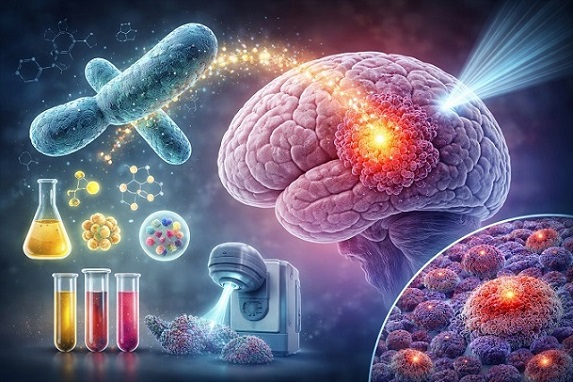 Postbiotics from probiotic bacteria may strengthen brain cancer treatments while protecting healthy cells
Why Glioblastoma Continues to Defy Treatment
Postbiotics from probiotic bacteria may strengthen brain cancer treatments while protecting healthy cells
Why Glioblastoma Continues to Defy Treatment
Glioblastoma forms from glial cells in the brain and is notorious for its extreme diversity. Even within a single tumor, cancer cells behave differently, allowing some to survive surgery, chemotherapy, and radiation. Standard care combines tumor removal with radiotherapy and the chemotherapy drug temozolomide, yet average survival remains just over a year. One key reason is treatment escape, where cancer cells enter a dormant state called senescence instead of dying, only to later fuel tumor regrowth.
What Are Postbiotics and Why They Matter
Researchers from the Medical University of Lodz, the University of Lodz, and Copernicus Memorial Hospital in Lodz Comprehensive Cancer Center explored whether postbiotics could address these challenges. Postbiotics are bioactive compounds produced by probiotic bacteria after fermentation. Unlike live probiotics, they do not contain living organisms but instead include a wide range of biologically active substances.
In this
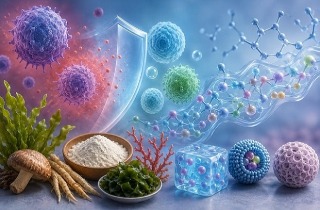
Medical News report, scientists focused on postbiotics derived from Lactiplantibacillus plantarum and Lacticaseibacillus rhamnosus, two well studied and widely used probiotic strains. The postbiotics examined included short chain fatty acids such as butyrate, organic acids like lactic acid, small peptides, bacterial enzymes, polysaccharides, phenolic compounds, and extracellular vesicles. Many of these molecules are known to cross the blood brain barrier and directly interact with brain cells.
How Postbiotics Act Inside the Body
Short chain fatty acids, especially butyrate, are known to regulate inflammation, influence gene expression, and trigger cancer cell death. Phenolic compounds and organic acids provide antioxidant effects that help reduce oxidative stress. Polysaccharides and bacterial peptides are believed to modulate immune responses, while extracellular vesicles can carry signaling molecules that influence how cells respond to stress and damage.
Key Findings from The Study
The researchers tested these postbiotics on glioblastoma cell lines, four patient derived tumor samples, and normal human astrocytes and fibroblasts. The results showed that postbiotics alone were able to slow tumor growth and trigger cancer cell death, while leaving healthy cells largely unharmed.
When combined with temozolomide or a newer experimental drug called ARA12, postbiotics significantly increased cancer cell apoptosis, a clean form of progra
mmed cell death. Importantly, postbiotics reduced treatment induced senescence, shifting cancer cells away from dormancy and toward irreversible death. At the same time, healthy brain cells exposed to chemotherapy showed improved survival when postbiotics were present.
Radiation Effects and Patient Variability
Postbiotics also influenced responses to radiation therapy. In laboratory models, they slightly increased tumor sensitivity to radiation while protecting normal fibroblast cells at higher doses. However, responses varied across patient derived tumors, reflecting the well-known heterogeneity of glioblastoma.
Why These Findings Matter
The conclusions are compelling and clinically relevant. Postbiotics appear to enhance existing cancer treatments, reduce harmful side effects, and limit therapy resistance, all while being derived from safe and well tolerated bacterial sources. While human trials are still needed, these findings suggest that postbiotic based adjunct therapies could one day improve both survival and quality of life for glioblastoma patients.
The study findings were published in the peer reviewed journal: Cells.
https://www.mdpi.com/2073-4409/15/3/226
For the latest on Glioblastoma research, keep on logging to Thailand
Medical News.
Read Also:
https://www.thailandmedical.news/articles/cancer




 Share
Share
 Tweet
Tweet
 Share
Share