Nikhil Prasad Fact checked by:Thailand Medical News Team Apr 15, 2026 5 months, 2 weeks, 5 days, 5 hours, 12 minutes ago
Medical News: A new scientific study is drawing attention to an unexpected factor in human papillomavirus (HPV) infections - the gut microbiome. Researchers have found that chemical compounds produced by gut bacteria, known as metabolites, may play a significant role in influencing how the body responds to HPV, offering new insights into infection persistence and disease progression.
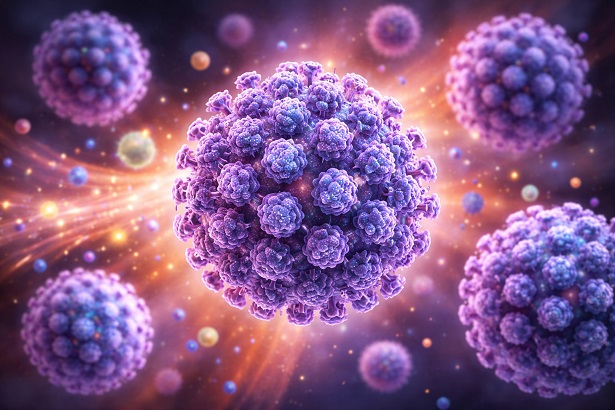 Gut bacterial metabolites may influence HPV by altering immune pathways and inflammation
Looking Beyond the Cervix to the Gut
HPV is one of the most widespread viral infections globally and is responsible for nearly 90 percent of cervical cancer cases. Traditionally, research has focused on the vaginal microbiome as the primary environment influencing HPV. However, this new study highlights the gut as a powerful regulator of immune responses across the body.
The research team from the Second Affiliated Hospital of Shandong University of Traditional Chinese Medicine, The Second Clinical Medical College of Shandong University of Traditional Chinese Medicine, and the College of Acupuncture and Tuina at Shandong University of Traditional Chinese Medicine in Jinan, China, investigated how gut-derived metabolites interact with HPV infection mechanisms.
Their findings suggest that these metabolites can enter the bloodstream and affect immune activity in distant tissues, including the cervix, supporting the idea of a “gut-cervix axis.”
Mapping the Biological Connections
Using a network pharmacology approach, the scientists identified 43 shared biological targets linking gut microbial metabolites and HPV infection. Among these, 10 core targets stood out, including IL6, IL1B, AKT1, CASP3, NFKB1, EGFR, PPARG, JUN, PTGS2, and TLR4.
These molecules are deeply involved in inflammation, immune signaling, and cell survival - key processes that influence whether HPV infections are cleared or persist.
Further analysis revealed that these targets are part of major immune pathways such as the TNF signaling pathway, Toll-like receptor signaling pathway, C-type lectin receptor signaling pathway, and IL-17 signaling pathway. These pathways regulate how the body detects viral threats, triggers inflammation, and controls abnormal cell growth.
The Role of Inflammation and Oxidative Stress
The study also found that many of the identified targets are linked to responses to oxidative stress and bacterial components like lipopolysaccharides. These processes can drive chronic inflammation, which is known to support viral persistence and increase the risk of cellular damage.
HPV itself can manipulate these pathways to evade immune detection, making it harder for the body to eliminate the virus.
This
Medical News report highlights how gut-derived metabolites may act as hidden regulators of these processes, potentially amplifying or suppressing immune responses depending on their type and concentr
ation.
Succinate Identified as a Key Metabolite
Among the 13 metabolites analyzed, succinate emerged as the most significant. This naturally occurring compound, produced by gut bacteria, showed strong interaction with IL1B, a major inflammatory molecule.
Molecular docking simulations demonstrated that succinate can bind effectively to IL1B, suggesting it may influence inflammatory signaling during HPV infection. This interaction could help explain how certain immune responses are intensified, potentially contributing to long-term viral persistence.
Importantly, succinate also showed favorable drug-like properties and a relatively safe toxicological profile, making it a promising candidate for future therapeutic exploration.
Other Beneficial and Complex Metabolites
The study also identified short-chain fatty acids such as acetate, propionate, and butyrate. These compounds are well known for their roles in maintaining gut health and regulating immunity.
Butyrate, for example, has anti-inflammatory and anti-tumor properties, while propionate helps maintain epithelial barrier integrity. Acetate can enhance immune responses but may also have potential adverse effects depending on context.
These findings highlight the complexity of gut metabolites, which can have both protective and harmful effects depending on biological conditions.
Implications for Future HPV Strategies
The results suggest that targeting gut microbiota or their metabolites could open new avenues for managing HPV infections. Approaches such as dietary modification, probiotics, or drugs targeting specific metabolic pathways may help influence the immune environment in ways that reduce viral persistence.
However, the researchers emphasize that these findings are based on computational models and require further validation through laboratory and clinical studies.
Conclusion
This study offers a new perspective on HPV infection by uncovering the potential role of gut microbial metabolites in shaping immune responses and disease mechanisms. By identifying key targets, pathways, and metabolites such as succinate, the research provides a foundation for future investigations into how the gut microbiome influences viral infections beyond its immediate environment.
While more evidence is needed, these findings suggest that the gut-cervix connection could become an important focus in the fight against HPV and its associated diseases.
The study findings were published in the peer reviewed journal: PLOS One.
https://journals.plos.org/plosone/article?id=10.1371/journal.pone.0346716
For the latest on HPV, keep on logging to Thailand
Medical News.
Read Also:
https://www.thailandmedical.news/articles/stds




 Share
Share
 Tweet
Tweet
 Share
Share

































