Nikhil Prasad Fact checked by:Thailand Medical News Team Aug 08, 2026 1 month, 4 weeks, 6 hours, 21 minutes ago
COVID-19 may have lasting effects on the body’s ability to control blood sugar, with growing evidence suggesting that SARS-CoV-2 can interfere with pancreatic beta cells, the specialized cells responsible for producing and releasing insulin. Researchers warn that these disturbances could help explain why some people develop abnormal blood sugar or newly diagnosed diabetes during or after COVID-19.
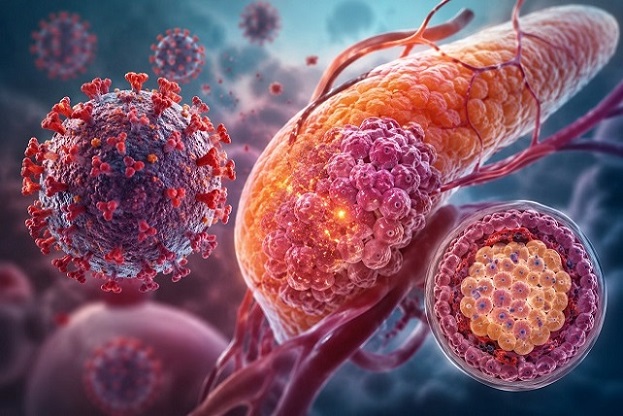 COVID-19 may disrupt insulin-producing beta cells, potentially causing persistent blood-sugar abnormalities
and increasing the risk of newly diagnosed diabetes
The findings come from an extensive scientific review by Victoria Tsvetkova and Katya Todorova, who examined evidence on how COVID-19 affects beta-cell function, insulin secretion and long-term metabolic health.
The researchers are from the Department of Cardiology, Pulmonology and Endocrinology, Medical University, Pleven, Bulgaria, and the Clinic of Endocrinology and Metabolic Disease, University Hospital Georgi Stranski, Pleven, Bulgaria.
Beta Cells Are Critical for Controlling Blood Sugar
Beta cells are located in the pancreas and act as part of the body’s blood-sugar control system. When glucose levels rise, these cells detect the change and release insulin. Insulin then helps glucose move from the bloodstream into tissues where it can be used or stored.
The review shows that COVID-19-associated beta-cell dysfunction is unlikely to result from one single mechanism. Instead, several biological problems may work together, including chronic inflammation, oxidative stress, mitochondrial dysfunction, insulin resistance, cellular stress, disrupted calcium signaling, blood-vessel injury and possibly direct viral effects.
Studies using isolated human pancreatic islets and experimental models have shown that SARS-CoV-2 can infect endocrine pancreatic cells under certain conditions, with reported consequences including impaired insulin secretion, mitochondrial injury and cellular stress. However, researchers emphasize that direct beta-cell infection does not appear to be a universal explanation.
A Chain Reaction Could Weaken Insulin Production
One major concern involves mitochondria, the structures inside cells that generate energy. Beta cells require this energy to respond properly to glucose and release insulin.
COVID-19-associated inflammation may increase the production of damaging molecules known as reactive oxygen species. Excessive amounts can damage mitochondrial proteins, fats and DNA. Damaged mitochondria can then generate additional oxidative stress, potentially creating a self-reinforcing cycle that further weakens beta-cell function.
Inflammatory molecules may simultaneously suppress insulin production, interfere with glucose-triggered insulin release and increase cellular stress.
As this Thailand
Medical News report explains, the problem may therefore involve several interconnected biological disturbances rather than SARS-CoV-2 simply destroying insulin-producing cells.
COVID-19 May Reveal Previously Unreco
gnized Diabetes Risk
Another important finding is that high blood sugar during COVID-19 does not necessarily mean a person has developed permanent diabetes.
Severe illness can produce powerful inflammatory responses, increase stress hormones and cause temporary insulin resistance. Glucocorticoid medications frequently used during serious illness can also increase blood glucose. Some patients meeting diabetes criteria while hospitalized have subsequently returned to normal blood-sugar levels or improved to prediabetes after recovery.
For other individuals, however, COVID-19 could act like a metabolic stress test.
People who already have obesity, insulin resistance, impaired glucose tolerance or limited beta-cell reserve may maintain normal blood sugar before infection by producing additional insulin. The metabolic strain caused by COVID-19 can overwhelm that remaining reserve, potentially revealing diabetes that had previously remained undetected.
Large epidemiological investigations have also reported increased rates of newly diagnosed diabetes after SARS-CoV-2 infection, particularly following severe COVID-19. However, the researchers stress that the size of this risk varies considerably between populations and studies.
Monitoring After COVID-19 May Matter
The review proposes that individuals who experienced high blood sugar during acute COVID-19 should receive appropriate follow-up rather than automatically being considered permanently diabetic.
Metabolic reassessment approximately three to six months after recovery may help distinguish temporary stress-related hyperglycemia from persistent abnormalities. Higher-risk individuals may require longer-term monitoring based on their glucose levels, underlying metabolic health and clinical symptoms.
Conclusions
The evidence suggests that COVID-19 can disrupt beta-cell function through a complicated network involving inflammation, oxidative damage, mitochondrial problems, insulin resistance and vascular and cellular stress. Importantly, post-COVID diabetes does not appear to represent one simple new disease. In some people abnormalities may improve, while in others infection may expose or accelerate an existing metabolic vulnerability. Continued research is needed to determine which patients face the greatest long-term risk and whether damaged beta-cell function can fully recover.
The study findings were published in the peer reviewed International Journal of Molecular Sciences.
https://www.mdpi.com/1422-0067/27/16/7083
Read Also:
https://www.thailandmedical.news/articles/coronavirus
https://www.thailandmedical.news/articles/long-covid 



 Share
Share
 Tweet
Tweet
 Share
Share