Olive Leaf Extracts Help Prevent and Treat Cyclosporiasis Which is Currently Spreading in 18 American States
Nikhil Prasad Fact checked by:Thailand Medical News Team Jul 04, 2026 1 month, 2 weeks, 1 day, 9 hours, 43 minutes ago
Thailand Medical News Exclusive: As cyclosporiasis continues to spread across 18 American states, scientists are increasingly examining whether natural compounds could complement conventional treatment strategies.
https://www.cdc.gov/cyclosporiasis/php/surveillance/index.html
https://globalbiodefense.com/2026/07/04/cdc-investigates-surge-of-parasitic-illness-across-18-states-as-workforce-cuts-raise-response-concerns/
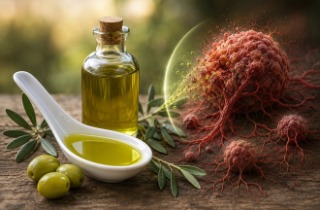
Among the most promising candidates is olive leaf extract, derived from Olea europaea, which is rich in bioactive compounds including oleuropein, hydroxytyrosol, elenolic acid, and oleocanthal. Although there are still no human clinical trials proving effectiveness against Cyclospora cayetanensis, a growing body of laboratory and animal research suggests these compounds possess significant antiparasitic activity against closely related protozoan parasites.
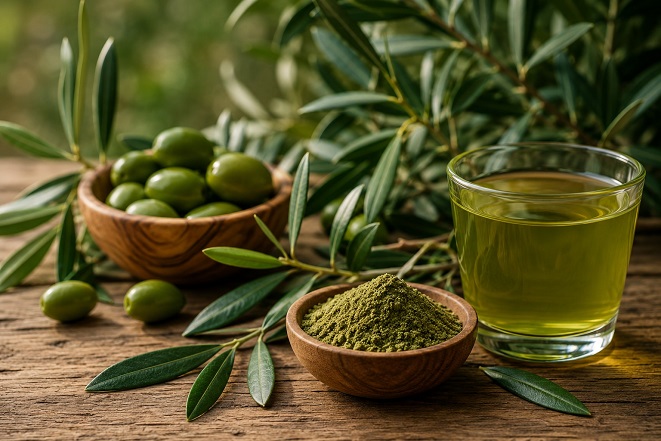 Emerging research suggests olive leaf extract may offer complementary antiparasitic benefits against cyclosporiasis-related
infections, but clinical studies in humans are still needed
This
Thailand Medical News report examines the latest scientific evidence supporting olive leaf extract as a potential preventive and supportive therapeutic option while emphasizing that it is not a substitute for standard medical care.
Why Researchers Are Investigating Olive Leaf Extract
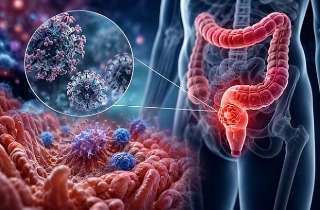
Cyclosporiasis is caused by the microscopic intestinal parasite Cyclospora cayetanensis, which is primarily transmitted through contaminated food and water. Infection often results in prolonged watery diarrhea, abdominal cramps, bloating, nausea, appetite loss, fatigue, and dehydration. Because cultivating Cyclospora in laboratory conditions remains extremely difficult, researchers frequently study closely related apicomplexan parasites such as Cryptosporidium parvum to better understand potential therapeutic approaches.
Olive leaf extract has attracted considerable scientific interest because of its exceptionally high concentration of polyphenolic compounds. Oleuropein, the dominant constituent, is metabolized into hydroxytyrosol and elenolic acid, while oleocanthal contributes potent anti-inflammatory activity. Together, these natural compounds appear to attack parasites through several biological mechanisms simultaneously.
Remarkable Findings from Cryptosporidium Research
Among the strongest evidence comes from animal studies involving neonatal mice infected with Cryptosporidium parvum. Researchers found that treatment with olive leaf extract produced a remarkable 100 percent reduction in parasite oocyst shedding in stool samples after two weeks of therapy. Molecular testing also showed complete elimination of detectable parasite DNA in fecal sampl
es, suggesting substantial suppression of infection.
Scientists observed additional benefits beyond parasite clearance. Treated animals exhibited healthier intestinal tissue with significantly less inflammation and structural damage compared to untreated controls. These improvements indicate that olive leaf extract may not only reduce parasite burden but also accelerate recovery of damaged intestinal lining.
Additional in vivo research combining olive leaf extract with fig (Ficus carica) extract demonstrated even greater therapeutic benefits. Animals receiving the botanical combination experienced significant reductions in parasite shedding while simultaneously showing marked improvements in intestinal architecture and normalization of liver and kidney enzyme levels that had been disrupted during infection.
Multiple Biological Mechanisms May Explain the Benefits
Rather than relying on a single mode of action, olive leaf extract appears to interfere with parasites through multiple complementary pathways.
Laboratory investigations indicate that oleuropein and related biophenols disrupt parasite cell membranes, impairing structural integrity and interfering with essential energy-producing metabolic pathways required for survival.
Another important discovery involves oleocanthal. In vitro studies demonstrate that this naturally occurring phenolic compound significantly inhibits intracellular replication of Cryptosporidium by suppressing the mammalian target of rapamycin (mTOR) signaling pathway. Since parasites depend on this pathway to multiply inside intestinal cells, blocking it may dramatically reduce their ability to establish infection.
Researchers have also shown that olive-derived compounds inhibit microbial biofilm formation and reduce pathogen motility, making it more difficult for microorganisms to colonize host tissues. At the same time, their powerful antioxidant activity helps neutralize oxidative stress generated during parasitic infections, limiting tissue injury and promoting healing.
Evidence Extends Beyond Cryptosporidium
Support for olive leaf extract's antiparasitic properties also comes from studies involving other intestinal protozoa.
In laboratory experiments evaluating Giardia lamblia cysts, olive leaf extract achieved a 37.9 percent fatality rate against the parasite. This performance exceeded both garlic extract, which produced a 22.65 percent fatality rate, and the widely used antiparasitic drug metronidazole, which demonstrated a 28.75 percent fatality rate under identical experimental conditions.
Although Giardia differs biologically from Cyclospora, these findings reinforce the growing view that olive leaf polyphenols possess broad-spectrum antiparasitic activity deserving of further investigation.
Potential Roles in Prevention and Supportive Care
Scientists believe olive leaf extract could potentially provide benefits both before and during infection.
As a preventive measure, its anti-inflammatory properties may help preserve the integrity of the intestinal mucosal barrier by maintaining tight junctions between intestinal cells. A healthier intestinal lining could theoretically make it more difficult for ingested Cyclospora oocysts to invade host tissues. Additionally, its mild antimicrobial activity may help support a balanced gut microbiome that naturally limits pathogen colonization.
During active infection, the extract's antioxidant properties may reduce oxidative stress triggered by parasitic invasion. By scavenging harmful free radicals and enhancing antioxidant enzyme activity, including superoxide dismutase, olive leaf compounds may reduce inflammation, limit intestinal tissue damage, and support recovery while conventional antimicrobial therapy eliminates the parasite.
Standard Medical Treatment Remains Essential
Despite these encouraging findings, researchers strongly caution against replacing established medical therapy with olive leaf supplements.
The recommended first-line treatment for confirmed cyclosporiasis remains trimethoprim-sulfamethoxazole (TMP-SMX), commonly marketed as Bactrim or Septra. Alternative therapies such as ciprofloxacin or nitazoxanide may be considered for patients with sulfonamide allergies, although these alternatives generally demonstrate lower effectiveness against Cyclospora.
Patients should also recognize that severe diarrhea associated with cyclosporiasis can rapidly lead to dehydration requiring prompt medical attention. Furthermore, high-dose olive leaf supplements may interact with blood pressure medications, blood-thinning drugs, and certain other pharmaceuticals, making medical supervision important before incorporating these products into any treatment regimen.
Current scientific evidence indicates that olive leaf extract should be viewed as a promising complementary approach rather than a proven standalone therapy for human cyclosporiasis until well-designed clinical trials become available.
Existing laboratory and animal studies consistently demonstrate potent antiparasitic activity, including complete elimination of Cryptosporidium oocyst shedding in experimental models, improved intestinal healing, suppression of parasite replication through mTOR inhibition, and broad antioxidant protection.
Although these findings cannot yet be directly extrapolated to Cyclospora cayetanensis infections in humans, they provide a compelling scientific rationale for conducting carefully controlled clinical studies. Until such evidence emerges, olive leaf extract should remain an adjunctive strategy used only alongside established medical treatment under professional guidance.
References:
https://www.mdpi.com/2076-0817/14/10/1002
https://www.mdpi.com/2073-4409/10/9/2419
https://www.frontiersin.org/journals/microbiology/articles/10.3389/fmicb.2017.00113/full
https://www.mdpi.com/2218-273X/13/2/238
https://www.frontiersin.org/journals/nutrition/articles/10.3389/fnut.2022.1008349/full
https://link.springer.com/article/10.1007/s12639-015-0650-8
https://www.iomcworld.com/proceedings/the-discovery-of-antiparasitic-benefits-of-olive-leaf-for-goats-infected-with-intestinal-parasites-seeking-novel-strateg-38152.html
https://www.researchgate.net/publication/323315504_Anti-Cryptosporidium_efficacy_of_Olea_europaea_and_Actinidia_deliciosa_in_a_neonatal_mouse_model
For the latest on herbs and phytochemicals, keep on logging to
Thailand Medical News.
Read Also:
https://www.thailandmedical.news/news/u-s-cdc-reports-cyclosporiasis-outbreak-across-17-states-in-america-with-more-than-145-confirmed-infections
https://www.thailandmedical.news/articles/herbs-and-phytochemicals
Medical Disclaimer: All content published by Thailand Medical News is based on scientific research and is intended for informational and educational purposes only. It is not medical advice, diagnosis, or treatment. Readers must not attempt to use, apply, or experiment with any protocols, compounds, or therapies mentioned without first consulting a qualified and licensed medical doctor. Many findings discussed are experimental or preliminary, and only a licensed healthcare professional can determine what is safe and appropriate for an individual’s specific medical condition.




 Share
Share
 Tweet
Tweet
 Share
Share