Researchers from Saudi Arabia Discover Circular RNA Codes That Indicate Breast Cancer Threats
Nikhil Prasad Fact checked by:Thailand Medical News Team Jan 05, 2026 8 months, 4 weeks, 1 day, 23 hours, 59 minutes ago
Medical News: A New Way of Looking at Breast Cancer
Scientists are discovering that breast cancer hides many of its secrets deep inside tiny biological signals that were once ignored. A new study has now uncovered how subtle chemical changes in circular RNA may help explain why some breast cancers are far more aggressive than others. This
Medical News report highlights findings that could one day improve diagnosis and survival prediction, especially for hard-to-treat cases.
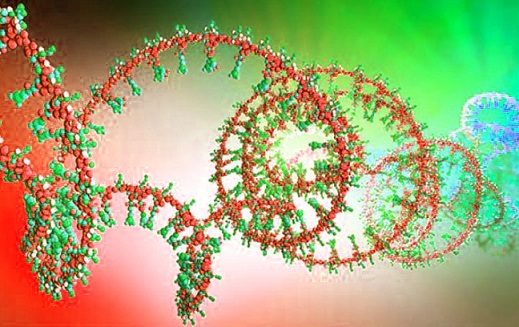 New research reveals hidden circular RNA changes that may explain why some breast cancers
are more deadly than others
The study was carried out by researchers from King Faisal Specialist Hospital and Research Centre in Riyadh-Saudi Arabia, Alfaisal University College of Medicine in Riyadh-Saudi Arabia, and the Cancer Centre of Excellence at King Faisal Specialist Hospital and Research Centre in Saudi Arabia.
Understanding the Problem in Simple Terms
Breast cancer is not one single disease. Some types grow slowly and respond well to treatment, while others spread quickly and resist most therapies. One of the most dangerous forms is triple negative breast cancer. It lacks common treatment targets and often returns after therapy.
Researchers focused on circular RNAs, tiny loops of genetic material that help control how cells behave. These circular RNAs can carry a small chemical tag called m6A methylation. This tag works like a switch, making the RNA more active or more stable.
What the Scientists Found
By studying breast tumor samples, the researchers discovered that aggressive breast cancers show very different m6A patterns on circular RNAs compared to less aggressive forms. Triple negative tumors had unique methylation signatures that were not seen in hormone sensitive cancers.
Several circular RNAs linked to genes such as ZBTB16, DOCK1, METTL8, and VAV3 were heavily modified. These changes were strongly connected to cancer growth, movement of cancer cells, and blood vessel formation. Some of these RNA markers could accurately distinguish aggressive cancers with over 80 percent precision.
Why These Findings Matter
The study also showed that patients with certain RNA methylation patterns had poorer survival rates or higher chances of cancer returning. Others showed better outcomes, suggesting these RNA changes could help predict how a patient’s disease might progress.
Importantly, circular RNAs are very stable and can potentially be detected in blood samples. This means future tests might identify aggressive breast cancers earlier without invasive procedures.
Bigger Implications for Treatment
The findings suggest that cancer behavior is influenced not just by genes, but by how those genes are chemically modified after they are made. Targeting these RNA modifications could open doors to new treatments, especially for patients who curren
tly have limited options.
Conclusion
This study reveals that hidden chemical marks on circular RNA play a powerful role in determining how aggressive breast cancer can become. By uncovering these patterns, researchers have identified promising biomarkers that could improve diagnosis, guide treatment decisions, and help predict patient outcomes. With further validation, these discoveries may reshape how doctors understand and manage the most dangerous forms of breast cancer.
The study findings were published in the peer reviewed International Journal of Molecular Sciences
https://www.mdpi.com/1422-0067/27/1/529
For the latest on breast cancer, keep on logging to Thailand
Medical News.
Read Also:
https://www.thailandmedical.news/articles/cancer




 Share
Share
 Tweet
Tweet
 Share
Share

































