Researchers from City Hospital Zurich Validate That Vitamin C Can Aid in Treating Colon Cancer
Nikhil Prasad Fact checked by:Thailand Medical News Team Feb 18, 2026 6 months, 1 week, 5 days, 13 hours, 50 minutes ago
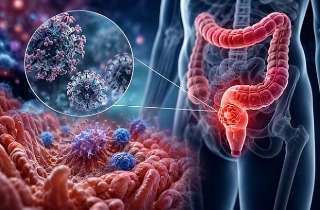
Medical News: Colorectal cancer, which affects the colon or rectum, remains one of the deadliest cancers worldwide. Despite advances in surgery, chemotherapy, and immunotherapy, many patients still face poor survival rates, especially when the disease spreads. Now, new scientific insights suggest that high-dose vitamin C could play an important role in improving cancer treatment outcomes.
 High-dose vitamin C shows potential to weaken and kill colorectal cancer cells while boosting treatment effectiveness
Researchers from City Hospital Zurich, specifically from its Department of Visceral, Thoracic and Vascular Surgery in Switzerland, have reviewed decades of laboratory and clinical research to better understand how vitamin C may help fight colorectal cancer.
Why Colorectal Cancer Is Still Difficult to Treat
Colorectal cancer is among the most common cancers globally, with millions of new cases diagnosed each year. One major challenge is that about 20 percent of patients already have cancer that has spread to distant organs when first diagnosed. In such advanced cases, survival rates can drop to as low as 15 percent over five years. Risk factors include smoking, unhealthy diets, obesity, lack of exercise, alcohol use, and genetic predisposition. Even with modern treatments such as targeted therapies and immunotherapy, doctors are still searching for safer and more effective treatment strategies.
This
Medical News report highlights growing scientific interest in vitamin C as a possible anti-cancer therapy. Vitamin C, also known as ascorbic acid, is an essential nutrient found in fruits and vegetables. While it is widely known for boosting immunity, researchers have discovered that it can also affect cancer cells in unique and powerful ways.
How Vitamin C Can Kill Cancer Cells
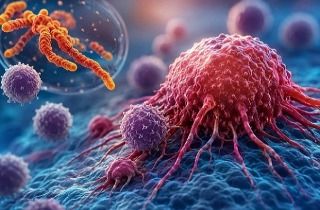
Scientists found that high doses of vitamin C can selectively harm cancer cells while leaving healthy cells mostly unharmed. This happens through a process involving oxidative stress. At very high concentrations, vitamin C produces molecules called reactive oxygen species, which can damage and kill cancer cells. Interestingly, cancer cells often absorb vitamin C faster than normal cells due to differences in their metabolism, making them more vulnerable.
Another key discovery involves cancer cells carrying specific genetic mutations, such as KRAS or BRAF mutations. These mutations are common in colorectal cancer and make cancer cells heavily dependent on sugar for energy. Vitamin C disrupts this energy production process by blocking key enzymes and depleting energy stores, leading to cancer cell death. Researchers observed that vitamin C significantly reduced tumor growth and increased cancer cell death in laboratory experiments and animal studies.
Vitamin C Also Enhances Other Cancer Treatments
The research also showed that vitamin C can improve the effectiveness of other treatments, including chemotherapy, targeted drugs, and immunotherapy. By weakening cancer cells and i
ncreasing oxidative stress, vitamin C makes these cells more sensitive to standard treatments. Additionally, vitamin C can suppress tumor growth signals, reduce blood vessel formation that feeds tumors, and even prevent cancer spread in experimental models.
Another important finding is that vitamin C must be given intravenously, not orally, to reach the high concentrations needed to affect tumors. Oral vitamin C supplements cannot achieve these levels because the body tightly controls absorption through the digestive system.
Why Clinical Results Have Been Mixed
Despite strong laboratory evidence, results in human patients have been less consistent. One reason is that not all patients respond equally. Scientists now believe that identifying patients with specific genetic mutations or tumor characteristics may help improve success rates. The timing, dosage, and method of vitamin C delivery also appear to be critical factors.
Conclusion
Overall, the findings suggest that vitamin C holds real promise as a supportive therapy in colorectal cancer, especially for patients with certain genetic mutations. However, it is not a miracle cure and cannot replace existing treatments at this stage. Instead, vitamin C may work best when used alongside conventional therapies to improve effectiveness and outcomes. Further clinical trials are urgently needed to determine the safest doses, identify the patients most likely to benefit, and confirm long-term effectiveness. With proper research and careful patient selection, vitamin C could eventually become a valuable addition to modern cancer treatment strategies.
The study findings were published in the peer reviewed journal: Cancers.
https://www.mdpi.com/2072-6694/18/4/654
For the latest cancer research, keep on logging to Thailand
Medical News.
Read Also:
https://www.thailandmedical.news/articles/cancer




 Share
Share
 Tweet
Tweet
 Share
Share