Nikhil Prasad Fact checked by:Thailand Medical News Team May 17, 2026 3 months, 2 weeks, 2 days, 10 hours, 49 minutes ago
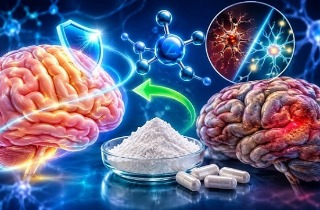
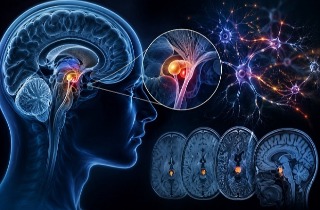
Medical News: Researchers from the Department of Medical Biology and Genetics at the Faculty of Medicine, Gazi University in Ankara, Türkiye, have uncovered promising evidence that a saffron phytochemical compound called safranal could help protect brain cells linked to Parkinson’s disease. Their new laboratory study suggests that combining safranal with the commonly used Parkinson’s drug levodopa may provide stronger protection for damaged nerve cells while also improving genes linked to the body’s internal clock.
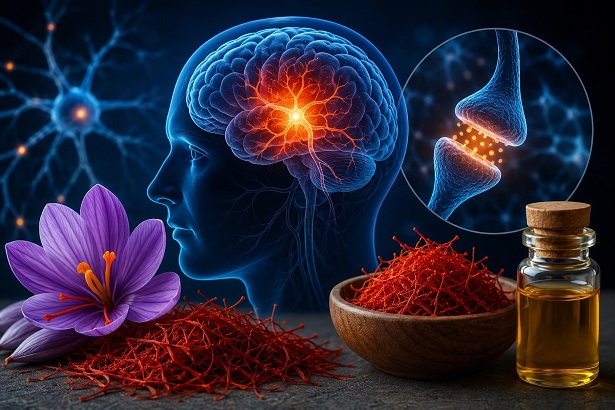 Scientists discover saffron-derived safranal may protect brain cells and improve body clock genes linked to
Parkinson’s disease
Parkinson’s disease is a progressive brain disorder that affects movement, balance, sleep, and mood. It develops when dopamine-producing nerve cells gradually die off. While levodopa remains the gold standard treatment, long-term use often causes troubling side effects such as involuntary movements and fluctuating symptom control. Scientists worldwide are now searching for safer add-on therapies that may slow nerve cell damage itself.
Saffron Shows Unexpected Brain Benefits
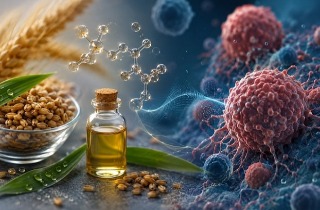
Safranal is a phytochemical found in saffron, the prized spice commonly used in cooking and traditional medicine. Previous research hinted at its antioxidant and anti-inflammatory powers, but this new study explored whether it could directly protect dopamine-related brain cells from toxic injury.
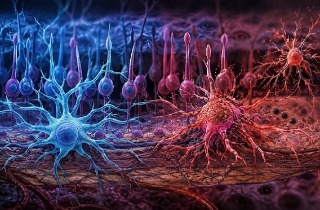
To investigate this, scientists exposed human SH-SY5Y nerve cells to a toxic chemical called 6-OHDA, which is widely used to mimic Parkinson’s-like damage in laboratory experiments. The toxin severely reduced cell survival, damaged mitochondria, triggered cell death pathways, and disrupted important circadian rhythm genes that regulate the body clock.
The researchers then treated the cells with levodopa, safranal, or a combination of both.
Combination Therapy Produced Stronger Protection
One of the most important findings was that low and moderate doses of safranal significantly improved cell survival after toxin exposure. When safranal was combined with levodopa, the protective effect became even stronger.
The study found that the combination reduced cellular toxicity, improved mitochondrial membrane potential, and lowered levels of caspase-3/7, a major marker associated with programmed cell death. The best effects were seen when levodopa was paired with moderate doses of safranal.
Scientists also discovered evidence of a synergistic effect, meaning the two compounds worked better together than separately in many conditions.
This
Medical News report highlights that the combined treatment nearly restored some damaged cells to normal conditions during several experiments, suggesting that safranal may enhance the effectiveness of traditional Parkinson’s therapy.
Possible Link to Better Sleep and Circadian Rhythm
gt;
Another remarkable aspect of the study involved circadian rhythm genes. Parkinson’s disease is increasingly linked to disturbances in sleep cycles and biological timing systems. Patients often suffer from insomnia, fragmented sleep, daytime fatigue, and worsening nighttime symptoms.
The researchers found that toxic exposure sharply reduced activity in several important clock genes, including PER1, CLOCK, BMAL1, and CRY1. However, treatment with safranal—especially when combined with levodopa—partially restored these genes.
This suggests the saffron compound might help stabilize biological rhythms that are often disrupted in Parkinson’s disease. Scientists believe this effect could eventually have broader implications for sleep quality, mood regulation, and overall neurological health.
Scientists Warn About Dose Levels
Despite the encouraging results, researchers also observed that very high doses of safranal became harmful to cells. Likewise, excessive levodopa concentrations increased oxidative stress. This means the protective benefits appear to exist only within a specific therapeutic range.
The study emphasized that carefully balanced dosing will be essential in future research.
Importantly, the investigation was conducted only in laboratory-grown cells and not in animals or human patients. More advanced studies are still needed before safranal could ever be considered for clinical use.
Conclusions
The findings suggest that safranal could become an important future partner to levodopa therapy for Parkinson’s disease. By simultaneously protecting mitochondria, reducing oxidative stress, suppressing cell death signals, and partially restoring circadian rhythm gene activity, the saffron-derived compound demonstrated multiple layers of neuroprotective activity. Researchers believe this multi-target approach may eventually help reduce ongoing nerve degeneration associated with Parkinson’s disease. However, the results remain preliminary, and large-scale animal and human studies are still required to determine long-term safety, effectiveness, and ideal dosing strategies before any medical recommendations can be made.
The study findings were published in the peer reviewed journal: Pharmaceuticals.
https://www.mdpi.com/1424-8247/19/5/773
For the latest on Parkinson’s disease, keep on logging to Thailand Medical News.
Read Also:
https://www.thailandmedical.news/articles/alzheimer,-dementia-
https://www.thailandmedical.news/articles/herbs-and-phytochemicals




 Share
Share
 Tweet
Tweet
 Share
Share