Excessive Antioxidant Intake by Men Before Conception Can Affect the Health and Development of Their Future Children
Nikhil Prasad Fact checked by:Thailand Medical News Team Feb 05, 2026 5 months, 2 weeks, 4 days, 9 hours, 52 minutes ago
Medical News: High-dose antioxidants linked to offspring birth defects
Antioxidant supplements have long been promoted as simple, almost universal solutions for better health. From claims of slowing ageing to preventing chronic disease and improving fertility, these products are widely consumed, often without medical supervision. However, new research is now raising serious questions about whether taking high doses of antioxidants before conception is always safe, particularly for men planning to have children. A detailed study conducted by researchers from the Texas A&M College of Veterinary Medicine and Biomedical Sciences in the United States suggests that excessive antioxidant intake in fathers can subtly but significantly affect the physical development of their offspring.
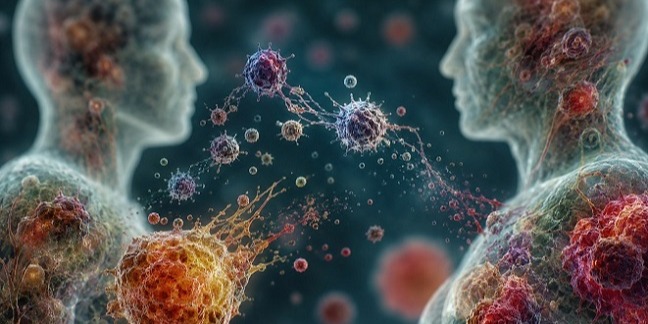
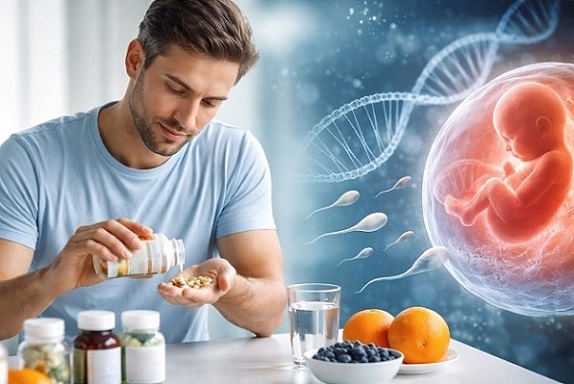 New research shows that high-dose antioxidant supplements taken by men before conception may subtly
alter facial development in their future children.
A closer look at antioxidants and male fertility
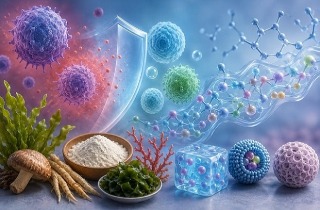
Antioxidants are substances that help neutralize harmful molecules known as reactive oxygen species. These molecules can damage cells, DNA, and tissues when present in excess, a condition referred to as oxidative stress. Because oxidative stress is known to impair sperm quality, antioxidant supplements such as N-acetyl-L-cysteine (NAC) and selenium are commonly prescribed or self-administered by men seeking to improve fertility.
The research team, led by Dr. Michael Golding, Professor in the Department of Veterinary Physiology and Pharmacology at Texas A&M University, set out to explore whether these antioxidants might have unintended consequences when used by otherwise healthy males. This
Medical News report focuses on findings that suggest more is not always better when it comes to antioxidant intake.
How the study was conducted
The study, published in the peer-reviewed journal Frontiers in Cell and Developmental Biology, used a well-established mouse model to examine paternal effects on offspring development. Adult male mice from the C57BL/6J strain were given a six-week preconception regimen of NAC and selenium. These males were then mated with females that had not received any treatment.
Importantly, the antioxidant exposure did not appear to affect the overall health, body weight, or metabolic markers of the male mice. This allowed researchers to isolate the effects of antioxidant supplementation on sperm and, subsequently, on offspring development.
Advanced imaging techniques, including micro-computed tomography (micro-CT) and geometric morphometric analysis, were used to examine the skulls and facial structures of the offspring in detail. Placental tissues were also studied to assess subtle changes in fetal development.
Unexpected changes in offspring development
One of the most striking findings was that offspring born to antioxidant-exposed fathers showed measurable differences in craniofacial structure. Both male and female offspring exhi
bited changes in facial shape, but the effects were particularly pronounced in females. These included reduced spacing between the eyes and a smaller overall head area.
Such features are noteworthy because similar craniofacial patterns are often observed in conditions linked to altered brain development, including fetal alcohol spectrum disorders. While the offspring in this study were not exposed to alcohol, the resemblance raised concerns about how early developmental programming may be influenced by paternal factors alone.
Interestingly, these changes occurred without any observable deterioration in paternal health. This suggests that alterations in sperm DNA or epigenetic markers, rather than overt illness in the father, may be responsible for transmitting these effects.
What facial changes may signal about brain health
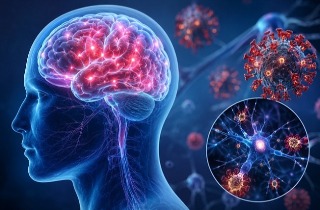
There is a long-standing principle in developmental medicine that the face and brain develop together during early pregnancy. According to Dr. Golding, disruptions in facial symmetry or midline development can sometimes reflect underlying changes in brain structure.
The researchers caution that while craniofacial differences do not automatically mean neurological problems, they can be early indicators of altered brain development. Issues such as impulse control difficulties, seizure disorders, or learning challenges are often associated with midline brain abnormalities. Whether such outcomes will emerge in the offspring studied remains unknown and will require long-term follow-up.
The role of oxidative balance and epigenetics
At the heart of this research is the concept of redox balance, the delicate equilibrium between oxidative stress and antioxidant defences in the body. While antioxidants are beneficial when oxidative stress is present, disrupting this balance in healthy individuals may interfere with normal biological signalling.
Oxidative stress plays a key role in shaping the epigenome, the system of chemical markers that regulate gene activity without changing the DNA sequence itself. Changes in DNA methylation, histone modifications, and non-coding RNAs in sperm can influence how genes are expressed in the developing embryo.
Previous work from the same research group has shown that paternal alcohol exposure can alter sperm epigenetics and lead to developmental defects in offspring. The current study suggests that excessive antioxidant use may produce similar epigenetic disturbances, even in the absence of an obvious stressor.
Why dose and context matter
NAC and selenium were chosen for this study because they are widely used and have known biological effects. NAC supports the production of glutathione, one of the body’s most important antioxidants, while selenium is essential for antioxidant enzymes such as glutathione peroxidases.
Although the doses used in mice were higher than typical human supplementation levels, researchers note that mice metabolize NAC much faster than humans. Importantly, many over-the-counter supplements provide antioxidant levels far exceeding 100 percent of recommended daily allowances, sometimes reaching 1,000 percent or more.
Evidence from other studies has already shown that high-dose antioxidants can blunt beneficial adaptations to exercise and impair metabolic function in healthy individuals. This research adds reproductive health and offspring development to the list of potential concerns.
Limitations and unanswered questions
The researchers acknowledge several limitations. The study used a combination of NAC and selenium, along with a small amount of stevia to improve palatability, making it difficult to pinpoint the effects of individual components. The mouse model, while informative, may not fully reflect human reproductive biology. Additionally, the study focused on fetal and placental outcomes, leaving long-term health effects unexplored.
Crucially, while epigenetic mechanisms are strongly suspected, the study did not directly measure changes in sperm DNA methylation or other epigenetic markers. Future research will aim to address these gaps and determine whether similar effects occur in humans.
Conclusion
This study adds to a growing body of evidence suggesting that indiscriminate use of antioxidant supplements is not without risk. While antioxidants can be beneficial in specific medical contexts, their routine use by healthy men, particularly at high doses, may disrupt normal reproductive biology and influence the development of future children. The findings underscore the importance of balance and caution, especially during the preconception period. Men planning to start families should be mindful that supplements marketed as harmless wellness boosters may carry hidden consequences. These results highlight the need for better public awareness, clearer supplement labelling, and informed medical guidance when it comes to antioxidant use before conception.
The study findings were published in the peer reviewed journal: Frontiers in Cell and Developmental Biology.
https://www.frontiersin.org/journals/cell-and-developmental-biology/articles/10.3389/fcell.2025.1697843/full
For the latest on antioxidants, keep on logging to Thailand
Medical News.
Read Also:
https://www.thailandmedical.news/articles/supplements
https://www.thailandmedical.news/articles/reproductive-medicine




 Share
Share
 Tweet
Tweet
 Share
Share