Scientists Discover That Severe COVID-19 Survivors Have Persistent Cancer-Linked Gene Activation!
Nikhil Prasad Fact checked by:Thailand Medical News Team Jan 01, 2026 9 months, 3 days, 1 hour, 45 minutes ago
Medical News: A Troubling Discovery After Recovery
Scientists have uncovered worrying biological changes in people who survived severe COVID-19, long after the infection itself had passed. This new research suggests that some survivors may carry lingering genetic activity linked to cancer risk, even one year after recovery. The findings raise important questions about long-term health monitoring for those who experienced the most serious forms of the disease.
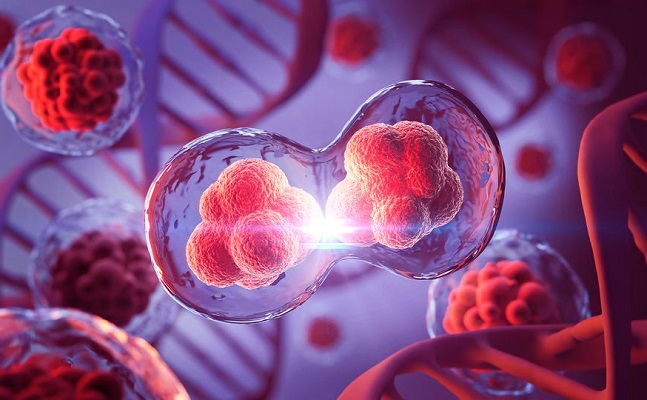 Study finds long lasting cancer linked gene activity in survivors of severe COVID-19
This
Medical News report is based on an extensive international study that analyzed blood samples from COVID-19 survivors and compared them with samples from healthy individuals who were never infected.
Who Conducted the Research
The study was carried out by researchers from multiple respected institutions in Türkiye, including Cukurova University, Koc University Research Center for Translational Medicine, Istanbul University, Gazi University, Kocaeli University, Duzce University, Gaziantep University, and several major teaching hospitals and medical faculties across the country. The collaboration brought together experts in pulmonary medicine, biology, immunology, infectious diseases, and biostatistics.
What the Scientists Studied
Researchers focused on a type of immune cell found in blood, known as peripheral blood mononuclear cells. These cells play a key role in fighting infections and regulating inflammation. Using advanced genetic sequencing techniques, the team examined how genes inside these cells behaved one year after COVID-19 infection.
Participants were divided into three groups. One group included healthy people who never had COVID-19. The second group included people who had COVID-19 but no pneumonia. The third group included survivors who had severe COVID-19 pneumonia.
Key Findings Explained Simply
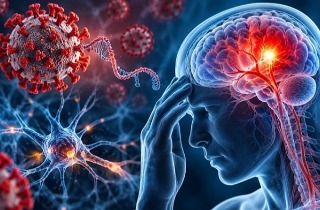
The most striking discovery was that people who survived severe COVID-19 showed long lasting activation of genes commonly linked to cancer development. These genes were involved in processes such as preventing damaged cells from dying, promoting inflammation, and encouraging abnormal cell growth.
Scientists identified several important genes acting as control hubs. Among them were genes known as JUN, EGR1, NOTCH1, and a particularly important one called SQSTM1 or P62. This gene is linked to inflammation, cell survival, and cancer progression. In severe COVID-19 survivors, this gene remained unusually active.
The study also found that these gene patterns were associated with poorer outcomes in certain cancers, including bladder cancer, brain tumors, and adrenal gland cancers. This does not mean COVID-19 directly causes cancer, but it suggests the infection may create conditions in the body that help cancer grow or return.
Why This Matters for Survivors
Severe COVID-19
appears to leave behind a kind of biological memory in the immune system. Instead of returning to normal, the immune cells stay in an activated state that resembles what scientists see in cancer promoting environments. This could explain why doctors are increasingly concerned about long-term complications after COVID-19, beyond breathing problems or fatigue.
Conclusions and Medical Implications
The findings strongly suggest that severe COVID-19 can cause lasting changes in the immune system that may increase vulnerability to cancer development or recurrence. While not everyone who had severe COVID-19 will develop cancer, the persistence of cancer related gene activity highlights the urgent need for long-term medical follow-up. Regular monitoring, early screening, and awareness could help doctors detect potential problems earlier and improve outcomes for survivors.
The study findings were published in the peer reviewed journal: Viruses
https://www.mdpi.com/1999-4915/17/12/1608
For the latest COVID-19 News, keep on logging to Thailand
Medical News.
Read Also:
https://www.thailandmedical.news/articles/coronavirus
https://www.thailandmedical.news/articles/long-covid
https://www.thailandmedical.news/articles/cancer




 Share
Share
 Tweet
Tweet
 Share
Share