Nikhil Prasad Fact checked by:Thailand Medical News Team Feb 10, 2026 6 months, 2 weeks, 6 days, 19 hours, 57 minutes ago
Medical News: Chronic oxidative stress has long been recognized as a hidden driver of immune damage in people living with HIV. Now, a comprehensive new scientific review suggests that restoring a natural antioxidant called glutathione may help strengthen immunity, reduce inflammation, and support long term health in both HIV infection and HIV tuberculosis co infection.
 Glutathione boosting therapies may help restore immune strength and reduce hidden inflammation in people living with HIV
Why Glutathione Matters in HIV
Glutathione boosting therapies may help restore immune strength and reduce hidden inflammation in people living with HIV
Why Glutathione Matters in HIV
Glutathione is a powerful antioxidant made naturally inside the body. It protects cells from damage, supports immune defenses, and helps maintain healthy energy production. Researchers have consistently found that people with HIV have significantly lower glutathione levels, even when they are taking effective antiretroviral therapy. This shortage leaves immune cells more vulnerable to damage and weakens the body’s ability to fight infections.
According to this
Medical News report, low glutathione is not just a side effect of HIV but a key factor contributing to chronic inflammation, immune exhaustion, and higher risk of complications.
What the Researchers Studied
The review was conducted by scientists from the College of Osteopathic Medicine of the Pacific at Western University of Health Sciences in Pomona California, and the Department of Biochemistry and Chemistry at The College of UCLA in Los Angeles. The team analyzed data from laboratory research, clinical trials, and human studies examining glutathione supplementation and related nutrients such as N-acetylcysteine and GlyNAC.
Key Findings Explained Simply
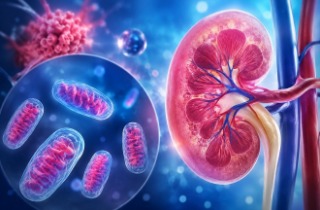
The researchers found strong evidence that boosting glutathione levels can improve immune cell function, reduce harmful oxidative stress, and support mitochondrial health, which is essential for energy and cell survival.
Supplementation approaches helped immune cells work more efficiently and reduced markers of inflammation that remain high in many HIV patients despite viral suppression.
In people with HIV and tuberculosis co infection, the benefits may be even greater. Tuberculosis adds extra inflammatory stress, rapidly depleting glutathione stores. Studies reviewed showed that glutathione boosting strategies were safe and helped lower oxidative damage without interfering with HIV or TB medications.
Safety and Practical Benefits
One important finding was safety. Across multiple studies, glutathione supplements and precursors were generally well tolerated. Mild stomach discomfort was the most common side effect, while serious reactions were rare. Importantly, these supplements did not reduce the effectiveness of antiretroviral or tuberculosis drugs.
What This Means for Patients
While glutathione supplements are not a cure, the evidence suggests they may serve as a useful add on to standard HIV treatment.
By addressing oxidative stress directly, these therapies could help improve immune resilience, reduce long term complications, and possibly improve quality of life.
Conclusions
Overall, the review highlights glutathione deficiency as a persistent and meaningful problem in HIV and HIV tuberculosis co infection. Restoring glutathione levels appears to support immune balance, reduce inflammation, and improve cellular health. Although larger long-term studies are still needed, the findings point toward glutathione centered therapies as a promising supportive strategy that could complement existing treatments and address unmet needs in HIV care.
The study findings were published in the peer reviewed journal: Nutrients.
https://www.mdpi.com/2072-6643/18/4/571
For the latest on HIV, keep on logging to Thailand
Medical News.
Read Also:
https://www.thailandmedical.news/articles/hiv-aids




 Share
Share
 Tweet
Tweet
 Share
Share