Colorado Study Finds That Intermittent Fasting May Calm Autoimmune Diseases Naturally
Nikhil Prasad Fact checked by:Thailand Medical News Team Dec 14, 2025 9 months, 2 weeks, 6 days, 22 hours, 38 minutes ago
Medical News: Autoimmune diseases affect millions of people worldwide and occur when the body’s immune system mistakenly attacks its own tissues. Conditions such as rheumatoid arthritis, lupus, type 1 diabetes, inflammatory bowel disease, and multiple sclerosis can lead to lifelong symptoms, organ damage, and reduced quality of life. While medications remain the main form of treatment, new research suggests that a simple dietary approach may help reduce disease activity and inflammation.
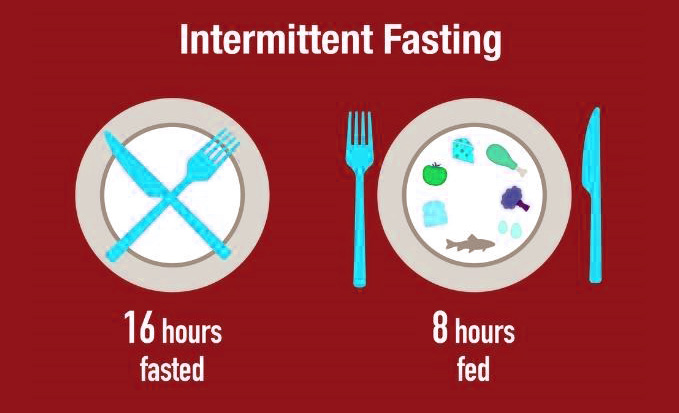 A growing body of research suggests that intermittent fasting could help reduce inflammation and improve symptoms in
autoimmune diseases when used carefully under medical guidance
A recent study review by researchers from the College of Osteopathic Medicine and the Department of Biomedical Sciences at Rocky Vista University in Colorado explored the growing scientific evidence linking intermittent fasting to improvements in autoimmune diseases.
Intermittent fasting refers to eating only during certain time windows or on specific days, followed by planned periods of little or no calorie intake.
Why inflammation drives autoimmune disease
In healthy individuals, the immune system has safeguards that prevent it from attacking the body. In autoimmune disease, these safeguards fail. This leads to chronic inflammation driven by immune cells and chemical messengers such as interleukin 6, tumor necrosis factor alpha, and C reactive protein. Over time, this constant inflammation damages joints, intestines, nerves, or organs, depending on the condition.
Modern treatments aim to suppress these inflammatory pathways, but they often come with side effects and long-term risks. This has led scientists to explore whether lifestyle changes could safely support existing therapies.
How intermittent fasting affects the immune system
According to the review, intermittent fasting appears to influence several immune pathways linked to autoimmune disease. Fasting reduces levels of inflammatory chemicals while increasing anti-inflammatory signals. It also improves the balance between aggressive immune cells and regulatory cells that normally keep immune reactions under control.
The researchers found that fasting activates a natural cell cleanup process called autophagy. This process helps remove damaged cells and faulty immune components, allowing the immune system to reset and function more normally. Fasting also lowers levels of leptin, a hormone linked to inflammation and autoimmune flare ups.
Evidence across multiple autoimmune conditions
Studies reviewed by the study team showed promising results across several diseases. In rheumatoid arthritis, fasting was linked to reduced joint pain, stiffness, and lower inflammation markers. Inflammatory bowel disease patients experienced fewer symptoms and improved gut health, partly due to healthier gut bacteria.
In multiple sclerosis, both animal and early human studies found reduced nerve inflammation, improved mobility, and better quality of life. For type 1 diabetes, fasting improved blood sugar control and reduced inflammatory
signals, though careful medical supervision is required.
These findings suggest that intermittent fasting may act as a supportive strategy alongside standard treatments, not a replacement. As this
Medical News report highlights, most evidence so far comes from short term or small studies, meaning larger long-term trials are still needed.
Important cautions and medical guidance
The review also stresses that intermittent fasting is not suitable for everyone. People with diabetes, eating disorders, pregnancy, or advanced age may face risks such as low blood sugar, dizziness, or nutrient deficiencies. Medical supervision is essential before starting any fasting routine, especially for those with chronic illness.
What this means for patients
In conclusion, intermittent fasting shows real potential as a natural way to reduce inflammation and ease symptoms in several autoimmune diseases. By calming overactive immune responses, improving gut health, and supporting cellular repair, fasting may enhance quality of life when used carefully alongside medical care. However, long term safety, ideal fasting schedules, and interactions with medications must be clarified through further human research before widespread adoption.
The study findings were published in the peer reviewed journal: Immuno.
https://www.mdpi.com/2673-5601/5/4/60
For the latest on Intermittent fasting and its benefits, keep on logging to Thailand
Medical News.
Read Also:
https://www.thailandmedical.news/articles/diets-and-nutrition




 Share
Share
 Tweet
Tweet
 Share
Share

































