Nikhil Prasad Fact checked by:Thailand Medical News Team May 12, 2026 3 months, 3 weeks, 22 hours, 13 minutes ago
Medical News: A virus once believed to affect only the lungs is now raising concerns among neurologists after researchers found growing evidence that Human Metapneumovirus, or HMPV, may also attack the brain and nervous system. Scientists are warning that the common respiratory virus could trigger dangerous complications including seizures, encephalitis, brain inflammation, and long-term cognitive problems in both children and adults.
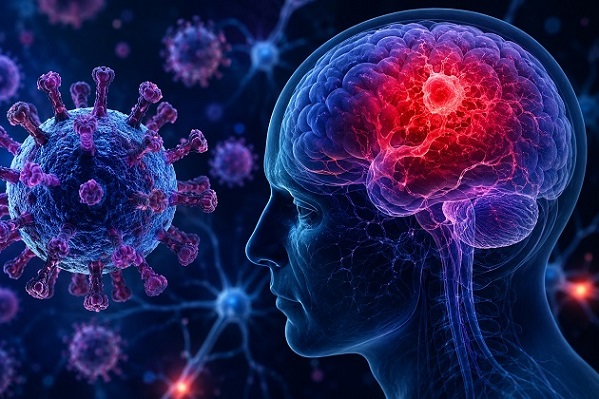 Scientists warn that the common HMPV respiratory virus may also trigger dangerous brain inflammation, seizures,
and long-term neurological damage
Researchers from the Shahid Beheshti University of Medical Sciences in Tehran, Tehran University of Medical Sciences, Semnan University of Medical Sciences, and Shiraz University of Medical Sciences in Iran conducted the extensive review that analyzed clinical reports and experimental studies involving HMPV-related neurological complications.
A Common Virus with Hidden Dangers
HMPV is a respiratory virus first identified in 2001, but experts now believe it has circulated in humans for decades. It is especially common in infants, older adults, and people with weakened immune systems. The virus is known to cause bronchiolitis, pneumonia, wheezing, and severe respiratory infections.
What shocked researchers, however, is the increasing evidence that HMPV may also invade the central nervous system.
The review found reports linking the virus to encephalitis, encephalopathy, seizures, status epilepticus, and even hypoxic brain injuries caused by severe oxygen deprivation. Some patients developed altered mental states, confusion, delirium, and loss of consciousness.
Children appear to be the most vulnerable. In one group of pediatric encephalitis cases linked to HMPV, nearly all the children experienced seizures.
How The Virus May Reach the Brain
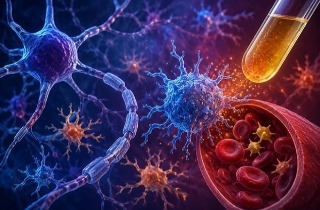
Scientists believe the virus may damage the brain through several pathways. One possible route is direct invasion of the nervous system after entering the bloodstream. Another involves disruption of the blood-brain barrier, which normally protects the brain from harmful substances.
The study also highlighted the role of a dangerous “cytokine storm,” where the immune system overreacts and floods the body with inflammatory chemicals. These inflammatory molecules may leak into the brain and trigger swelling and neurological damage.
Researchers observed elevated levels of inflammatory substances such as IL-6, TNF-alpha, and interferon-gamma in experimental models. These chemicals are already known to contribute to neurological injury in other viral diseases.
The review also suggested that HMPV may trigger autoimmune reactions through a process called molecular mimicry, where the immune system mistakenly attacks healthy brain tissue after confusing it with viral proteins.
Brain Damage May Continue After Infection
One of the most troubling findings was evidence that neurological effects may continue long after respiratory symptoms disappear.
Animal studies showed persistent cognitive and behavioral abnormalities even after recovery from acute infection. Researchers warned that prolonged inflammation could interfere with brain signaling, memory, learning ability, and emotional regulation.
This
Medical News report highlights growing fears that HMPV may be an underrecognized cause of long-term neurological complications, especially in children whose brains are still developing.
The researchers also warned that severe HMPV infections can reduce oxygen supply to the brain. In critically ill children, this lack of oxygen may cause ischemic brain injury, permanent neuronal damage, and developmental problems.
Diagnosing HMPV Brain Infections Is Difficult
Doctors face major challenges diagnosing neurological complications linked to HMPV because symptoms often resemble those caused by influenza, RSV, herpes viruses, COVID-19, and autoimmune brain disorders.
The review emphasized that diagnosis requires multiple approaches including PCR testing, cerebrospinal fluid analysis, MRI brain scans, EEG monitoring, and blood tests.
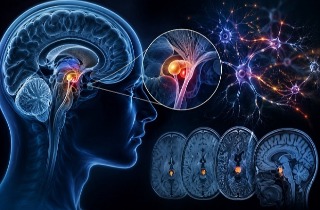
In some reported cases, viral RNA from HMPV was even detected in cerebrospinal fluid and brain tissue, strongly supporting the possibility of direct brain invasion. MRI scans in certain patients revealed white matter abnormalities and signs of inflammation, though some patients showed normal scans during early stages of illness.
No Approved Treatments Yet
Despite the growing concern, there are still no approved antiviral drugs or vaccines specifically for HMPV.
Doctors currently rely mainly on supportive care such as oxygen therapy, seizure control medications, ventilation support, and intensive care monitoring. Experimental therapies including ribavirin, intravenous immunoglobulin, monoclonal antibodies, and anti-inflammatory treatments are being investigated, but evidence remains limited.
Conclusions
The findings strongly suggest that HMPV is far more dangerous than previously believed. Rather than being just another seasonal respiratory virus, it may possess significant neuroinvasive abilities capable of damaging the brain through inflammation, oxygen deprivation, immune dysfunction, and direct viral attack.
The growing number of neurological cases linked to HMPV indicates that doctors should begin screening for the virus in patients with unexplained seizures, encephalitis, or altered mental status. Researchers stressed that greater awareness, faster diagnosis, and urgent development of targeted treatments and vaccines are now critical to reducing the potentially devastating neurological burden associated with this increasingly concerning virus.
The study findings were published in the peer reviewed journal: Heliyon.
https://www.sciencedirect.com/science/article/pii/S2405844026005128
For the latest on HMPV, keep on logging to Thailand
Medical News.
Read Also:
https://www.thailandmedical.news/articles/hmpv-human-metapneumovirus




 Share
Share
 Tweet
Tweet
 Share
Share